
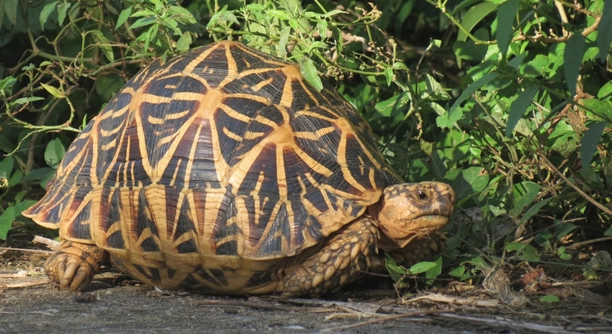
Stress in Indian Star Tortoises can affect their overall well-being, making it crucial to recognize early signs. Observing their behavior and physical changes can help in identifying stress before it becomes more serious.
Indian Star Tortoises may show stress through various physical and behavioral signs. These include changes in eating habits, irregular movements, hiding more frequently, and shell abnormalities. It’s important to monitor their environment and health to detect any early indicators of stress.
Understanding stress signs in tortoises can help you manage their environment better. Keep reading to learn how to spot these stress indicators early and ensure your tortoise stays healthy and happy.
Changes in Eating Habits
One of the first signs that your Indian Star Tortoise may be stressed is a change in eating habits. Stress can cause them to eat less or even stop eating entirely. They may also become more picky with their food. This lack of appetite can be a result of environmental stressors like temperature changes, improper lighting, or a crowded habitat. If you notice your tortoise ignoring food, it’s essential to review their environment and ensure it’s comfortable.
It’s also important to watch for changes in their regular feeding routine. Sometimes, stress can cause them to eat more than usual. This could be a sign of discomfort or anxiety, signaling the need for closer observation and adjustments to their surroundings.
Regular feeding patterns are crucial for maintaining the health of your tortoise. By paying attention to what they’re eating, how much, and when, you can catch signs of stress early. Avoid making sudden changes to their diet as this can also contribute to stress.
Behavioral Changes
Stress can also manifest in unusual behaviors. If your tortoise is hiding more than usual or showing a lack of interest in exploring its surroundings, stress may be the cause. When stressed, they tend to retreat into their shells more frequently. This behavior is natural to some extent, but when it becomes excessive, it’s a red flag.
Another sign of stress is a more aggressive or nervous response to handling. If they’re usually calm but suddenly become skittish, it could be due to discomfort in their environment or health issues. Stress-induced changes in behavior are often linked to habitat problems like poor lighting, humidity, or temperature imbalances.
By keeping track of your tortoise’s normal habits, you’ll be able to spot these shifts quickly. Adjustments to their habitat, such as improving lighting or space, might help alleviate their stress. Maintaining a stable environment is key to a happy tortoise.
Shell Abnormalities
Shell issues can also be a clear indication of stress in Indian Star Tortoises. When stressed, they might develop soft spots, cracks, or even abnormal growth patterns. A stressed tortoise’s shell may start to show signs of dehydration or malnutrition, both of which can worsen over time.
If you notice any irregularities in the shape or texture of your tortoise’s shell, it’s crucial to adjust their living conditions immediately. Stress can be a result of an improper diet, too much handling, or environmental stressors like fluctuating temperatures. Correcting these factors may help restore the health of the shell. It’s important to consult a veterinarian for severe shell issues, as this can affect your tortoise’s overall health.
Regularly checking for shell changes and maintaining proper care will help avoid complications. Be mindful of temperature, humidity, and lighting levels, as well as their diet. A stressed tortoise often shows physical signs of distress that need prompt attention.
Hiding Behavior
Indian Star Tortoises are naturally shy creatures, but stress can lead them to hide more than usual. Excessive hiding may indicate that they feel unsafe or threatened in their environment. If your tortoise spends more time under rocks or in corners, it’s a sign that something is wrong.
This behavior can often be linked to environmental factors like poor temperature regulation, too much noise, or inadequate space. To help reduce hiding, ensure your tortoise’s habitat is quiet, safe, and large enough for them to roam. Providing plenty of hideaways in their enclosure can also help them feel secure without overdoing it.
Stress-induced hiding can sometimes be resolved by simply offering more privacy or by adjusting their enclosure’s layout. Make sure the tortoise has options to explore and hide comfortably without feeling trapped. Addressing these factors will promote a healthier and less anxious tortoise.
Irregular Movements
When a tortoise is stressed, it may exhibit irregular movements such as pacing, erratic walking, or excessive twitching. These behaviors are signs of anxiety or discomfort. It’s important to monitor any sudden changes in how they move or their activity levels.
Stress can disrupt their usual patterns of movement, making them seem restless or disoriented. This could be caused by an uncomfortable environment or sudden changes to their habitat. A stable, familiar setting will help your tortoise feel more secure and reduce unnecessary movement.
It’s vital to observe your tortoise closely for any signs of abnormal behavior and adjust their environment as needed. A consistent temperature, adequate lighting, and enough space can often help alleviate these stress-induced movements.
Lack of Appetite
Stress often leads to a lack of appetite in tortoises. When they’re stressed, they may refuse food or only eat small amounts. This is a clear signal that something in their environment isn’t right.
Inconsistent feeding habits can also be caused by stress from sudden changes in temperature, food type, or the introduction of new tankmates. Keep their habitat stable and avoid frequent changes to help prevent a decrease in appetite. If stress persists, consult a veterinarian to ensure no underlying health issues are contributing to the problem.
Monitoring their diet closely and providing a safe, consistent environment will help keep their appetite on track.
FAQ
How can I tell if my Indian Star Tortoise is stressed?
Stress in Indian Star Tortoises can manifest through changes in eating habits, abnormal behavior, hiding more than usual, or shell abnormalities. If you notice any of these signs, it’s important to review their environment and make adjustments as needed. Pay attention to their activity levels, as stress can cause irregular movements and a lack of interest in food.
What are the main causes of stress in Indian Star Tortoises?
Stress in Indian Star Tortoises can stem from various factors, including environmental changes, improper temperatures, humidity levels, overcrowding, and lack of proper food. Even new tankmates or excessive handling can cause stress. It’s essential to keep their habitat stable and provide them with a safe space to feel secure.
How do I reduce stress in my Indian Star Tortoise?
To reduce stress, ensure your tortoise’s habitat is calm and stable. Maintain proper temperatures, humidity levels, and lighting. Give them enough space to roam and hide, but avoid overcrowding. Limiting handling and making gradual changes to their environment will also help your tortoise feel more comfortable.
What should I do if my tortoise refuses to eat?
If your tortoise refuses to eat, check their environment for potential stressors. Incorrect temperature, poor diet, or discomfort from handling may cause a loss of appetite. Make sure their food is fresh and their habitat conditions are optimal. If they continue to refuse food, a visit to the vet might be necessary.
Can stress affect my tortoise’s health?
Yes, stress can have a significant impact on your tortoise’s health. Prolonged stress can weaken their immune system, leading to illnesses or infections. Stress may also cause weight loss, shell abnormalities, and behavior changes. Ensuring a stress-free environment is essential for their long-term well-being.
How can I tell if my tortoise is dehydrated?
Dehydration in tortoises often shows up through physical signs like sunken eyes, dry skin, or a soft, shrunken shell. If your tortoise appears sluggish or refuses to eat, dehydration could be a factor. Make sure they have access to clean, fresh water at all times, and soak them occasionally to help maintain hydration.
What is the best diet for an Indian Star Tortoise?
Indian Star Tortoises require a high-fiber, low-protein diet. Fresh greens like dandelion leaves, collard greens, and clover are great options. You can also feed them vegetables like carrots and squash, along with occasional fruits such as apples or papaya. Avoid feeding them too many high-protein foods like meat or dairy.
How can I help my tortoise feel safe and secure in its habitat?
To make your tortoise feel secure, provide them with hiding spots like rocks, logs, or plants. Ensure they have a warm area for basking and a cooler space for retreating. A quiet, stable environment with minimal changes will reduce their stress and make them feel safe.
What is the ideal temperature and humidity for an Indian Star Tortoise?
Indian Star Tortoises thrive in temperatures between 85-90°F during the day, with a basking spot reaching up to 95°F. At night, the temperature can drop to around 75°F. The humidity should be kept between 50-70%. Use a reliable thermometer and hygrometer to monitor these conditions.
Can I handle my tortoise regularly?
While it’s okay to handle your tortoise occasionally, frequent handling can cause stress. Tortoises are naturally shy animals and may feel uncomfortable when handled too much. Only handle them when necessary and for short periods to avoid causing anxiety or stress.
How do I prevent my tortoise from getting sick?
To keep your tortoise healthy, provide a balanced diet, maintain proper habitat conditions, and avoid stress. Regularly check for signs of illness, such as lethargy, changes in appetite, or abnormal shell growth. If you notice any of these symptoms, consult a vet to catch any issues early.
Final Thoughts
Recognizing and addressing stress in your Indian Star Tortoise is essential for maintaining its well-being. These tortoises are sensitive creatures that can easily become stressed by changes in their environment or routine. It’s important to create a habitat that meets their specific needs, including proper temperature, humidity, and space. A consistent and stable environment will help keep them calm and healthy. Observing their behavior and being mindful of any signs of stress can allow you to make the necessary adjustments before it leads to health issues.
A key part of preventing stress is understanding the individual needs of your tortoise. While some may be more tolerant of handling, others may prefer minimal interaction. Providing plenty of hiding spots, ensuring they have access to fresh food and water, and limiting environmental disturbances will help them feel secure. Remember that every tortoise is unique, and what works for one may not work for another. It’s important to pay close attention to their behaviors and adjust their surroundings accordingly.
In the long run, addressing stress in your Indian Star Tortoise will contribute to a happier, healthier life for your pet. Regularly check their health, diet, and environment to ensure everything is optimal. Stress can have lasting effects, but with the right care and attention, you can prevent it from impacting your tortoise’s health. Taking the time to learn about their needs and create a suitable environment will result in a peaceful and thriving tortoise.

Hello,
If you enjoy the content that we create, please consider saying a "Thank You!" by leaving a tip.
Every little bit helps us continue crafting quality advice that supports the health, happiness, and well-being of pets around the world, for pets of all shapes, sizes, and species.
We really appreciate the kindness and support that you show us!