
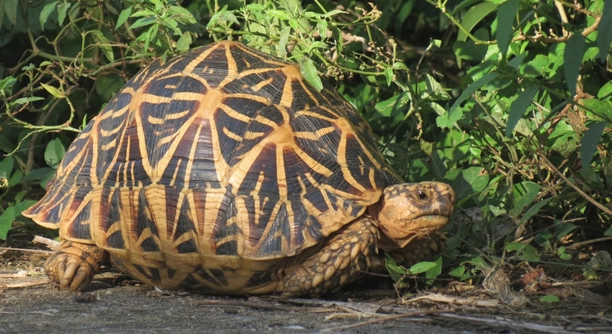
Indian Star Tortoises are herbivores and require a diet that includes a variety of vegetables to keep them healthy. Their daily meals can be an enjoyable and important part of their well-being. Providing the right options is crucial.
Indian Star Tortoises can safely eat a selection of vegetables daily. Leafy greens, carrots, pumpkin, zucchini, and bell peppers are ideal choices. These vegetables provide essential nutrients, hydration, and fiber that support their digestive system and overall health.
Incorporating these vegetables into your tortoise’s daily diet will help support their growth and vitality. It’s essential to ensure variety and balance in their meals.
Vegetables That Are Safe for Indian Star Tortoises
Indian Star Tortoises thrive on a diet of fresh, leafy greens and a variety of vegetables. Offering them a range of veggies ensures they receive different nutrients, which are essential for their health. Some of the best vegetables for tortoises include dandelion greens, collard greens, and mustard greens. These greens are high in calcium, which helps in maintaining strong shells and bones. In addition to these, you can also feed them vegetables like carrots and bell peppers. Carrots provide Vitamin A, supporting eye health and the immune system. Bell peppers offer antioxidants and add color to their meals. When preparing their food, it’s important to chop the vegetables into bite-sized pieces to make it easier for them to eat.
Many vegetables, however, should be fed in moderation. Too much of high-oxalate vegetables like spinach can cause health issues. It’s also important to avoid feeding your tortoise vegetables with high amounts of phosphorus, as they can interfere with calcium absorption.
A balanced diet consisting of a variety of vegetables is key to keeping your Indian Star Tortoise in great shape. The right selection of vegetables will provide all the essential vitamins and minerals that support their long-term health. Alongside leafy greens, feeding them root vegetables like carrots or sweet potatoes also gives them a healthy dose of beta-carotene. Adding these vegetables, along with a steady supply of fresh water, ensures your tortoise stays hydrated and nourished. By diversifying their meals, you can avoid nutritional imbalances and promote a longer, healthier life for your pet.
The Role of Fiber in Their Diet
Fiber is another essential component of an Indian Star Tortoise’s diet. It helps with digestion and overall health.
Incorporating high-fiber vegetables like pumpkin, zucchini, and squash into their meals can provide the necessary nutrients for digestive health. These vegetables are easy to digest, help regulate bowel movements, and improve gut health. They also provide hydration due to their high water content.
Ensuring a balanced intake of fiber will aid in preventing health issues like constipation and bloating, which can be common in tortoises fed low-fiber diets. These vegetables are great choices to add to their daily meals, helping to keep their digestive system functioning properly.
The Importance of Hydration
Hydration is essential for an Indian Star Tortoise’s overall health. Including water-rich vegetables like cucumber, zucchini, and melon in their diet helps maintain proper hydration. These vegetables provide moisture while adding to their nutrient intake.
Dehydration can cause a range of health problems, including kidney issues and poor digestion. Offering water-rich vegetables ensures that your tortoise stays well-hydrated. It’s important to remember that while water sources are necessary, these vegetables help maintain hydration in their daily meals. They also add variety and excitement to their diet.
For tortoises in more arid climates, incorporating these hydrating vegetables is even more important. A hydrated tortoise will have more energy and better digestive function, ensuring they are active and healthy. Always make sure that fresh water is available, but don’t underestimate the benefits of these hydrating foods in keeping them balanced.
Vegetables to Avoid
Not all vegetables are suitable for an Indian Star Tortoise. Some may harm their health or cause nutritional imbalances. Vegetables high in oxalates, such as spinach, should be fed sparingly.
Oxalates can interfere with calcium absorption, leading to potential shell and bone issues. Additionally, vegetables like iceberg lettuce contain little nutritional value and should be avoided altogether. Some other vegetables, like onion and garlic, are toxic to tortoises and should never be included in their diet. Careful selection of vegetables can prevent health issues that stem from improper nutrition.
When feeding your tortoise, avoid any vegetables that are harmful or provide minimal benefits. Stick to vegetables that are rich in vitamins, calcium, and fiber. A well-rounded diet will ensure your tortoise thrives, while an improper one can lead to long-term health problems. By staying informed about safe and unsafe options, you can protect their well-being.
Feeding Frequency and Portion Sizes
Indian Star Tortoises should be fed daily with appropriate portions. Offering a variety of vegetables helps meet their nutritional needs. Portion sizes depend on the size and age of the tortoise, so adjust accordingly.
For adult tortoises, a balanced serving should be roughly the size of their shell, which can be divided into smaller portions for better digestion. Juvenile tortoises, on the other hand, need slightly smaller portions to avoid overfeeding. Avoid offering too much food in one sitting, as it can cause indigestion.
Supplementing with Calcium
Calcium is crucial for the health of Indian Star Tortoises, especially for maintaining strong bones and shells. To ensure they receive enough calcium, dust their vegetables with a calcium supplement.
Without proper calcium intake, tortoises can suffer from metabolic bone disease, which affects their ability to absorb nutrients and impacts their overall health. A supplement is an easy way to provide the right amount of calcium when feeding them vegetables, particularly those lower in calcium content.
A Balanced Diet is Key
A balanced diet for an Indian Star Tortoise is not just about vegetables but includes a mix of leafy greens, fruit, and occasional protein.
FAQ
What vegetables can I feed my Indian Star Tortoise every day?
Indian Star Tortoises can eat a variety of vegetables daily. Ideal choices include leafy greens like dandelion greens, collard greens, and mustard greens. These provide essential nutrients like calcium, which supports bone and shell health. Vegetables such as carrots, bell peppers, zucchini, and pumpkin are also excellent options. These are rich in vitamins and minerals that promote overall health and digestion. Offering a variety of vegetables is key, as it ensures they receive different nutrients that their bodies need.
Can I feed my tortoise lettuce?
You can feed your tortoise lettuce, but avoid varieties like iceberg lettuce, as it offers very little nutritional value. Romaine lettuce is a better option due to its higher nutrient content, although it should still be fed in moderation. Lettuce can add hydration to their diet but should not be the primary vegetable.
How often should I feed my Indian Star Tortoise?
Indian Star Tortoises should be fed daily, with portions adjusted based on their age and size. For adult tortoises, offering vegetables that are about the size of their shell is a good rule of thumb. Juvenile tortoises may require smaller portions to avoid overfeeding. Make sure to offer fresh food every day, removing any uneaten leftovers to maintain a clean environment.
Are fruits safe for my Indian Star Tortoise?
Fruits can be offered to Indian Star Tortoises but should be given in moderation. Fruits like papaya, apples, and berries can be a treat and are rich in vitamins. However, they contain higher sugar content, so too much fruit can lead to digestive issues or obesity. It is best to offer fruit once or twice a week to avoid overfeeding. Always wash fruit thoroughly before feeding.
How can I ensure my tortoise is getting enough calcium?
Calcium is essential for maintaining strong bones and a healthy shell. To provide calcium, offer vegetables that are naturally rich in calcium, such as collard greens and dandelion greens. You can also dust their vegetables with a calcium supplement. This is particularly important if their diet lacks enough calcium-rich foods. Avoid offering high-phosphorus vegetables without calcium to prevent imbalance.
Can my tortoise eat spinach?
Spinach should be fed sparingly, as it contains high levels of oxalates that can interfere with calcium absorption. While it’s not toxic, it can cause long-term health issues if fed in large quantities. Occasional small amounts of spinach can be included in their diet, but it should never be the primary vegetable. Opt for low-oxalate leafy greens as a more regular food choice.
What vegetables should I avoid feeding my Indian Star Tortoise?
Some vegetables should be avoided because they can harm your tortoise’s health. Vegetables like onion, garlic, and certain types of lettuce (like iceberg lettuce) are not recommended. Foods high in oxalates, such as spinach and beet greens, should also be limited. Avoid feeding starchy vegetables like potatoes, which offer little nutritional value. Always make sure that the vegetables you offer are safe and appropriate for their diet.
Should I provide my tortoise with water daily?
Yes, fresh water should be available to your tortoise at all times. Even though some vegetables like cucumber and melon provide hydration, tortoises need access to clean water every day. Ensure the water is shallow enough for them to drink easily and that it’s changed regularly to keep it fresh. Dehydration can lead to health issues, so it’s important to monitor their water intake.
Can I feed my tortoise flowers?
Certain edible flowers can be a great addition to an Indian Star Tortoise’s diet. Flowers such as dandelions, hibiscus, and clover are safe and provide additional nutrients. However, it is important to ensure that the flowers haven’t been treated with pesticides or chemicals. Always source flowers from a trusted, pesticide-free environment before feeding them to your tortoise.
How do I know if I’m feeding my tortoise the right amount?
The right amount of food depends on your tortoise’s size and age. For adults, the food portion should be roughly the size of their shell. Juveniles need smaller portions to avoid overfeeding. A good indicator of the right amount is if your tortoise finishes its food within a few hours without overeating or leaving large amounts. If you’re unsure, it’s better to start with smaller portions and adjust as needed based on their activity level and appetite. Regularly monitoring their weight and health will help you determine if they are getting enough food.
Final Thoughts
Feeding an Indian Star Tortoise a balanced diet is essential for its long-term health. Offering a variety of vegetables, including calcium-rich greens like dandelion and collard greens, provides the necessary nutrients for strong bones and a healthy shell. Fruits can be included occasionally, but they should not dominate their diet due to the high sugar content. Moderation is key to maintaining their overall health and well-being. Consistently providing fresh, safe foods will help ensure your tortoise thrives in its environment.
Understanding the specific dietary needs of your tortoise is important, but it is equally vital to offer the right portion sizes. Overfeeding or underfeeding can lead to health complications. Monitoring your tortoise’s eating habits and adjusting portions based on its size and age can prevent digestive issues and obesity. Ensuring a balance of vegetables, occasional fruits, and proper calcium intake will contribute to a healthier and happier tortoise. With regular care and attention, your tortoise can enjoy a long, active life.
Finally, don’t forget to provide fresh water daily and clean the habitat regularly to prevent any health problems. Tortoises depend on hydration for digestion and overall vitality, so make sure they always have access to clean water. A healthy diet, along with proper hydration and care, is crucial for maintaining your Indian Star Tortoise’s quality of life. By sticking to the recommended feeding guidelines and paying attention to its specific needs, your tortoise will remain healthy and happy for many years to come.

Hello,
If you enjoy the content that we create, please consider saying a "Thank You!" by leaving a tip.
Every little bit helps us continue crafting quality advice that supports the health, happiness, and well-being of pets around the world, for pets of all shapes, sizes, and species.
We really appreciate the kindness and support that you show us!