
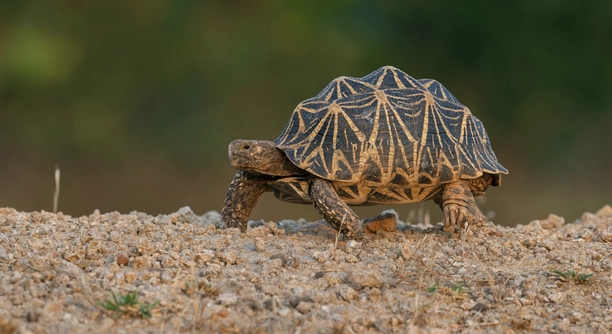
The Indian star tortoise is a unique and fascinating reptile, known for its distinctive shell and gentle nature. Ensuring they stay healthy and active is key, and diet plays an essential role in their well-being.
Certain foods can significantly enhance the immune system of Indian star tortoises. These foods provide vital nutrients that support their overall health, making them more resilient to illness and helping maintain their natural defenses.
Knowing which foods boost their immune systems can help you provide a better life for your tortoise. Keeping their diet diverse and nutritious is vital for their longevity.
Leafy Greens: A Key Immune Booster
Leafy greens are an excellent source of vitamins and minerals for your Indian star tortoise. Kale, dandelion greens, and collard greens provide high amounts of calcium and vitamin A, both of which are essential for maintaining a strong immune system. These vegetables help support bone health, proper shell growth, and overall vitality. It’s important to vary the greens you offer to ensure a diverse nutrient intake. The high fiber content in leafy greens also aids digestion and supports gut health, which is directly tied to a tortoise’s immune function. However, make sure the greens are free from pesticides and other chemicals. Fresh, organic greens are always the best choice for your tortoise.
Adding leafy greens to your tortoise’s diet ensures they receive essential vitamins for immunity. This also improves their digestive system and overall health. It’s a simple, natural way to keep them strong and vibrant.
Leafy greens provide more than just nutrition; they also offer hydration and help to maintain healthy digestion. Always clean the greens thoroughly before offering them to your tortoise. Regularly incorporating a variety of greens into their meals will keep them feeling energized and healthy.
Fruits: Nature’s Sweet Boost
Fruits provide a natural source of antioxidants and vitamins, essential for your tortoise’s immune health. Fruits like papaya, mango, and berries are rich in vitamin C, which is known to enhance immune function and overall wellness. These fruits should be offered in moderation as part of a balanced diet.
Papaya, for instance, is packed with vitamin C and digestive enzymes that promote a healthy gut. A strong gut is directly linked to a stronger immune system. Similarly, berries like strawberries and blueberries provide antioxidants that help fight off free radicals, keeping your tortoise’s body protected from harmful damage. When offering fruits, make sure they are ripe and fresh, as this maximizes the nutritional content.
Although fruits are beneficial, they should not make up the majority of your tortoise’s diet. Too much sugar can lead to digestive problems, so it’s important to offer them sparingly. A mix of fruits along with other staple foods like leafy greens is the best way to keep your tortoise healthy and happy.
Grasses and Weeds: Natural Nutrition
Grasses like Bermuda and timothy grass are an excellent addition to your tortoise’s diet. They are high in fiber and low in sugar, which helps support digestion and overall health. Weeds like clover and plantain also offer a variety of nutrients for immunity.
These grasses and weeds help mimic a natural diet, promoting healthy gut bacteria that are vital for the immune system. They also provide essential minerals, like magnesium, which support muscle function and bone health. You can safely offer them fresh and pesticide-free. Grasses and weeds are also an affordable and sustainable option for feeding your tortoise.
Flowers: A Colorful Immune Boost
Offering edible flowers like dandelions, hibiscus, and marigolds to your tortoise can add diversity and nutrients to their diet. These flowers provide vitamins, antioxidants, and anti-inflammatory properties, all of which support a healthy immune system. Edible flowers are not only tasty for your tortoise but are also rich in essential nutrients that can help prevent common illnesses.
FAQ
What should I avoid feeding my Indian star tortoise?
It’s important to avoid feeding your tortoise high-protein foods like meat, dairy, and processed foods. These can upset their digestion and lead to health problems. Foods like iceberg lettuce and spinach should also be avoided. Iceberg lettuce has little nutritional value, while spinach contains oxalates, which can interfere with calcium absorption. Avoid feeding your tortoise fruits that are high in sugar, such as grapes or bananas, as these can lead to obesity and digestive issues. Always ensure that any plants or weeds offered are free from pesticides or chemicals.
Can I feed my Indian star tortoise animal-based proteins?
Animal-based proteins should be limited in an Indian star tortoise’s diet. These tortoises are primarily herbivores, and their digestive system is not designed to process large amounts of animal proteins. Feeding them too much can cause digestive distress and may lead to kidney issues over time. Small amounts of animal protein, such as insects or worms, can occasionally be included, but they should not make up a large portion of the diet. Stick to plant-based foods for the most part to maintain your tortoise’s health.
How often should I feed my Indian star tortoise?
Adult Indian star tortoises should be fed every other day, while younger tortoises need food daily to support their growth. The diet should be varied with leafy greens, flowers, grasses, and the occasional fruit. Offering fresh food daily ensures they get the right nutrients without overfeeding. It’s important to remove any uneaten food after a few hours to prevent it from spoiling in their habitat. The portion sizes should be adjusted based on their age and size, keeping in mind that overfeeding can lead to obesity, which can affect their overall health.
How can I tell if my tortoise is getting enough nutrition?
A healthy Indian star tortoise should have a strong, smooth shell, clear eyes, and an active behavior. If your tortoise is lethargic, losing weight, or showing signs of a soft shell, it could indicate a nutritional imbalance. Monitor their diet closely and make sure it includes a variety of greens, flowers, and occasional fruits. If you notice any of these signs, consider consulting a reptile vet to check for underlying health issues and adjust the diet accordingly. Regularly providing calcium and vitamin D3 supplements can help ensure strong bones and shell growth.
Can I feed my tortoise cactus?
Yes, you can feed your tortoise some types of cactus, but make sure it is the right kind. Cactus pads (such as prickly pear) are a good choice because they are high in fiber and low in fat. Just ensure that the cactus is free from thorns before feeding it to your tortoise. The flesh of the cactus is rich in water, which helps with hydration, but it should be offered in moderation. Too much cactus can upset your tortoise’s digestion due to its high water content.
What’s the best way to hydrate my tortoise?
Hydration is crucial for Indian star tortoises, especially in warm environments. Make sure to provide a shallow water dish in their habitat at all times. It should be big enough for them to soak in, but shallow enough to prevent drowning. In addition to a water dish, you can offer moisture-rich foods like cucumbers, watermelon, and certain leafy greens. This helps with hydration and supports their overall health. Always ensure the water is clean and changed regularly to avoid any bacterial growth.
Are supplements necessary for my tortoise?
Supplements can be beneficial, especially if your tortoise’s diet is lacking in specific nutrients. A calcium supplement with vitamin D3 can help support bone and shell health, particularly for indoor tortoises that don’t get enough natural sunlight. However, over-supplementing can cause issues like kidney problems. It’s important to follow the recommended dosage for supplements and consult with a reptile vet to determine the appropriate need for your tortoise. For most tortoises with a balanced, varied diet, supplements may not be necessary, but they can be helpful in certain situations.
Can I feed my Indian star tortoise mushrooms?
It’s best to avoid feeding mushrooms to your Indian star tortoise. While some mushrooms are safe for reptiles, others can be toxic, and it’s difficult to know which ones are safe. Mushrooms are also high in moisture, and consuming them could upset your tortoise’s digestive system. Stick to safe, tried-and-true vegetables, flowers, and grasses for a healthier, more balanced diet. If you ever want to introduce a new food item, do some research and make sure it’s safe for your specific tortoise species.
How can I provide variety in my tortoise’s diet?
Offering a variety of foods keeps your tortoise interested in its meals and ensures they get all the nutrients they need. Rotate the leafy greens and vegetables, providing a mix of kale, dandelion greens, collard greens, and lettuces. You can also offer flowers, grasses, and occasional fruits like papaya or mango. Experiment with different edible weeds such as clover and plantain, and try offering different types of edible flowers. This variety helps support a healthy immune system and digestive system while preventing boredom with food.
Should I feed my tortoise vegetables like carrots or squash?
Carrots and squash can be offered to your Indian star tortoise in moderation. Carrots are rich in beta-carotene, which helps with vision and immune health, but they should not be the main part of the diet. Squash is high in vitamins A and C and is a good source of fiber, but again, it should be fed in small portions. Too many carrots, especially, can lead to excessive vitamin A, which can cause health problems like liver issues. Always aim for balance in your tortoise’s diet, with a variety of vegetables and greens.
Final Thoughts
Taking care of an Indian star tortoise involves providing a well-rounded, nutritious diet that supports their health and immune system. Foods like leafy greens, fruits, and grasses play a key role in maintaining their strength and vitality. The right balance of vitamins, minerals, and fiber ensures that your tortoise stays healthy and active throughout their life. While it’s important to feed them a variety of food, it’s equally essential to avoid certain foods that could harm their digestive system or overall health. Staying informed about their dietary needs will help you make better decisions for their care.
In addition to providing the right foods, proper hydration is vital for your tortoise’s well-being. Offering clean, fresh water and foods with high water content, such as cucumbers and certain fruits, helps keep them hydrated. A shallow water dish for soaking is also important to support their natural behaviors and prevent dehydration. Regularly checking the condition of your tortoise’s shell, skin, and eyes can provide insight into their health. If you notice any changes, it may indicate a need for diet adjustments or medical attention.
Overall, taking the time to provide a varied and nutritious diet for your Indian star tortoise will help them live a long, healthy life. Always keep an eye on their health and be ready to adjust their diet as needed. With the right care, you can ensure that your tortoise thrives and enjoys a high quality of life in your home. Keeping their environment clean and offering fresh, safe food will help them stay strong and immune to potential illnesses.

Hello,
If you enjoy the content that we create, please consider saying a "Thank You!" by leaving a tip.
Every little bit helps us continue crafting quality advice that supports the health, happiness, and well-being of pets around the world, for pets of all shapes, sizes, and species.
We really appreciate the kindness and support that you show us!