
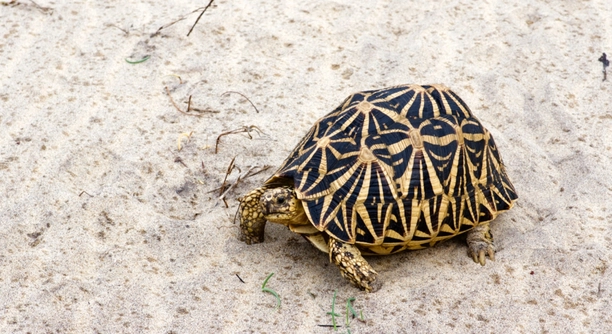
Introducing a new Indian Star Tortoise into your tank can be a rewarding experience. However, it requires careful planning to ensure the health and safety of both the new tortoise and the existing tank inhabitants.
To safely introduce a new Indian Star Tortoise, ensure a proper quarantine period of at least 30 days. This helps prevent potential diseases from spreading. Gradually acclimate the new tortoise to the environment with appropriate heating, lighting, and humidity conditions.
Managing the introduction with proper care and attention will help you create a harmonious and healthy environment for your new tortoise.
Preparing Your Tank for the New Tortoise
Before introducing a new Indian Star Tortoise, make sure your tank is properly set up. The enclosure should have enough space for the new addition, with hiding spots, basking areas, and places to explore. Ensure the temperature is suitable for the tortoise, typically between 85-90°F (29-32°C) during the day and a cooler area for nighttime. Use a UVB light to help with calcium absorption and keep the tank humidity levels between 50% to 60%. Additionally, place a shallow water dish for hydration but not one deep enough for accidental drowning. Regular tank cleaning is crucial to maintain a healthy environment.
Maintaining the right temperature and humidity helps your new tortoise feel comfortable and reduces stress. Healthy tank conditions also support its immune system, making it easier for your tortoise to adjust.
Make sure to inspect the enclosure before the new tortoise enters. This helps avoid issues like inappropriate hiding spaces or dangerous objects. Providing the right setup from the start is essential for a smooth transition.
Quarantine Process for the New Tortoise
Quarantining a new tortoise for about 30 days is essential. This allows you to monitor for potential health issues without exposing the rest of your reptiles.
During quarantine, separate the new tortoise into a clean tank with its own supplies like food and water dishes. Use different tools to clean both tanks to avoid cross-contamination. Observe the tortoise closely for signs of illness, such as lethargy, lack of appetite, or unusual behavior. If any health concerns arise, consult a vet before introducing the new tortoise to the main tank.
Additionally, quarantine gives the new tortoise a chance to acclimate to its new environment without the stress of competition for food or space. It also ensures your other reptiles remain disease-free and protected from potential infections.
Monitoring Health and Behavior
It’s crucial to keep an eye on the new tortoise for any signs of stress or illness after it’s introduced to the tank. Look for changes in eating habits, movement, or behavior.
If your tortoise is eating less, moving slowly, or hiding more than usual, it could be a sign of stress or sickness. Stress is common in a new environment, but if the symptoms persist, a vet visit may be necessary. Monitor its bowel movements and hydration as well to ensure it’s adapting properly.
Sometimes, the new tortoise might not engage with the tank’s other inhabitants right away. It can take time for them to feel comfortable. Just be patient, but if the behavior seems to worsen, further investigation is needed.
Feeding and Diet Adjustment
During the first few days, introduce your new tortoise to food gradually. A diet of fresh greens and some fruits, such as apples or melon, is ideal.
The new tortoise may be hesitant to eat at first, especially if it’s stressed. Offer food in a separate dish, allowing it to feel safe without the presence of other reptiles nearby. A mix of leafy greens like dandelion, collard greens, and romaine lettuce can be offered. Also, don’t forget to provide a calcium supplement. As the tortoise settles in, you can begin offering its regular food, paying attention to any changes in appetite. Over time, the tortoise should get more comfortable eating around other reptiles.
Socializing with Other Tank Inhabitants
After the quarantine period, the new tortoise will need to meet other reptiles or tank inhabitants. Introduce them slowly and monitor their interactions.
Keep an eye on any signs of aggression or stress. Sometimes, one tortoise may become dominant, and territorial disputes can occur.
Once the tortoises have adjusted, they should begin to tolerate each other. This process can take time, and patience is key. Always watch for any signs of bullying, and separate them if needed. Slowly, they’ll establish their place within the tank’s hierarchy.
Handling and Bonding
When handling your tortoise, do it gently and gradually to avoid causing stress.
Over time, handling the tortoise more will help it become familiar with you and its environment. Always move slowly and avoid sudden actions to keep it calm.
If the tortoise seems too stressed to be handled, give it time to adjust. It’s important to build trust slowly without overwhelming it.
FAQ
How long should I wait before introducing a new tortoise to my tank?
It’s recommended to quarantine your new tortoise for at least 30 days. This gives you time to observe it for any signs of illness or stress before introducing it to the rest of the tank. During quarantine, you can ensure that it’s eating well, moving around, and not showing any signs of disease. If no issues arise during this period, you can then begin the introduction process to the main tank.
Can I introduce a new Indian Star Tortoise to my tank immediately?
Introducing a new tortoise immediately without a quarantine period is not advisable. Even though the new tortoise might seem healthy, it could carry undetectable illnesses or parasites that could spread to other animals in the tank. A quarantine allows you to monitor the new tortoise and ensure it’s free from any health concerns.
What are the signs that my tortoise is stressed or sick?
Signs of stress in a tortoise can include lack of appetite, hiding more than usual, and becoming lethargic. Sick tortoises may show symptoms such as discharge from the eyes or nose, difficulty breathing, or unusual behavior. If any of these signs appear, it’s important to consult a vet for a proper diagnosis.
How do I make sure my tortoise’s diet is correct?
Provide a balanced diet consisting mainly of fresh greens and occasional fruits. Leafy vegetables like dandelion greens, collard greens, and romaine lettuce are great options. You can also offer small amounts of fruits like melon or berries. Make sure the food is fresh, clean, and free of pesticides. Adding a calcium supplement is important for their shell development. Avoid feeding them too many sugary fruits or starchy vegetables.
Can I put my new tortoise in with my other reptiles right away?
No, you should not introduce your new tortoise to your other reptiles right away. It’s crucial to let the new tortoise settle into its environment before allowing interaction with other animals. Gradual introductions, while monitoring for signs of aggression or stress, are necessary to ensure their safety and well-being.
How do I know if my tortoise is getting enough calcium?
Calcium is essential for the development of your tortoise’s shell. If your tortoise is not getting enough calcium, it may develop soft shells or become lethargic. To ensure adequate calcium intake, provide a calcium supplement, either in powder form sprinkled over their food or in a cuttlebone in their tank. Additionally, ensure they have access to UVB light to help with calcium absorption.
What temperature should I keep my tank at for the tortoise?
The ideal temperature for an Indian Star Tortoise tank is between 85-90°F (29-32°C) during the day, with a cooler area at night. Make sure to have a basking area that is warmer, around 95-100°F (35-38°C). This temperature range mimics their natural habitat and promotes healthy digestion and activity.
Is it okay for my tortoise to share a tank with other reptiles?
It’s possible for tortoises to live with other reptiles, but compatibility depends on the species. Avoid mixing tortoises with more aggressive species, as they can become stressed or injured. Ensure that the tank has enough space, hiding spots, and resources for all the inhabitants to feel secure. Always monitor interactions closely when adding new animals.
How do I handle my tortoise safely?
When handling your tortoise, make sure to do so gently and with care. Place one hand underneath the tortoise’s body and the other around its shell, lifting it slowly. Avoid picking up the tortoise by its legs or tail, as this can cause harm. If your tortoise seems stressed, it’s best to avoid handling until it’s more comfortable.
How often should I clean the tank?
Regular cleaning is key to keeping your tortoise healthy. Spot clean daily by removing any uneaten food and waste. Perform a deeper cleaning every 2-4 weeks, which involves changing the substrate, cleaning the water dish, and wiping down all surfaces. Maintaining cleanliness helps prevent infections and maintains a healthier environment for your tortoise.
What kind of lighting does my tortoise need?
Tortoises need access to both heat and UVB light. The heat helps regulate their body temperature, while the UVB light is crucial for calcium absorption and shell health. Ensure your tank has a UVB light that mimics sunlight. This light should be on for about 12-14 hours a day, and you should also provide a basking area with higher temperatures for warmth.
Can my tortoise live outside?
While Indian Star Tortoises can be kept outside in certain climates, it’s important to ensure the environment is safe. They need a secure enclosure to protect them from predators and extreme weather conditions. The outdoor area should have enough shade, a basking spot, and a place to hide. Make sure the temperature is stable and suitable for the tortoise.
Do I need to give my tortoise a bath?
It’s not strictly necessary to bathe your tortoise, but occasional baths can help with hydration and hygiene. Use lukewarm water, and let your tortoise soak for about 15-20 minutes. This can also help encourage them to urinate and defecate in the water, making cleaning easier.
What should I do if my tortoise refuses to eat?
If your tortoise refuses to eat, check for environmental factors like temperature or lighting issues. Stress from new surroundings or tank mates can also cause a loss of appetite. If your tortoise continues to refuse food for several days, consult a vet to rule out any health issues.
Final Thoughts
Introducing a new Indian Star Tortoise to your tank requires some planning, but it can be a rewarding experience with the right steps. The most important part of the process is ensuring your new tortoise has a healthy environment to adjust to. Proper lighting, temperature, and humidity are all essential for their well-being. A clean, spacious tank with enough hiding spots and basking areas will make the transition smoother. Be sure to prepare the tank before introducing your tortoise, giving it time to adjust and get used to its new home.
Quarantining your new tortoise is a key step in preventing the spread of any potential diseases. Even if the tortoise seems healthy, quarantining it for 30 days allows you to observe its behavior and check for signs of illness. This also gives the new tortoise time to settle in without the stress of interacting with other animals. Patience is necessary, as your new tortoise may take time to acclimate to its new surroundings and may even be hesitant to eat at first. After the quarantine period, you can slowly introduce the tortoise to your other reptiles, monitoring their interactions closely.
Remember that each tortoise has its own personality and needs. Some may be more outgoing, while others could take longer to adjust. Keeping a close eye on their health, behavior, and interactions with other animals is important throughout the process. It’s also essential to maintain a proper diet for your tortoise, offering a variety of fresh greens and occasional fruits. With time, your new tortoise will grow more comfortable in its environment, and you’ll build a stronger bond with it. If any issues arise, consult a vet to ensure your tortoise stays healthy and happy.

Hello,
If you enjoy the content that we create, please consider saying a "Thank You!" by leaving a tip.
Every little bit helps us continue crafting quality advice that supports the health, happiness, and well-being of pets around the world, for pets of all shapes, sizes, and species.
We really appreciate the kindness and support that you show us!