
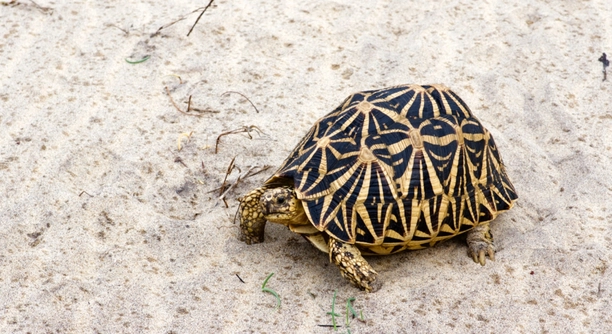
Indian Star Tortoises are often seen hiding in corners, leaving their owners concerned about their well-being. This behavior can be puzzling but is common for tortoises, as they express different needs through such actions.
Indian Star Tortoises may hide in corners due to stress, environmental factors, or natural instincts. In captivity, unfamiliar surroundings or changes in their environment can make them retreat. It’s important to evaluate their habitat to ensure comfort.
Understanding the reasons behind your tortoise’s behavior can help you create a safer and more supportive space for them. Keeping an eye on their environment can make all the difference.
Common Reasons for Hiding
There are a few reasons why your Indian Star Tortoise might hide in the corner. The most common reason is stress. It could be reacting to changes in its environment, like new surroundings, loud noises, or even unfamiliar smells. Tortoises are naturally shy creatures, and they feel safer in hidden spaces. Another reason could be that the temperature in its habitat is not optimal. If the tank is too hot or cold, your tortoise may retreat to a corner to avoid discomfort. Finally, if your tortoise feels threatened or anxious, it might seek solitude to calm down.
It’s important to check the temperature and lighting conditions in the enclosure. These factors can easily affect your tortoise’s comfort level. Keeping the space quiet and peaceful is also helpful for its well-being.
Sometimes, your tortoise might be hiding simply because it’s trying to sleep or rest. They are not always active and enjoy taking breaks throughout the day. Be patient and observe its habits to better understand its needs.
Stress and Environmental Changes
Stress plays a big role in how your tortoise behaves. Changes, such as moving to a new home, rearranging the enclosure, or the presence of new people or animals, can cause it to feel uneasy. It’s crucial to minimize these stressors as much as possible. Tortoises take time to adjust to their surroundings, so giving them space to acclimate is key.
When you first bring your tortoise home, try to keep everything as consistent as possible. Avoid sudden changes to the habitat, and give it time to settle in. A comfortable, predictable environment helps reduce anxiety. If there is a change, like a new pet or construction nearby, try to provide some quiet time for your tortoise. The fewer disruptions, the better.
Keeping things calm and consistent in their environment can go a long way in helping your Indian Star Tortoise feel more comfortable. Reducing stress and letting it get used to its space will allow your tortoise to thrive and be less likely to hide.
Temperature and Humidity Issues
Temperature and humidity are critical for your tortoise’s comfort. If it’s too hot or too cold, it might retreat to a corner. Make sure the temperature range is between 80-85°F (27-29°C) during the day, with a warmer basking area around 90°F (32°C).
The humidity level should also be monitored, as dry environments can cause stress. You should aim for humidity levels between 50-60%. You can achieve this by lightly misting the enclosure or adding a humidity box. Too much or too little moisture can lead to discomfort, causing your tortoise to hide.
Check the enclosure’s temperature regularly with a reliable thermometer. Having a heat lamp in the right spot is essential for providing warmth. If the humidity is off, adjust accordingly to create a balanced environment. A comfortable habitat keeps your tortoise active and less likely to hide.
Diet and Health Concerns
If your tortoise is not eating properly, it may retreat to corners. A poor diet can lead to health problems, making your tortoise feel unwell and stressed. Ensure your tortoise is getting the right mix of leafy greens, vegetables, and occasional fruit.
A balanced diet is key to your tortoise’s health. Overfeeding or feeding the wrong foods can result in digestive issues or lack of energy. Make sure your tortoise is getting enough fiber and calcium, which are essential for its bones and shell. Avoid overfeeding sugary or fatty foods, as they can lead to obesity and other health problems.
If you suspect health issues, look for signs like changes in appetite, lethargy, or changes in behavior. If these persist, consider consulting a vet experienced with reptiles. Keeping a healthy diet will help maintain your tortoise’s energy levels and encourage more interaction with its environment instead of hiding.
Natural Instincts
Hiding can be a natural behavior for your tortoise. In the wild, they seek out quiet, safe spots to avoid predators. This instinct remains, even in captivity. Your tortoise might simply be following its nature.
It’s important to remember that tortoises are naturally solitary creatures. They often retreat when they feel like they need privacy or rest. Allowing your tortoise a space where it can feel secure and undisturbed will help it feel more at ease.
Interaction and Socialization
While tortoises are solitary, they can still form bonds with their owners. Regular, gentle interaction can help reduce anxiety. However, too much handling might stress them out, especially if they feel threatened.
Over time, your tortoise will likely become accustomed to you. Gradual interaction, such as placing your hand near its shell without picking it up, will make it feel safe. Avoid sudden movements or loud noises around the enclosure. Building trust helps your tortoise feel comfortable and more willing to interact.
FAQ
Why is my Indian Star Tortoise hiding so much?
Your tortoise is likely hiding due to stress, discomfort, or a desire for privacy. It may be reacting to changes in its environment, like moving to a new home or changes in temperature and lighting. Tortoises are also naturally shy animals and will hide when they feel vulnerable. Make sure the temperature and humidity in the enclosure are ideal, as an improper environment can cause them to retreat. Regularly check the habitat for any possible stressors, such as loud noises, new pets, or unfamiliar people. If your tortoise continues to hide for extended periods, consider adjusting its living conditions.
How can I help my Indian Star Tortoise feel more comfortable?
To help your tortoise feel more comfortable, focus on providing a stable and safe environment. Keep the enclosure clean, ensure the temperature is consistent, and make sure it has a space where it can hide or retreat if needed. You should also avoid sudden changes to its environment, as tortoises prefer routine. Keep the habitat quiet and peaceful, away from loud noises or disturbances. If you’re handling your tortoise, be gentle and slow to help reduce stress.
Should I be concerned if my tortoise isn’t eating?
If your tortoise isn’t eating, it could be a sign of stress, illness, or improper diet. Stress from environmental changes, like temperature fluctuations or a noisy environment, can cause a loss of appetite. Check the diet to ensure it’s balanced with leafy greens, vegetables, and some fruits. If the diet is fine and there are no environmental issues, a lack of eating could signal health problems, such as gastrointestinal issues. If your tortoise is still refusing food after a few days, it’s wise to consult a vet to rule out any underlying health issues.
What should I do if my tortoise is being more reclusive than usual?
If your tortoise is being unusually reclusive, first check its environment. Ensure the habitat is at the proper temperature, humidity, and lighting. Make sure there are no loud sounds or disturbances in the area that could be causing stress. You may also want to evaluate if there has been any recent change in the environment, such as a new pet or a change in the living space. If everything seems in order and your tortoise continues to hide or become more withdrawn, it may be a sign of illness. Watch for any other symptoms, like lethargy or loss of appetite, and consult a vet if needed.
Can I handle my Indian Star Tortoise regularly?
It’s important to handle your tortoise carefully and not too often. While they can become accustomed to gentle handling, they are not naturally social creatures and can feel stressed if handled too much. Frequent handling, especially in the early stages, may cause anxiety. If you do handle your tortoise, make sure it’s calm and not hiding or retreating. Always approach slowly and gently, and avoid sudden movements. The more consistent and calm you are, the more your tortoise will trust you, but remember that it needs time to adjust to its new environment.
How can I tell if my tortoise is sick?
Signs of illness in tortoises can vary, but common symptoms include loss of appetite, lethargy, abnormal breathing sounds, changes in shell appearance, or unusual behavior like excessive hiding. If your tortoise is not eating, showing signs of weight loss, or has a runny nose or mouth, these could all indicate health issues. Make sure to observe any changes in its behavior and take action if necessary. If your tortoise seems unwell, it’s best to contact a vet with experience in reptiles to get a proper diagnosis and treatment plan.
What temperature and humidity should I maintain for my tortoise?
For an Indian Star Tortoise, the ambient temperature should be between 80-85°F (27-29°C) during the day. A basking spot should be around 90°F (32°C). During the night, temperatures can drop slightly, but should never fall below 70°F (21°C). Humidity should be maintained at 50-60% for optimal health. Too much humidity or too little can both cause problems, such as skin shedding issues or respiratory problems. It’s important to use a thermometer and hygrometer to keep track of both temperature and humidity levels in the enclosure.
How often should I feed my Indian Star Tortoise?
An Indian Star Tortoise should be fed daily with a variety of leafy greens and vegetables. They enjoy foods like collard greens, dandelion leaves, and hibiscus flowers. You can also offer some fruits like strawberries or melon, but only in moderation, as high sugar content is not ideal for regular consumption. Make sure to avoid giving them processed foods or too much protein, as their diet should be mostly plant-based. Offering a variety of foods will ensure they get the right nutrients for a healthy and active life.
Is it normal for my tortoise to sleep a lot?
Yes, it’s normal for tortoises to sleep a lot, especially during colder months. They are not constantly active, and sleeping can be part of their natural behavior. However, if your tortoise is sleeping excessively, it might be a sign of a health problem or environmental stress. Ensure the enclosure has the proper temperature and humidity, as these factors greatly impact their activity levels. If you notice your tortoise sleeping more than usual for extended periods or showing other signs of illness, it’s a good idea to consult a vet.
How can I tell if my tortoise is dehydrated?
Dehydration in tortoises can lead to serious health problems, and it’s important to recognize the signs early. A dehydrated tortoise may become lethargic, have dry skin, or show signs of constipation. Its urine may be a darker color, and the eyes might appear sunken or dull. To prevent dehydration, ensure your tortoise always has access to fresh water. You can also provide a shallow water dish that allows it to soak. Mist the enclosure lightly to maintain proper humidity, especially during warmer months. If dehydration persists, consult a vet for advice on hydration and care.
Final Thoughts
It’s natural to feel concerned when your Indian Star Tortoise is hiding in a corner, but there are several common reasons why this happens. Stress from changes in the environment, temperature fluctuations, or even new additions to the household can cause your tortoise to seek out a quiet, safe space. Tortoises are naturally shy creatures and might hide to feel secure. It’s important to be patient and give them the time they need to adjust to their surroundings. As long as their environment is calm, comfortable, and stress-free, they will usually come out of hiding when they feel safe enough.
One of the most important factors to consider is the habitat. The right temperature and humidity levels are essential for your tortoise’s health and comfort. If these elements are off, your tortoise may retreat to a corner to escape discomfort. Regularly check the temperature of the enclosure and make sure it has a proper basking spot. Keeping the humidity within the correct range will help ensure your tortoise stays healthy and active. Remember that a stable and predictable environment helps reduce stress, allowing your tortoise to feel more secure and less likely to hide for extended periods.
Finally, understanding your tortoise’s natural instincts and behavior will help you provide the best care possible. While they can form bonds with their owners, they are solitary by nature and may need quiet time alone to recharge. Make sure you’re not overhandling your tortoise, as too much interaction can cause stress. Instead, give it space and let it come to you on its own terms. If you notice any signs of illness or if your tortoise continues to hide excessively, it’s always a good idea to consult with a reptile vet to rule out any health issues. By ensuring your tortoise’s environment is right and allowing it to feel safe and comfortable, you can help it thrive.

Hello,
If you enjoy the content that we create, please consider saying a "Thank You!" by leaving a tip.
Every little bit helps us continue crafting quality advice that supports the health, happiness, and well-being of pets around the world, for pets of all shapes, sizes, and species.
We really appreciate the kindness and support that you show us!