
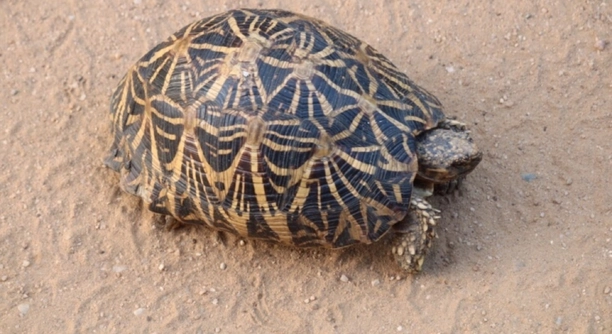
Indian Star Tortoises are unique creatures, and their activity patterns may raise questions for their owners. Understanding their behavior is key to ensuring a healthy environment for your tortoise.
The primary reason your Indian Star Tortoise is more active at night is likely due to its natural habitat and biological rhythms. These tortoises tend to be more active during cooler hours, avoiding the intense heat of the day.
This article will explore why this behavior occurs and how you can adjust your care routine to accommodate your tortoise’s nocturnal habits.
Understanding the Natural Behavior of Indian Star Tortoises
Indian Star Tortoises, like many reptiles, follow a natural rhythm that influences when they are most active. These tortoises are crepuscular, meaning they are most active at dawn and dusk, but this activity can extend into the night, especially when the temperature drops. During the day, they tend to rest or seek shelter from the heat, as they are adapted to life in areas with hot climates. Their nighttime activity is often due to cooler temperatures and the reduced threat of predators. In the wild, these patterns allow them to conserve energy during the heat of the day and be more active when conditions are more favorable. Understanding this natural behavior is key to creating an appropriate environment for your tortoise, so it can thrive.
It’s important to recognize these nocturnal tendencies as part of your tortoise’s biological makeup. The cooler night air mimics their natural habitat and provides the comfort they need for movement.
If your Indian Star Tortoise is consistently active at night, it may be a sign that its environment is mimicking natural conditions. By observing and adjusting for temperature and light cycles, you can help your tortoise feel more comfortable during its rest periods and less stressed when active.
Creating a Comfortable Environment for Your Tortoise
Proper habitat conditions are crucial for your Indian Star Tortoise’s well-being. Temperature is a key factor that directly affects its activity levels. Ensure that the enclosure has a gradient, with one side warmer for basking and the other cooler for resting. The cooler side should mimic the nighttime temperatures found in their native environment. Humidity also plays a role in your tortoise’s comfort. Too much moisture can lead to stress, while too little can cause skin and respiratory issues. Regularly monitor these environmental factors and adjust them as needed to ensure your tortoise remains healthy and happy. By making these simple adjustments, you can help your Indian Star Tortoise maintain a natural, healthy rhythm of activity and rest.
Temperature and Lighting Adjustments
Maintaining a proper temperature range is crucial for your Indian Star Tortoise’s activity levels. Daytime temperatures should range between 85°F and 95°F, while the night temperature can drop to around 70°F. By mimicking these natural variations, your tortoise will feel more at ease.
If your tortoise is active at night, it’s a sign that the environment is too warm during the day or not cool enough at night. Adjusting the light cycle to simulate day and night may also help. Providing UVB lighting during the day ensures your tortoise gets the vitamin D3 it needs. Be sure to have a light on during the day, then turn it off at night, allowing your tortoise to follow its natural cycle. These adjustments will help reduce nighttime restlessness and promote proper sleeping patterns.
If the temperatures are too high or low, it can lead to stress and disrupt your tortoise’s natural rhythm. Regularly monitoring your tortoise’s enclosure temperature can help you find the right balance. If necessary, invest in a reliable thermometer and heating equipment to ensure the temperature gradient is just right.
Feeding Habits and Nocturnal Activity
The feeding schedule also plays a role in your tortoise’s nighttime behavior. If food is provided too late, it may cause your tortoise to remain active during hours it would otherwise be resting. To prevent this, aim to feed your tortoise earlier in the day, allowing it time to digest before nighttime. This may help your tortoise adjust to a natural sleep pattern.
Indian Star Tortoises are herbivores and typically feed on grasses, weeds, and other plant matter. A well-balanced diet is essential for your tortoise’s overall health and energy levels. Offering food in the morning or early afternoon aligns with their natural patterns, encouraging rest during the night. Keeping a consistent feeding schedule also helps regulate your tortoise’s internal clock. Avoid feeding them too close to their active hours, as this can disrupt their natural rhythms. By adjusting the feeding time, you can help manage their energy levels and improve sleep quality.
Stress and Environmental Factors
Stress is another factor that can affect your tortoise’s activity levels. Environmental changes, such as loud noises, unfamiliar objects, or even too much handling, can make your tortoise more active, especially at night. Create a calm, quiet space to minimize stress.
Excessive stress can also result from overcrowding or poor habitat conditions. Ensure your tortoise has enough space and that the enclosure is designed to provide hiding spots. This can help your tortoise feel secure during the night and allow it to rest properly. Pay attention to its behavior and adjust as needed.
The Role of Natural Behavior
Indian Star Tortoises are naturally more active in the cooler parts of the day, including night. This behavior helps them avoid the extreme heat they face in their native habitats. They instinctively conserve energy during the hotter parts of the day.
Understanding this helps you create a more suitable environment. By offering cooler night conditions, you mimic the environment they are adapted to, allowing them to be more active during the right hours. This ensures your tortoise feels comfortable, minimizing unnecessary stress and promoting natural behavior patterns.
Finding the Right Balance
Ensuring a proper balance of heat, light, and space is essential. Tortoises need the right environment to maintain their natural rhythms. If nighttime activity continues despite adjustments, it could be a sign that something needs further attention. Always assess temperature and habitat regularly.
FAQ
Why is my Indian Star Tortoise active at night?
Indian Star Tortoises are crepuscular and naturally more active during dawn, dusk, and cooler nighttime hours. They avoid daytime heat and use the night to move around, forage, and explore. This behavior is in line with their native habitat, where temperatures are more favorable during the evening. If your tortoise is active at night, it may simply be following its natural instincts.
Can I change my tortoise’s nighttime activity?
It’s possible to adjust the environment to encourage your tortoise to rest at night. By managing the temperature and light cycle, you can create a more suitable habitat. If you want your tortoise to be more active during the day, ensure that daytime temperatures are within the ideal range and provide adequate basking spots. However, you should respect your tortoise’s natural rhythm and not force it to completely change its behavior.
Is nighttime activity a sign of poor health?
No, nighttime activity in an Indian Star Tortoise is not a sign of poor health. It is a normal behavior for this species. However, if your tortoise is unusually active at night or seems to be restlessly moving around or pacing, it could indicate stress, an uncomfortable environment, or an underlying health issue. Always observe your tortoise for other signs like changes in eating, behavior, or physical appearance.
How can I ensure my tortoise gets enough sleep?
To help your tortoise get sufficient rest, make sure its environment is quiet and free of disturbances at night. Use appropriate lighting to simulate a natural day-night cycle. Providing a cool, dark area for sleeping will help signal to your tortoise that it’s time to rest. Reducing stress factors in the habitat will also encourage better sleep.
Should I be worried if my tortoise is active throughout the night?
While tortoises may naturally be active at night, continuous activity throughout the entire night could indicate an issue. Check that the temperature gradient in the enclosure is correct, as extreme temperatures may lead to excess activity. If the behavior persists despite environmental adjustments, consider consulting a vet to rule out potential health problems.
Does the temperature affect my tortoise’s nighttime activity?
Yes, temperature plays a significant role in your tortoise’s activity levels. If the enclosure is too warm during the day or too cold at night, it could disturb its natural sleep cycle. Ensure that your tortoise has access to a temperature gradient, with cooler areas for nighttime rest. Proper nighttime cooling can help regulate activity.
Is my Indian Star Tortoise too active for its age?
Tortoises’ activity levels can vary with age, but young Indian Star Tortoises are generally more active than older ones. As they mature, they tend to slow down a bit and rest more often. However, age alone doesn’t determine activity levels—environment and health are more important factors. Ensure that your tortoise has enough space and the proper environment to move around at its own pace.
What should I do if my tortoise is excessively active during the day?
Excessive daytime activity may be a sign of an unbalanced environment. Check if the daytime temperature is too high or too low. Indian Star Tortoises need a warm basking area, but too much heat during the day can lead to restlessness. If the temperature is right and the tortoise remains active, it might be due to a lack of hiding places or other stress factors. Make sure there are adequate spaces for your tortoise to retreat and rest.
How do I manage my tortoise’s light cycle?
You can manage your tortoise’s light cycle using timers for the lighting in the enclosure. Set the light to mimic a 12-hour day and 12-hour night cycle. This helps your tortoise understand when it should be resting and when it should be active. Be sure to turn off the lights at night to simulate natural darkness.
What time should I feed my tortoise to avoid disturbing its sleep cycle?
Feeding your tortoise earlier in the day helps avoid disturbing its sleep cycle. A morning feeding gives your tortoise enough time to digest before it becomes more active. Avoid feeding it too late, as this may encourage it to stay awake longer than usual, especially if the food is left out for too long. Keeping a consistent feeding schedule helps regulate its overall activity patterns.
Can my tortoise’s nocturnal behavior affect its lifespan?
Nocturnal behavior does not directly impact your tortoise’s lifespan as long as it is healthy and well cared for. The key to longevity is ensuring that its environmental conditions, diet, and health are well-maintained. Excessive nighttime activity due to stress or discomfort could affect its well-being over time, so focus on creating a stable, comfortable environment for your tortoise.
How do I know if my tortoise is too stressed at night?
Signs of stress in your tortoise may include excessive pacing, aggression, lack of appetite, or changes in shell appearance. If your tortoise is more active at night due to stress, it may also be trying to escape from its habitat or digging excessively. Identifying and eliminating the source of stress can help your tortoise feel safer and more comfortable during its rest periods.
Can a noisy environment affect my tortoise’s sleep?
Yes, a noisy environment can stress your tortoise and disrupt its natural sleep cycle. Tortoises, like many reptiles, prefer a quiet space to rest. If your tortoise’s enclosure is near a noisy area, consider relocating it to a quieter spot where it can feel secure. Reducing external disturbances will help ensure a peaceful and restful environment.
Final Thoughts
Indian Star Tortoises are naturally more active at night, following their instincts and behavior patterns from their native habitats. This nocturnal activity is typical and not necessarily a cause for concern. However, it’s important to understand the reasons behind this behavior so you can create the best possible environment for your tortoise. Factors like temperature, stress, and natural biological rhythms all play a role in how active your tortoise may be during the night. It’s essential to ensure that the habitat conditions align with their needs to avoid unnecessary stress or discomfort.
Creating a balanced environment is key to supporting your tortoise’s health. Providing the right temperature gradient, access to light during the day, and quiet, dark spaces for rest at night can all make a significant difference. If your tortoise is still excessively active at night despite these adjustments, it might be worth considering other factors, such as overcrowding, environmental stressors, or even a health issue. Keeping track of its behavior and monitoring changes over time will help you understand what’s best for your pet. Don’t hesitate to consult a vet if you notice unusual changes in activity that don’t seem to align with its normal routine.
Ultimately, understanding your tortoise’s nocturnal behavior and needs will allow you to provide a more suitable and comfortable environment. Each tortoise is different, and some may be more active at night than others. As long as you’re mindful of its well-being and the factors that influence its behavior, you can ensure that your Indian Star Tortoise remains healthy, happy, and active in a way that is natural for it.

Hello,
If you enjoy the content that we create, please consider saying a "Thank You!" by leaving a tip.
Every little bit helps us continue crafting quality advice that supports the health, happiness, and well-being of pets around the world, for pets of all shapes, sizes, and species.
We really appreciate the kindness and support that you show us!