
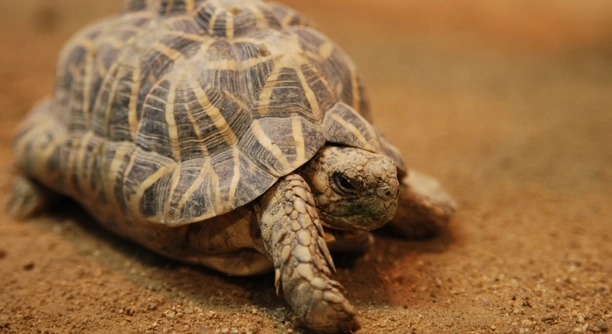
Caring for Indian Star Tortoise hatchlings requires attention to their diet for healthy growth and development. A balanced diet plays a crucial role in ensuring their well-being and longevity, so it’s important to choose wisely.
There are several diet plans suitable for Indian Star Tortoise hatchlings. These plans typically include a variety of leafy greens, fruits, and vegetables. Proper supplementation of calcium and other nutrients is also essential to avoid health problems like shell deformities.
A balanced diet is essential for their proper development. Learn how to incorporate the right foods and nutrients to help your hatchlings thrive.
1. Leafy Greens: A Key Ingredient in Their Diet
Leafy greens are one of the best food choices for Indian Star Tortoise hatchlings. These greens provide essential vitamins, minerals, and fiber that support their overall health. Common options include dandelion greens, collard greens, and mustard greens. These should be fresh and free from pesticides to ensure they are safe for your hatchlings. Leafy greens help promote healthy digestion and ensure proper growth. Make sure to chop them into small, manageable pieces to avoid choking hazards.
Feeding them a variety of greens will keep their diet balanced and prevent boredom. A rotation of different types will provide a broad range of nutrients, ensuring they get everything they need.
While leafy greens form the basis of their diet, it’s important not to overfeed them. An excess of certain greens, like spinach, can lead to calcium imbalance. Moderation and variety are key to their health.
2. Fruits and Vegetables: A Healthy Treat
Fruits and vegetables should be offered in moderation. These foods offer a boost in vitamins, antioxidants, and hydration.
Fruits like strawberries, apples, and papaya provide essential nutrients but should be given sparingly due to their sugar content. Vegetables like carrots, bell peppers, and zucchini add extra vitamins without being too rich in sugar. Ensure that fruits and vegetables are well washed to remove any harmful chemicals before feeding them to your hatchlings.
The balance between fruits, vegetables, and greens is crucial for the right diet. Overfeeding fruits can result in obesity and digestive issues. Stick to a healthy ratio and introduce a mix of fresh, high-quality produce.
3. Calcium-Rich Foods
Calcium is vital for the healthy growth of Indian Star Tortoise hatchlings. It helps in the development of their shell and bones. Some good calcium-rich foods include kale, clover, and cactus pads. These foods provide essential minerals needed for proper development. You can also dust their food with calcium powder to ensure they get enough.
Calcium supplementation is crucial, as the lack of it can lead to shell deformities and growth issues. Ensure the calcium source is in a digestible form, such as a fine powder. Remember, balance is key – too much calcium can cause kidney problems.
A regular feeding schedule, combined with appropriate calcium intake, supports the hatchling’s growth. If you notice any abnormalities in their shell or behavior, it might indicate a calcium deficiency. Always observe their development closely and adjust their diet accordingly to ensure they thrive.
4. Protein Sources
Protein is an essential part of your tortoise’s diet for muscle growth and overall health. Some good protein sources for hatchlings include mealworms, earthworms, and insects. These should be offered in small quantities and not too frequently, as protein should not dominate their diet.
While protein is important, too much of it can cause kidney problems and other health issues. Focus on providing more plant-based foods like leafy greens, while supplementing with occasional protein sources. A diet with balanced protein levels will help your hatchlings develop into strong, healthy adults.
Proper portion sizes and frequency are key when feeding protein. Too many protein-rich foods can lead to imbalanced nutrition. If you’re unsure about the right amount, consult a vet to establish an ideal feeding plan for your tortoises.
5. Commercial Diets and Pellets
Commercial pellets can be convenient, but they should not make up the majority of your tortoise’s diet. Some high-quality pellets provide balanced nutrition, but you should still focus on offering fresh fruits, vegetables, and leafy greens. Pellets should be used as a supplement, not a replacement.
Be cautious when choosing pellets, as some brands may have low-quality ingredients. Always check the ingredients list for the right balance of nutrients. Pellets can be high in fiber and protein, making them a useful addition but they should never replace natural foods that offer variety.
Remember, moderation is important. Overfeeding pellets can lead to imbalanced nutrition. For a healthy tortoise, aim for a combination of natural foods and high-quality commercial pellets to support their growth.
6. Water and Hydration
Hydration is just as crucial as diet for your hatchlings. Always provide fresh, clean water in a shallow dish, ensuring that the water level is low enough to avoid drowning.
Hydration aids in digestion and helps maintain healthy skin and shell. Regularly change the water to prevent contamination, and make sure it’s easy for the hatchlings to access. A hydrated tortoise is a happy and healthy tortoise, so ensure they are drinking enough.
7. Avoiding Harmful Foods
There are some foods that should never be fed to your Indian Star Tortoise hatchlings. Foods high in oxalates, such as spinach, should be limited because they can interfere with calcium absorption. Additionally, avoid feeding them dairy or meats, as tortoises are herbivores.
Feeding them wrong foods can lead to serious health problems. Always do research before adding any new food to their diet. Sticking to safe, natural, plant-based foods ensures that your hatchlings stay healthy and strong.
FAQ
What fruits can I feed my Indian Star Tortoise hatchlings?
You can offer fruits like apples, strawberries, papayas, and melons. However, fruits should be given sparingly due to their high sugar content. It’s important to remember that too much sugar can lead to digestive issues and obesity. Always chop fruits into small, manageable pieces to avoid choking hazards. Stick to a variety of fruits to ensure your hatchlings get different nutrients, but keep their intake balanced with other food types like leafy greens and vegetables.
Can I feed my Indian Star Tortoise hatchlings carrots?
Yes, carrots are safe for your hatchlings, but they should be offered in moderation. Carrots are high in beta-carotene and provide some essential vitamins, but they are also quite starchy and can be too rich if overfed. Cut the carrots into small pieces or thin slices to prevent choking, and combine them with other vegetables like bell peppers or leafy greens for a well-rounded diet.
How often should I feed my Indian Star Tortoise hatchlings?
Young Indian Star Tortoises typically need to be fed every day, as they are still growing and require the nutrients to support their development. Adult tortoises, however, can be fed less frequently. For hatchlings, offer a variety of fresh foods daily, and observe their eating habits to ensure they’re not overfed or underfed. Be sure to monitor their weight and shell growth, adjusting the diet as needed. Keep portions small, as tortoises tend to graze.
Are there any foods I should avoid for my Indian Star Tortoise hatchlings?
Yes, there are several foods that should be avoided. For example, avoid feeding them spinach and other foods high in oxalates, as they can interfere with calcium absorption. Additionally, dairy products, meat, and processed foods are unsuitable for tortoises and should never be part of their diet. Tortoises are herbivores, so always focus on plant-based foods. Also, avoid feeding them iceberg lettuce, as it contains little nutritional value and can cause digestive issues.
Can I give my Indian Star Tortoise hatchlings pellets every day?
Pellets can be offered occasionally but should not be the primary food source. While some commercial pellets contain a balanced mix of nutrients, they lack the variety and natural content that fresh fruits, vegetables, and leafy greens provide. Use pellets as a supplement to their diet rather than a daily food item. Overreliance on pellets can lead to nutritional imbalances, so always pair them with fresh, high-quality plant-based foods for optimal health.
How do I ensure my Indian Star Tortoise hatchlings get enough calcium?
To ensure proper calcium intake, offer calcium-rich foods such as kale, clover, and cactus pads. You can also supplement their diet with calcium powder, which can be sprinkled on their food. Calcium is essential for proper shell and bone development, and without it, hatchlings can develop deformities. Be cautious, though, as too much calcium can lead to kidney problems. A balanced approach, with both natural calcium sources and supplements, is the best way to ensure their health.
Should I offer water to my Indian Star Tortoise hatchlings?
Yes, fresh water should always be available for your hatchlings. Tortoises can dehydrate quickly, and hydration is key to their overall health and digestion. Use a shallow dish to ensure they can easily access the water without risk of drowning. Change the water regularly to keep it clean. Some hatchlings may prefer to soak in water, which helps them stay hydrated, especially in hot climates. Always ensure the water is clean and fresh daily.
How do I know if I am feeding my Indian Star Tortoise hatchlings the right foods?
Monitor your hatchlings’ growth and shell condition regularly. Healthy growth should be steady, and their shell should remain smooth and intact. If you notice any signs of malnutrition, such as stunted growth, soft or deformed shells, or lethargy, reassess their diet. A balanced diet should include a variety of leafy greens, vegetables, and occasional fruits. If you’re unsure about their diet, consulting a veterinarian who specializes in reptiles is always a good idea.
Can I feed my Indian Star Tortoise hatchlings flowers?
Yes, many flowers are safe and nutritious for Indian Star Tortoise hatchlings. You can feed them dandelion flowers, hibiscus, and other non-toxic flowers. These provide extra vitamins and antioxidants, which are beneficial for their health. Always ensure the flowers are pesticide-free and wash them thoroughly before offering them to your hatchlings. Some flowers are more nutritious than others, so mix them with other fresh food sources to ensure a balanced diet.
Final Thoughts
Taking care of Indian Star Tortoise hatchlings involves understanding their specific dietary needs and providing them with a balanced, nutritious diet. Their health depends on a variety of fresh greens, vegetables, and occasional fruits. It is important to avoid overfeeding any one type of food, as this can lead to nutritional imbalances. By offering a range of foods, including leafy greens like dandelion and kale, and supplementing their diet with calcium and protein sources when necessary, you can ensure that your hatchlings grow up strong and healthy. Moderation is key when it comes to fruits and high-protein foods, so aim to offer them sparingly.
Calcium is an essential nutrient for your tortoise hatchlings. It is necessary for strong bones and proper shell development. While natural foods like clover and cactus pads are excellent sources of calcium, you can also use a calcium supplement if needed. However, be cautious not to over-supplement, as too much calcium can lead to kidney problems. A balanced approach with regular observation of your hatchlings’ growth and behavior will help ensure they are getting all the nutrients they need. Remember, offering fresh, clean water at all times is just as important as food, as dehydration can be harmful to their health.
When feeding your Indian Star Tortoise hatchlings, avoid foods that can cause harm. Steer clear of anything high in oxalates, such as spinach, and never feed them processed foods or meats. Stick to fresh, natural plant-based options to maintain a healthy diet. Consistency and variety are crucial for their growth, and while commercial pellets can be convenient, they should not be relied upon as the main food source. A well-balanced diet, combined with proper hydration and the right care, will ensure that your tortoise hatchlings develop into healthy, thriving adults.

Hello,
If you enjoy the content that we create, please consider saying a "Thank You!" by leaving a tip.
Every little bit helps us continue crafting quality advice that supports the health, happiness, and well-being of pets around the world, for pets of all shapes, sizes, and species.
We really appreciate the kindness and support that you show us!