
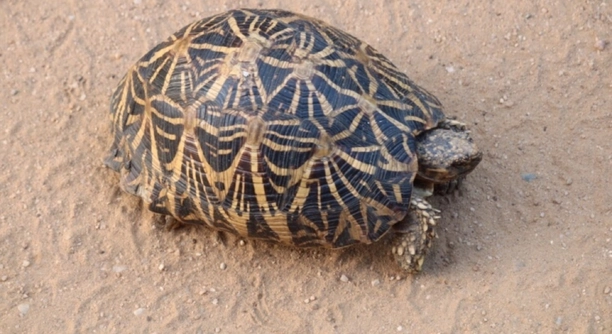
Maintaining the right humidity levels for your Indian Star Tortoise is crucial to keeping them healthy and comfortable. It’s important to understand how to provide an optimal environment for your reptile to thrive.
To ensure proper humidity for your Indian Star Tortoise, you need to regulate their enclosure’s moisture through proper substrate, frequent misting, and a consistent heat source. Maintaining levels between 50-70% humidity is essential for their well-being.
Taking the right steps will create a stable environment for your tortoise. This article will guide you through the most effective methods to achieve the ideal humidity levels.
Choosing the Right Substrate
The substrate you use in your Indian Star Tortoise’s enclosure can greatly impact the humidity levels. Opt for natural materials like coconut coir, cypress mulch, or organic soil, which hold moisture well. These substrates help maintain a stable humidity level by absorbing water and gradually releasing it over time. Avoid using sand or gravel, as they dry out quickly and won’t retain enough moisture.
Keeping the substrate slightly damp is key. You don’t want it soaking wet, but a consistent level of moisture will allow your tortoise to stay comfortable.
Regularly monitor the moisture level in the substrate and top it off with water when needed. This is especially important if you live in a dry area. With the right substrate, you’ll create a more stable and healthy environment for your tortoise to thrive in.
Misting to Control Humidity
Misting is an easy and effective way to regulate the humidity in your tortoise’s habitat. A spray bottle can be used to mist the enclosure once or twice a day.
Misting the enclosure will help keep the air humid and allow your tortoise to absorb some moisture directly through the air. Over time, this will maintain the ideal humidity range. Be mindful of how much you mist; too much water could lead to mold or an overly damp environment.
While misting helps maintain humidity, it’s important to allow the substrate to dry slightly between misting sessions. A balance is key. If you notice humidity dropping too low, increase the frequency of misting to bring it back to an optimal level. With regular misting, your tortoise will have a more stable and healthy environment.
Using a Humidity Gauge
A humidity gauge, or hygrometer, is an essential tool for monitoring the environment. It gives you real-time readings so you can ensure your tortoise’s enclosure stays in the ideal range.
These gauges are affordable and simple to use. Place one in the middle of the habitat, away from any heat source, for an accurate reading. A good hygrometer will allow you to adjust your setup as needed, ensuring the humidity remains between 50-70%.
With a humidity gauge, you’ll easily notice if the levels are dropping too low or going too high. This allows you to take immediate action by adjusting your misting schedule or adding moisture to the substrate. A consistent reading helps avoid any drastic fluctuations, providing your tortoise with a stable, healthy environment.
Providing a Water Dish
A shallow water dish can help raise humidity levels by releasing moisture into the air as your tortoise drinks or soaks. The water should be shallow enough for your tortoise to easily climb in and out.
Placing the dish in a location where your tortoise spends most of its time will encourage it to use it. Ensure that the water is always clean and fresh, as stagnant water can introduce harmful bacteria. You can also add a few decorative rocks around the dish to give your tortoise a better grip when entering or exiting.
The water dish helps maintain humidity without you having to actively mist all the time. It serves as a consistent source of moisture for your tortoise. Just be sure to monitor the water level and cleanliness regularly. This simple addition will make a noticeable difference in the comfort of your tortoise’s habitat.
Adjusting the Temperature
Temperature plays a key role in humidity regulation. Ensure your tortoise’s habitat has a warm side and a cooler side to help balance the humidity levels.
Use a reliable heat source like a basking lamp or ceramic heater to keep one side of the enclosure warm. This heat will encourage water evaporation, raising the humidity.
Be mindful of the temperature range. If it gets too hot, the humidity will drop too quickly. Keep the warm side at around 90°F (32°C) and the cooler side around 75°F (24°C). With this setup, you can create a comfortable environment that also promotes proper humidity levels.
Ventilation Matters
Proper ventilation allows for moisture to escape, preventing stagnant air. Make sure your tortoise’s enclosure has enough airflow.
The ventilation should not be too strong, as it can dry the enclosure out. Aim for small air vents at the top of the enclosure. This way, humidity won’t build up too much, but the air won’t become too dry either. Proper airflow helps maintain a balance.
Good ventilation helps avoid mold and excess moisture buildup while keeping the air fresh. It also encourages healthy humidity levels without overcompensating with misting or water sources.
Choosing the Right Enclosure Size
The size of your tortoise’s enclosure also affects humidity levels. A larger space allows moisture to spread too thinly, while a smaller one can become too humid.
Pick an enclosure that fits your tortoise’s size while also allowing for adequate air circulation. This balance ensures a comfortable environment. A medium-sized enclosure is usually perfect for adult Indian Star Tortoises.
Too much space can make it hard to maintain humidity levels, so keep your setup manageable. A good-sized enclosure ensures your tortoise can thrive in a controlled climate without excessive moisture loss.
FAQ
What is the ideal humidity level for an Indian Star Tortoise?
The ideal humidity for an Indian Star Tortoise should be between 50-70%. This range helps maintain their health, preventing respiratory issues and promoting proper shell growth. Too low humidity can lead to dehydration, while too high can cause skin problems and respiratory distress. Regularly monitor humidity using a gauge to ensure it stays within this range.
How often should I mist my tortoise’s enclosure?
Misting frequency depends on your climate and the enclosure’s ventilation. In a dry environment, misting once or twice a day is often necessary. In more humid regions, misting every other day may be sufficient. Always check the substrate to ensure it’s slightly damp, but not soaking wet, to avoid mold or bacteria growth.
Can I use a humidifier to maintain humidity?
Yes, using a humidifier can be an effective way to control humidity, especially in areas with very dry air. Place the humidifier near the enclosure, but not directly inside. It’s important to monitor humidity closely with a gauge, as too much moisture can create an unhealthy environment.
Should I add live plants to the enclosure for humidity?
Live plants can help raise humidity and create a more natural environment for your tortoise. Choose plants that thrive in humid conditions and don’t require excessive water. They’ll not only help maintain the right moisture levels but also provide a more enriched habitat for your tortoise. Just make sure the plants are safe for tortoises and won’t be eaten or harmful.
How do I prevent mold or bacteria in my tortoise’s enclosure?
To prevent mold and bacteria, avoid over-wetting the substrate or misting too frequently. Ensure that any water sources are kept clean and fresh. Regularly spot clean the enclosure to remove waste, and periodically replace the substrate if it begins to look moldy or smells musty. Proper ventilation is also key to preventing mold buildup.
Is it necessary to have both a warm and cool side in the enclosure?
Yes, having both a warm and cool side in the enclosure is essential for temperature regulation. The warm side should be around 90°F (32°C) to encourage proper digestion, while the cool side should be about 75°F (24°C). This temperature gradient helps your tortoise regulate its body temperature and ensures the humidity is spread evenly throughout the enclosure.
How do I know if my tortoise’s enclosure is too dry?
If the humidity levels drop below 50% and the substrate feels dry, it’s a sign the enclosure is too dry. You might also notice that your tortoise starts becoming more lethargic or shows signs of dehydration, such as dry skin. To raise the humidity, you can add water to the substrate, mist more frequently, or add a water dish.
Can I use a glass aquarium for my tortoise?
Glass aquariums can be used for tortoises, but they don’t always allow for proper ventilation. Make sure to have sufficient airflow through the top or sides to avoid trapping excess moisture, which can cause mold. Consider using a screened lid or creating ventilation holes to ensure the enclosure doesn’t become too humid.
How do I maintain humidity during the colder months?
During colder months, humidity can drop due to the heating in your home. To maintain consistent humidity, you may need to mist more often or add a humidifier. Ensure the enclosure is not placed near heaters or air conditioners, as these can dry out the air. Keep a close eye on humidity levels, and adjust as necessary to maintain the optimal range.
Can I use a heat lamp to regulate both temperature and humidity?
A heat lamp helps regulate temperature but doesn’t directly control humidity. However, the warmth from the lamp can help moisture evaporate from the substrate, indirectly raising humidity. Ensure the enclosure is large enough to allow for temperature variation, and consider adding a water dish or misting to help with humidity.
Final Thoughts
Maintaining the proper humidity levels for your Indian Star Tortoise is crucial to ensuring its health and well-being. Without adequate humidity, your tortoise can face a variety of issues, such as dehydration, respiratory problems, or even shell deformities. By using the right substrate, misting regularly, and keeping the environment at the correct temperature, you can easily create a comfortable habitat for your tortoise. It’s important to stay consistent with your care routine and regularly monitor humidity levels with a hygrometer to make necessary adjustments.
The key to maintaining proper humidity is finding a balance. Too much moisture can lead to mold growth and respiratory issues, while too little moisture can cause dehydration. It’s a constant process of observation and fine-tuning, but once you get into a routine, it becomes easier. Adding items like a shallow water dish and live plants can also help create a more stable environment for your tortoise, while improving the overall look and feel of the enclosure. Regular cleaning and maintenance will help keep the enclosure hygienic and free of bacteria, which could otherwise harm your pet.
Ultimately, ensuring your tortoise has the right humidity is a part of giving them the best care possible. It’s not a difficult task, but it does require attention and effort. By understanding your tortoise’s needs and responding with the right adjustments, you’ll create a habitat where your pet can thrive. With the right setup, your Indian Star Tortoise will live a healthy, comfortable life, free of the concerns that come with improper humidity levels.

Hello,
If you enjoy the content that we create, please consider saying a "Thank You!" by leaving a tip.
Every little bit helps us continue crafting quality advice that supports the health, happiness, and well-being of pets around the world, for pets of all shapes, sizes, and species.
We really appreciate the kindness and support that you show us!