
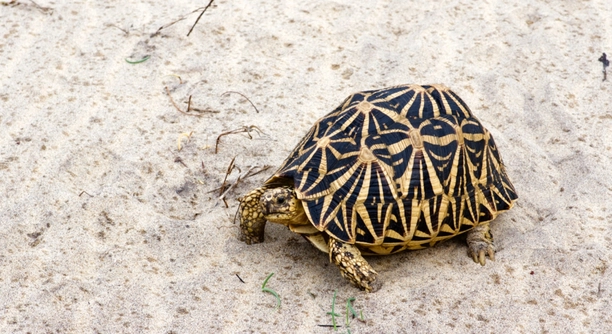
If you’ve noticed your Indian Star Tortoise sneezing, you’re not alone. It’s not uncommon for pet owners to be puzzled by this behavior, and understanding the reasons behind it can help you care for your tortoise better.
The most likely causes of sneezing in Indian Star Tortoises include respiratory infections, poor humidity, or dusty environments. Stress, improper diet, or environmental factors may also contribute to sneezing. Monitoring your tortoise’s habitat and health is essential.
Addressing these factors can significantly improve your tortoise’s health and comfort. Understanding their environment and needs will help you provide a safe, healthy space for them to thrive.
Respiratory Infections in Indian Star Tortoises
One common reason your tortoise might be sneezing is due to a respiratory infection. These infections often start with mild symptoms like sneezing but can worsen quickly if not addressed. Symptoms like runny nose, wheezing, or lethargy can accompany sneezing. Respiratory infections are caused by bacteria or viruses that thrive in unhygienic or poorly managed environments. A tortoise with an infection may struggle to breathe properly, which leads to sneezing and other signs of distress. Poor ventilation, low temperatures, and high humidity levels are typical factors that encourage these infections to spread.
If you suspect a respiratory infection, it’s crucial to consult a veterinarian who specializes in reptiles. They can perform the necessary tests and offer treatment, such as antibiotics, to help your tortoise recover. Providing your tortoise with the correct temperature, humidity, and clean habitat is key to preventing infections in the future.
A proper setup can ensure your tortoise stays healthy. Regularly cleaning the enclosure and checking for temperature fluctuations can help prevent respiratory issues from arising.
Humidity and Environmental Conditions
Humidity plays an important role in a tortoise’s health. If the humidity is too low or high, it can affect their respiratory system, causing sneezing. The ideal range for an Indian Star Tortoise is between 50% and 70%. If your tortoise’s enclosure is too dry, it can lead to dehydration and respiratory stress. Conversely, excessive humidity can encourage mold growth, which could make the tortoise sneeze as it tries to clear the irritants from its nasal passages. Ensuring proper humidity levels can reduce the risk of respiratory problems.
Regulating the humidity levels in your tortoise’s habitat is as simple as adjusting the amount of water or adding a humidifier. Keeping track of the humidity with a hygrometer will make it easier to find the right balance for your tortoise. Proper humidity will help maintain your tortoise’s overall health and comfort.
Dust and Debris in the Enclosure
Dust and debris in your tortoise’s enclosure can irritate its respiratory system, leading to sneezing. Tortoises spend a lot of time on the ground, and the dust they come in contact with can cause sneezing fits or even more severe health issues over time. Keeping their living area clean is essential to avoid this.
Regularly wiping down surfaces and replacing substrate will help minimize dust. Using dust-free bedding materials like coconut husk or cypress mulch is ideal. Avoid using sand, as it can dry out the air and add more dust particles. Cleaning your tortoise’s habitat and ensuring it’s dust-free can prevent sneezing and other respiratory problems.
In addition to cleaning, maintaining proper ventilation is just as important. A well-ventilated enclosure allows fresh air to circulate and reduces the build-up of dust. Also, avoid using strong-smelling chemicals when cleaning, as these can irritate your tortoise’s respiratory system. Keeping a clean, safe environment will contribute to the overall health of your tortoise.
Stress and Sneezing
Stress can be another reason behind your tortoise’s sneezing. When a tortoise feels stressed, whether due to handling, a noisy environment, or a change in habitat, it can exhibit unusual behaviors like sneezing. Stress weakens the immune system, making it more susceptible to infections and illnesses.
To reduce stress, ensure that your tortoise’s environment is quiet, stable, and free from sudden changes. Refrain from handling your tortoise too often, as it can feel threatened or agitated. It’s also important to create a safe space for your tortoise where it can retreat when it needs to.
By reducing stress factors and providing your tortoise with a consistent, calm environment, you can help improve its well-being. Consider its daily routine, including feeding time and interaction, and make sure these events occur predictably. Stress management is just as important as physical health when it comes to your tortoise’s overall happiness.
Diet and Sneezing
A poor diet can contribute to your tortoise’s sneezing. When your tortoise doesn’t get the right nutrients, it can weaken its immune system, making it more vulnerable to respiratory issues. Feeding a balanced diet helps support their overall health and resilience.
Ensure your tortoise’s diet includes a variety of leafy greens, high-fiber plants, and occasional fruit. Avoid feeding them too many high-protein foods, as this can lead to digestive problems. Providing the right mix of foods will help keep their immune system strong and reduce the likelihood of sneezing or other health concerns.
Temperature and Sneezing
Temperature plays a crucial role in your tortoise’s health. If it’s too cold, your tortoise’s immune system might weaken, making it more susceptible to infections. It’s important to keep the temperature in their habitat consistent and within the recommended range.
An Indian Star Tortoise needs a basking spot with temperatures around 95°F and a cooler area of around 75°F. Using a thermostat to regulate the temperature can prevent drastic changes. Cold stress from improper temperature management can cause your tortoise to sneeze as it struggles to cope with the environment.
FAQ
Why is my Indian Star Tortoise sneezing?
Sneezing in your Indian Star Tortoise is often due to respiratory issues, poor humidity, or environmental factors like dust. It may also be caused by stress or a poor diet, which can weaken its immune system. It’s important to monitor your tortoise’s surroundings and health to identify the underlying cause.
How can I tell if my tortoise has a respiratory infection?
If your tortoise has a respiratory infection, you may notice symptoms like sneezing, nasal discharge, labored breathing, wheezing, or lethargy. The tortoise may also have difficulty eating and drinking due to its inability to breathe comfortably. If you see these signs, it’s important to consult a vet immediately for proper diagnosis and treatment.
Can humidity cause my tortoise to sneeze?
Yes, incorrect humidity levels can contribute to sneezing. If the humidity is too low, it can dry out your tortoise’s respiratory system, making it more prone to sneezing and respiratory infections. Too much humidity can create mold or bacteria, which may irritate the nasal passages. Maintaining humidity between 50% and 70% is ideal.
How do I fix the humidity in my tortoise’s enclosure?
To fix the humidity, you can adjust the water in your tortoise’s habitat. You can mist the enclosure lightly or use a humidifier. Adding a shallow water dish also helps maintain moisture in the air. Be sure to monitor humidity with a hygrometer and adjust it accordingly to avoid extremes.
What type of bedding should I use for my tortoise?
Choose bedding that is absorbent and dust-free, such as coconut husk or cypress mulch. Avoid sand or dusty substrates, as they can irritate your tortoise’s respiratory system and contribute to sneezing. Regularly replace bedding to keep the environment clean and prevent build-up of dust or waste.
Is it normal for my tortoise to sneeze occasionally?
Occasional sneezing may not be a cause for concern, especially if there are no other symptoms like lethargy or difficulty breathing. However, consistent sneezing or other signs of illness should be addressed. Monitor your tortoise closely and adjust its environment to ensure it’s comfortable and healthy.
What can I do to reduce stress in my tortoise?
To reduce stress, keep your tortoise’s environment quiet and stable. Avoid frequent handling and ensure it has a safe, quiet space where it can retreat. Changes in habitat or diet should be gradual to avoid causing anxiety. Providing a consistent routine helps create a sense of security for your tortoise.
Can stress really cause my tortoise to sneeze?
Yes, stress can weaken your tortoise’s immune system, making it more susceptible to respiratory issues like sneezing. Stress can come from sudden changes in its environment, overhandling, or being exposed to loud noises. Reducing stress by providing a stable and calm environment is essential for your tortoise’s health.
What temperature should my tortoise’s enclosure be?
Your tortoise’s habitat should have a basking area with temperatures around 95°F and a cooler area of about 75°F. These temperature gradients help regulate its body temperature and support digestion and overall health. Using a thermostat ensures that the temperature remains consistent and avoids sudden drops, which can cause stress and respiratory problems.
How often should I clean my tortoise’s enclosure?
You should clean your tortoise’s enclosure at least once a week. Remove any soiled bedding, feces, and leftover food. Wipe down surfaces and disinfect the enclosure to remove harmful bacteria. Regular cleaning helps maintain a healthy environment and prevent the growth of mold, bacteria, or dust that could lead to sneezing or illness.
Should I take my tortoise to the vet for sneezing?
If your tortoise’s sneezing persists or is accompanied by other symptoms like discharge, lethargy, or difficulty eating, it’s important to take it to the vet. A veterinarian specializing in reptiles can assess your tortoise’s condition and provide the necessary treatment, whether it’s medication for an infection or advice on improving its environment.
How can I tell if my tortoise’s diet is causing sneezing?
If your tortoise is sneezing and showing signs of poor health, such as low energy or shell deformities, it could be due to an imbalanced diet. A lack of vitamins or essential nutrients can make your tortoise more susceptible to illness. Ensure your tortoise’s diet consists of fresh, varied leafy greens, high-fiber plants, and appropriate calcium sources.
Can I use a heating pad for my tortoise’s enclosure?
Heating pads can be used, but they should only serve as an additional heat source, not the primary one. If you use a heating pad, make sure it’s placed on the side of the enclosure to create a warm spot without making the entire area too hot. Always monitor the temperature to avoid overheating, which can cause stress.
What are some signs of dehydration in my tortoise?
Signs of dehydration include dry, sunken eyes, a lack of appetite, and more frequent or excessive sneezing. If your tortoise’s skin looks wrinkled or if it’s less active than usual, it may be dehydrated. Make sure to provide access to fresh water at all times and adjust humidity to prevent dehydration.
How long does it take for a tortoise to recover from a respiratory infection?
The recovery time for a respiratory infection varies depending on the severity and the treatment provided. With proper veterinary care and a stable environment, most tortoises can recover within a few weeks. However, severe infections may take longer, and continuous monitoring of their health and habitat is essential to ensure full recovery.
In conclusion, sneezing in your Indian Star Tortoise can be caused by several factors, such as respiratory infections, poor humidity, dust, stress, or diet. Identifying the root cause of the sneezing is key to ensuring your tortoise’s health. While occasional sneezing might not be a cause for concern, persistent sneezing or accompanying symptoms like nasal discharge or lethargy should not be ignored. If you notice these signs, it’s important to act quickly and adjust their environment or consult a vet if necessary.
Maintaining the right conditions for your tortoise is crucial. Proper humidity, a clean and dust-free environment, and the correct temperature all play a part in supporting your tortoise’s immune system and preventing sneezing. The ideal humidity range for an Indian Star Tortoise is between 50% and 70%, and temperatures should be monitored closely to avoid any sudden drops that could stress your tortoise. Using dust-free bedding and ensuring that their enclosure is clean and dry can help eliminate one of the most common causes of sneezing.
Lastly, stress can also be a significant factor in sneezing. A tortoise that feels stressed may exhibit signs like sneezing or other behavioral changes. Creating a quiet, stable environment with minimal handling is essential for keeping your tortoise comfortable. A balanced diet with a variety of leafy greens and occasional fruits can also support overall health, helping to prevent respiratory issues. By carefully monitoring the environment, diet, and health of your tortoise, you can reduce the risk of sneezing and ensure a long, healthy life for your pet.

Hello,
If you enjoy the content that we create, please consider saying a "Thank You!" by leaving a tip.
Every little bit helps us continue crafting quality advice that supports the health, happiness, and well-being of pets around the world, for pets of all shapes, sizes, and species.
We really appreciate the kindness and support that you show us!