
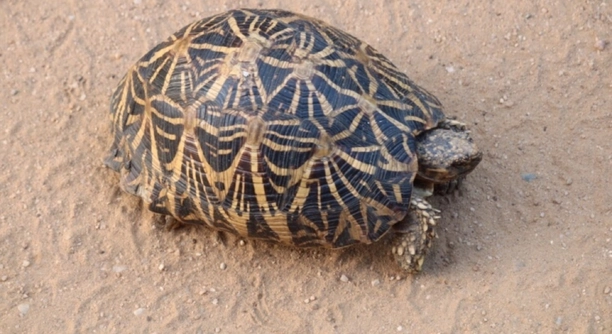
If you’re caring for an Indian Star Tortoise, ensuring they are kept at the right temperature is essential for their well-being. A cold environment can affect their health and behavior, so it’s important to monitor their surroundings.
Your Indian Star Tortoise may show signs of being too cold if they are lethargic, not eating, or spending more time in hiding. This can lead to weakened immune systems and other health issues if not addressed promptly.
By understanding the warning signs of cold stress, you can keep your tortoise comfortable and healthy. There are simple ways to help maintain the right temperature and ensure they thrive in their environment.
Signs Your Indian Star Tortoise Is Too Cold
Indian Star Tortoises are sensitive to temperature changes. When they get too cold, they might stop eating, become less active, or hide more than usual. You may also notice them moving slower or appearing more withdrawn. These are clear signs that your tortoise is struggling to stay warm. Since they are cold-blooded creatures, they rely on external heat sources to regulate their body temperature. If the temperature in their environment is too low, it can lead to stress, poor digestion, and even health problems in the long run.
It’s important to keep their enclosure warm enough for them to stay active and healthy. Too much cold can slow down their metabolism, affecting their ability to digest food and absorb nutrients properly. A tortoise that is too cold will often retreat into its shell and remain inactive, which is not normal behavior.
To prevent these issues, monitor their habitat’s temperature closely. If they seem too cold, consider adjusting their heating source or using a heat lamp to create a warmer environment. It’s best to have a range of temperatures within their habitat, so they can regulate where they go for comfort. Regularly check their behavior and health to ensure they’re staying at a proper temperature.
How to Provide the Right Temperature
To help your Indian Star Tortoise thrive, maintaining a steady temperature in their environment is key.
One of the easiest ways to keep your tortoise warm is by using a heat lamp. Place the lamp above one area of their habitat to create a warm spot where they can bask. The other side of the habitat should be cooler, giving them the option to move between different temperatures. This helps them regulate their body temperature naturally.
Another option is using an under-tank heater or a ceramic heat emitter. These provide consistent heat throughout the day and night, ensuring your tortoise stays warm even after the light turns off. It’s essential to keep the temperature between 80°F to 90°F during the day and slightly cooler at night. Avoid drastic temperature changes, as they can cause stress. Be sure to use a thermometer to monitor the temperature regularly. Also, providing a hideout for your tortoise will allow them to retreat when they need to warm up or cool down. This balance is crucial for their health.
Temperature Control Tools for Your Tortoise
Using the right tools can help maintain a stable temperature for your Indian Star Tortoise.
A good heat lamp is essential for creating a warm basking spot. Choose one with an appropriate wattage to avoid overheating. Placing the lamp on one side of the habitat allows your tortoise to move between warmer and cooler areas. Make sure to position it correctly to prevent burn risks.
Additionally, a digital thermometer and hygrometer will give you accurate readings of both temperature and humidity levels. This helps in adjusting the environment as needed. For night heating, consider using a ceramic heat emitter. It provides warmth without light, allowing your tortoise to sleep undisturbed. These tools are simple but crucial in keeping the enclosure at an ideal temperature.
Setting Up a Safe Habitat for Temperature Regulation
A safe habitat provides your tortoise with the perfect environment to regulate temperature.
Start by using a spacious tank or enclosure, ensuring there’s enough room for the tortoise to move freely between warm and cool areas. You can create this temperature gradient with a heat lamp on one side and a cooler area on the other. Avoid placing the lamp too close to the tortoise to prevent overheating.
Adding a few natural elements, like rocks or logs, can also help. These objects can act as heat retainers, allowing your tortoise to rest in warm spots when needed. Ensure the space is large enough so your tortoise has options and can maintain the right body temperature. Keep the substrate dry but comfortable, as dampness can lead to health problems.
Monitoring Temperature Regularly
Regular temperature checks are key to ensuring your tortoise stays comfortable.
A thermometer placed in both the hot and cool areas of the habitat will help you keep track of the temperature. Check it multiple times a day to make sure the range is consistent. Avoid relying solely on the heat lamp settings, as they can fluctuate.
Consistency in temperature is crucial for digestion and overall health. If temperatures dip too low, your tortoise can become sluggish or stop eating. If they get too hot, it can lead to overheating. Adjust heating tools as needed to maintain stability in their environment.
Providing a Proper Light Cycle
Your Indian Star Tortoise needs a balanced light cycle to stay healthy.
Provide a day and night cycle by using a timer for the heat lamp. The lamp should stay on for about 12-14 hours during the day and turn off at night. This mimics natural sunlight and helps your tortoise maintain its internal clock.
Ensure that the light source is UVB to support the tortoise’s calcium absorption and overall health. UVB is essential for preventing metabolic bone disease. Overexposure to direct light can be harmful, so give them areas to escape to if they need shade.
Avoiding Sudden Temperature Drops
Avoiding sudden drops in temperature is essential for your tortoise’s health.
Rapid changes in temperature can stress your tortoise, making it harder for them to regulate their body temperature. A stable environment is vital to their well-being.
FAQ
How can I tell if my tortoise is too cold?
When your Indian Star Tortoise is too cold, you’ll likely notice changes in its behavior. They may become lethargic, stop eating, or hide more often. If your tortoise is slow to move or stays in one spot for long periods, it could be a sign that it’s struggling to stay warm. Their normal activity levels should include some movement and eating, so a noticeable decrease in either can indicate cold stress. If these signs persist, it’s important to check the temperature of their environment and adjust accordingly.
What temperature should I keep my Indian Star Tortoise at?
The ideal daytime temperature for an Indian Star Tortoise is between 80°F to 90°F (27°C to 32°C). At night, the temperature can drop to around 70°F (21°C), but never below that. Maintaining a temperature gradient in their enclosure is essential, with a warm side where they can bask and a cooler side to retreat to if needed. It’s important to check the temperature frequently, especially in areas where the heat source is used, to make sure it doesn’t get too hot or too cold.
Can my Indian Star Tortoise live outside?
While an Indian Star Tortoise can live outside in the right climate, it’s important to make sure the temperature remains consistent. If you live in a region with a mild climate and no extreme temperature shifts, they can be housed outside in a secure, safe area. However, it’s important to monitor the weather, as they should never be exposed to temperatures lower than 60°F (15°C) for prolonged periods. An outdoor enclosure needs to provide areas for basking and hiding, as well as protection from predators. If temperatures drop at night, you may need to bring them inside or use supplemental heating.
What kind of light should I provide for my tortoise?
Indian Star Tortoises require UVB light to help them absorb calcium and avoid metabolic bone disease. A high-quality UVB bulb should be used in their enclosure, ensuring they get exposure for 10 to 12 hours a day. This can help them maintain a healthy shell and bone structure. The UVB light should be placed within a few inches of the tortoise’s basking spot. Be sure to replace the bulb every 6 to 12 months, as UVB output declines over time. If you’re unsure about the placement, it’s a good idea to consult with a reptile specialist.
What if my tortoise refuses to eat?
If your Indian Star Tortoise is refusing food, it could be a sign that it’s too cold, stressed, or unwell. Start by checking the temperature of their enclosure. A drop in temperature can lead to digestive issues, causing them to lose interest in food. Make sure their habitat is warm enough and they have access to both a basking area and a cooler area. If the temperature is fine, consider whether the food you’re offering is fresh, varied, and suitable for their diet. If they continue to refuse food, consult a veterinarian to rule out any health concerns.
How can I warm up my tortoise if it’s too cold?
If your tortoise appears too cold, the first thing you should do is check the temperature in their enclosure. If it’s too low, use a heat lamp or ceramic heat emitter to warm up the area. Make sure the basking spot is around 90°F (32°C). You can also provide a warm water bath (not hot) to help gently raise their body temperature. Avoid using excessive heat, as it could cause stress or burns. If your tortoise doesn’t seem to improve, contact a vet to ensure there are no underlying health issues.
What are some signs of heat stress in tortoises?
Heat stress can occur if the temperature in your tortoise’s habitat gets too high. Signs of heat stress include excessive panting, staying at the cooler end of their enclosure, and acting sluggish. In some cases, they might attempt to escape the warm area or become more lethargic than usual. If this happens, lower the temperature by moving the heat lamp or turning it off temporarily. Ensure your tortoise has access to cooler areas to regulate their body temperature. Prolonged exposure to high temperatures can be dangerous, so it’s essential to monitor closely.
Should I use a heating pad for my tortoise?
Heating pads can be used for your tortoise, but they are not the best choice for providing overall heat. Instead, a heat lamp or ceramic heater is a more effective way to create a basking area with the right temperature gradient. Heating pads can provide localized heat but may not offer enough coverage for your tortoise to regulate its temperature properly. If you choose to use a heating pad, place it on one side of the tank, ensuring the other side remains cooler. Be cautious of overheating, and always check the pad’s temperature regularly.
Can I use a space heater for my tortoise’s enclosure?
While a space heater can help heat up a room, it is not ideal for directly warming your tortoise’s enclosure. Space heaters tend to heat the entire room, not allowing you to create a specific temperature gradient for your tortoise. It’s better to rely on a heat lamp, ceramic heat emitter, or under-tank heater to provide a more controlled and consistent temperature within their habitat. If you must use a space heater, ensure the room stays at a suitable temperature and that the enclosure itself remains within the proper range.
How often should I check my tortoise’s temperature?
It’s important to check the temperature in your tortoise’s enclosure multiple times a day, especially if you’re using heat lamps or other temperature control devices. Use a thermometer placed in both the warm and cool areas of the habitat to ensure the temperature range is balanced. This is especially important during seasonal changes, when indoor temperatures may fluctuate more. Keeping track of their temperature regularly will help prevent cold or heat stress and ensure your tortoise stays healthy.
When caring for an Indian Star Tortoise, temperature is one of the most important factors to consider. As a cold-blooded animal, it relies on its environment to maintain a healthy body temperature. Too much cold can slow down their metabolism, affect their digestion, and make them more vulnerable to illness. Keeping their habitat at the right temperature ensures they can stay active, eat properly, and thrive. A well-maintained environment will not only improve their quality of life but also help prevent unnecessary health problems down the road.
A simple temperature gradient is the best way to help your tortoise regulate its body temperature. By having both warm and cool areas within the enclosure, your tortoise can move freely to find the temperature it needs. Heat lamps, under-tank heaters, and ceramic heat emitters are all useful tools to help you create this balance. It’s important to regularly check the temperature with a thermometer to make sure the conditions are right. Monitoring temperature changes, especially during colder months, will also help keep your tortoise safe from temperature fluctuations that can lead to stress or illness.
Ultimately, providing the right environment and monitoring the temperature closely is crucial for the health of your Indian Star Tortoise. It’s easy to overlook, but small adjustments to temperature can make a big difference in your tortoise’s well-being. By keeping their enclosure at the right temperature, you’ll help them live a long, happy, and healthy life. Regular checks, along with proper heating and cooling sources, will keep them comfortable and reduce the risk of health problems caused by extreme temperature shifts. It’s about creating a stable, supportive habitat where your tortoise can thrive naturally.

Hello,
If you enjoy the content that we create, please consider saying a "Thank You!" by leaving a tip.
Every little bit helps us continue crafting quality advice that supports the health, happiness, and well-being of pets around the world, for pets of all shapes, sizes, and species.
We really appreciate the kindness and support that you show us!