
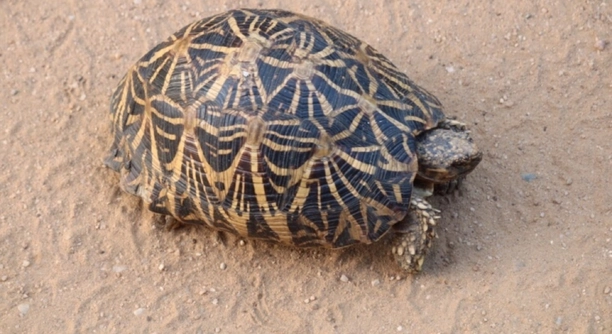
If you’re a proud owner of an Indian Star Tortoise, you might have noticed your pet constantly digging. This behavior can leave many owners puzzled and curious about its causes and whether it’s normal.
The frequent digging behavior in Indian Star Tortoises is often due to natural instincts. These tortoises dig to explore, find food, or create a comfortable spot to rest. This digging is a normal part of their behavior and can also signal stress or an attempt to escape.
Understanding your tortoise’s needs is important for maintaining its well-being. In this article, we’ll explore what’s behind your tortoise’s digging and how to address it.
Natural Instincts and Comfort
Indian Star Tortoises dig as part of their natural instincts. In the wild, they use digging to search for food or create a burrow for protection. They may dig to find cool spots to relax or to regulate their body temperature. Digging is a way for them to feel safe, mimicking their wild environment. It’s also common for them to dig in soft soil, especially if they sense something to explore underneath. For a tortoise, digging is an expression of curiosity and comfort. In captivity, this behavior can remain strong as they try to recreate the conditions they would naturally seek.
Some tortoises might also dig to find moisture or bury themselves when they feel stressed. It’s important to ensure their habitat mimics the wild environment as closely as possible. This can help minimize any distress they may experience while adjusting to their home.
To address this, make sure your tortoise’s enclosure has proper substrates. Provide enough space, moisture, and hiding spots to help them feel secure. Creating an environment that offers both exploration and comfort can help reduce excess digging.
Stress or Health Concerns
Stress is another reason for excessive digging in tortoises. Changes in their environment, like loud noises or sudden temperature fluctuations, may cause them to feel uneasy. If their enclosure is too small, cramped, or lacks proper hiding spots, they might dig to escape. They could also be searching for a more suitable place to burrow or hide from perceived threats. Make sure to monitor your tortoise’s behavior and make adjustments accordingly to reduce stressors in their environment.
If your tortoise digs constantly, check for signs of illness. Over-digging could sometimes be linked to discomfort or pain. Temperature stress, improper lighting, or inadequate diet can all trigger unusual digging. By assessing these factors, you can better understand why your tortoise is behaving this way.
Proper Habitat Setup
The right enclosure is key to minimizing unnecessary digging. Tortoises need a space that provides room for movement, proper lighting, and humidity. An environment too small or poorly equipped will cause them to dig more, looking for comfort. Ensuring they have a suitable space will reduce stress.
If your tortoise’s habitat lacks proper lighting or humidity, it could make them dig as they search for a better spot. Consider using UVB lights to replicate sunlight, and maintain a temperature gradient for comfort. The substrate should be loose enough for digging but not so deep it causes harm.
Make sure your tortoise’s enclosure feels natural and safe. Incorporating elements like rocks, hiding spots, and natural plants can help them feel secure and reduce unnecessary digging. By mimicking their natural surroundings, you can better manage their behavior and ensure their comfort in captivity.
Social Needs
Indian Star Tortoises are generally solitary animals, but they still have social needs. They may dig when they are feeling lonely or are seeking interaction. Over time, these tortoises may become accustomed to the presence of their caretakers or other pets. If they’re left without any interaction, they could dig more as an outlet for frustration.
Understanding this, it’s essential to check how often your tortoise is being stimulated mentally and physically. Enrichment can come in the form of hiding food or offering toys they can interact with. This can provide a distraction from digging. Interaction with you can also help reduce their desire to dig as a form of seeking attention.
Environmental Temperature and Humidity
Temperature and humidity play a huge role in your tortoise’s behavior. If it’s too hot or too cold, they may dig to find a more suitable place to regulate their body temperature. Make sure their enclosure has a temperature gradient.
The ideal temperature range for an Indian Star Tortoise is between 75°F and 85°F (24°C to 29°C). At the warm end, you can use a heat lamp or mat to provide warmth, while the cooler side should offer relief. Along with temperature, humidity levels should also be maintained at around 50-60% to ensure your tortoise feels comfortable and not stressed.
Check that the humidity is balanced. Too much or too little moisture can cause discomfort and make your tortoise dig to escape. Having a thermometer and hygrometer in their habitat will allow you to monitor these conditions.
Feeding Habits
Feeding habits can impact your tortoise’s digging. If they’re not getting enough food or the right kind, they may dig out of frustration. Ensure you’re providing a well-balanced diet of leafy greens, grasses, and some fruits.
Overfeeding or underfeeding can lead to behavior changes. Keep track of your tortoise’s eating habits and adjust their diet accordingly.
FAQ
Why does my Indian Star Tortoise dig so much?
Indian Star Tortoises dig for several reasons, most of which are natural behaviors. They may be searching for food, looking for a cooler or warmer spot, or trying to create a comfortable resting place. Digging also helps them regulate their body temperature and humidity, which is essential for their well-being. In captivity, it may be a sign of stress if their environment is not meeting their needs, such as inadequate space or improper temperature. If they are not feeling secure, they may dig to escape or find a more suitable hiding spot.
How can I stop my tortoise from digging so much?
To reduce digging, ensure your tortoise’s habitat is large enough and well-equipped. A spacious enclosure with the proper temperature gradient and humidity will help them feel secure. If you provide hiding spots, rocks, and elements from their natural habitat, they are less likely to dig excessively. Regular interaction and mental stimulation, such as hiding food or providing toys, can help distract them from digging. Reducing stress and maintaining a balanced environment will help minimize this behavior.
Can excessive digging be a sign of illness?
Yes, excessive digging can sometimes indicate health problems. If your tortoise is digging more than usual and appears lethargic, refuses food, or exhibits other unusual behaviors, it may be a sign of illness. Temperature stress, dehydration, or other underlying health issues can cause tortoises to dig in an attempt to find comfort. It’s important to monitor your tortoise for any other symptoms of illness and seek veterinary care if you are concerned.
Is it normal for my tortoise to dig at night?
Tortoises are often more active during dawn and dusk, as they are naturally crepuscular creatures. Digging at night can be normal if they are trying to find a comfortable spot to sleep. However, if they are digging excessively or seem restless, it might indicate that their environment is not ideal. Check their habitat for temperature fluctuations or other conditions that may be causing them discomfort during nighttime.
What type of substrate is best for an Indian Star Tortoise to dig in?
The best substrate for an Indian Star Tortoise should be soft enough for them to dig but also safe and easy to maintain. A mix of coconut coir, sphagnum moss, and organic soil can provide the right texture for digging. Avoid using substrates like sand, which can be harmful if ingested, or overly wet materials that can cause mold or bacteria growth. You can also add small rocks or bark for variety and stimulation.
How often should I clean the tortoise’s enclosure if they dig a lot?
Cleaning the enclosure regularly is important, especially if your tortoise digs a lot. Remove waste daily and spot-clean the substrate. Once a week, you should thoroughly clean the enclosure, including replacing the substrate if necessary. Make sure to maintain proper hygiene to avoid any bacteria or fungus buildup that could harm your tortoise’s health.
How can I tell if my tortoise is digging due to stress?
If your tortoise’s digging is due to stress, it may show other signs like loss of appetite, lethargy, excessive hiding, or aggression. Stress can also be triggered by sudden changes in their environment, overcrowding, or insufficient hiding spots. A stressed tortoise may dig more frantically or at odd hours. Ensuring a stable and secure environment, with proper temperatures and humidity, will help reduce stress-induced digging.
Can I add another tortoise to the enclosure if my tortoise is digging a lot?
Adding another tortoise may not always solve the issue of excessive digging. Tortoises are solitary creatures by nature, and introducing another one could create competition, stress, or aggression. If you do decide to add another tortoise, make sure both have enough space, hiding spots, and resources. It’s important to monitor their interactions and be prepared to separate them if necessary. The focus should still be on creating the right environment for your tortoise to feel comfortable and safe.
What should I do if my tortoise keeps digging and trying to escape?
If your tortoise is digging to escape, it could be a sign of stress or that its enclosure is too small. First, check the size of their habitat and make sure it is large enough for them to move around freely. Ensure the habitat has the right temperature gradient, humidity, and hiding spots. Adding more natural elements like rocks, plants, or logs can help them feel secure. If the digging persists, try increasing your interaction with them and offering enrichment, such as hiding food, to keep them occupied.
Final Thoughts
Digging is a natural behavior for Indian Star Tortoises and can often be seen as part of their instinct to explore, regulate temperature, or create a safe space. Understanding why they dig helps ensure that they are not stressed or uncomfortable. When your tortoise digs, it’s usually trying to mimic behaviors it would engage in the wild, like searching for food or creating a burrow. In captivity, it’s important to meet their needs for space, proper temperatures, and humidity to help reduce unnecessary digging. Providing a comfortable environment can go a long way in keeping your tortoise happy and healthy.
While some digging is completely normal, it’s also essential to recognize when the behavior may be a sign of something else. If your tortoise’s digging becomes excessive, or if it’s accompanied by other signs like loss of appetite or lethargy, it might indicate stress or health concerns. Factors like poor habitat conditions, temperature issues, or even loneliness can cause your tortoise to dig more than usual. Monitoring their overall behavior and health can help you catch any underlying problems early. If you’re unsure, it’s always a good idea to consult a vet who specializes in reptiles.
In summary, digging is a natural, often harmless behavior for Indian Star Tortoises. Still, it’s important to ensure their environment is well-suited to their needs to keep them comfortable. Addressing their physical and emotional needs, like providing enough space and mental stimulation, can help reduce unnecessary digging. By understanding what drives this behavior and adjusting their habitat and care routine accordingly, you can create a space where your tortoise feels safe and secure. A well-maintained habitat is key to keeping your tortoise content, and with the right care, you can enjoy watching them thrive.

Hello,
If you enjoy the content that we create, please consider saying a "Thank You!" by leaving a tip.
Every little bit helps us continue crafting quality advice that supports the health, happiness, and well-being of pets around the world, for pets of all shapes, sizes, and species.
We really appreciate the kindness and support that you show us!