
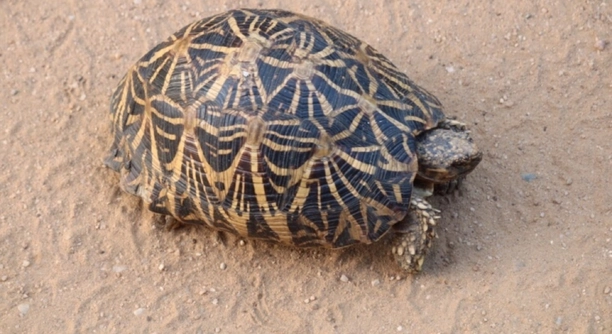
The Indian Star Tortoise is a fascinating reptile, known for its distinctive shell and unique features. These creatures have many surprising aspects of their anatomy that are worth exploring. Understanding these details helps appreciate their amazing adaptations.
The Indian Star Tortoise has specialized anatomy suited for protection and survival. Its domed shell is designed for defense, while its strong legs and claws assist with movement and digging. These features are key to its survival in harsh environments.
Learning about their unique traits can help us understand how these tortoises thrive. From their shells to their behavior, there’s much more to discover.
The Unique Shell of the Indian Star Tortoise
The most striking feature of the Indian Star Tortoise is its shell. It’s not just decorative—this hard, domed structure serves as armor for protection. The star-shaped patterns on the shell are unique to each individual, much like fingerprints in humans. The shell is made of keratin, the same material that makes up human hair and nails. Beneath the hard surface, the tortoise’s ribs and spine are fused with the shell, offering even more protection. Over time, the shell grows along with the tortoise, adapting to the size of the animal. These shells are lightweight but sturdy enough to shield the tortoise from predators.
The star patterns on the shell are more than just pretty designs. They also help the tortoise blend into its environment, providing camouflage in the dry, rocky areas it calls home. This is an essential survival tactic, as the Indian Star Tortoise often faces threats in the wild.
Understanding how their shell works gives insight into their survival strategies. The evolution of their shell is an excellent example of nature’s ingenious design.
Strong Legs and Claws for Movement
The Indian Star Tortoise’s legs and claws are built for a variety of tasks. These features allow the tortoise to move across difficult terrains, whether it’s rocky ground or thick brush.
The legs are strong and muscular, designed for walking long distances. They help the tortoise dig as well, creating burrows that provide shelter. The claws also come in handy for gripping and climbing over obstacles when necessary. This combination of strength and agility ensures the tortoise is well-equipped for the harsh conditions it often faces in its natural habitat.
Having strong limbs allows the tortoise to carry its heavy shell with relative ease. These physical attributes are key to the tortoise’s ability to thrive in its environment.
Adaptations for Dry Environments
The Indian Star Tortoise is built for survival in dry, hot climates. Its body has unique adaptations that help it conserve water. It can go without drinking for long periods, relying on the moisture found in plants.
This tortoise also has specialized kidneys that help it efficiently process water, retaining as much as possible. The tortoise’s diet plays a role here too. It primarily eats grasses and succulents, plants that are rich in moisture. Its ability to withstand dehydration is a major survival trait, as the areas it inhabits can experience extreme conditions.
Thanks to its ability to store and retain water, the Indian Star Tortoise can survive in regions with low rainfall. These adaptations make it well-suited to the arid landscapes of India.
Protective Behavior of the Indian Star Tortoise
When threatened, the Indian Star Tortoise instinctively hides inside its shell for protection. This behavior is crucial for its safety and survival.
The tortoise’s shell acts like a shield, offering it a refuge from predators. In the wild, threats can come from birds of prey or larger mammals. The tortoise’s slow movement and defensive behavior help it avoid danger, often remaining still until the threat passes. When in danger, it may pull its head, legs, and tail fully into the shell, hiding any vulnerable spots.
This behavior is a key survival mechanism. By retreating into its shell, the tortoise minimizes its risk of injury. It’s a simple but effective way to stay safe.
The Tortoise’s Efficient Diet
The Indian Star Tortoise has a herbivorous diet that helps it thrive in arid conditions. It mainly feeds on grasses, fruits, and succulents, which provide hydration and essential nutrients. Its diet supports its ability to go without water for extended periods.
The tortoise’s digestive system is specially adapted to process this type of food. Its long intestines allow for the slow breakdown of plant material, ensuring that it absorbs as much moisture and nutrition as possible. This slow digestion helps it stay nourished despite the lack of constant water sources in its environment.
Their food sources are rich in fiber and moisture, which keeps the tortoise hydrated. This helps it conserve energy and remain healthy over long periods.
Strong Senses for Survival
The Indian Star Tortoise relies heavily on its senses to navigate its environment. Its keen sense of smell helps it find food and detect danger.
It uses its sharp sense of smell to locate food sources, primarily vegetation, in its dry surroundings. The tortoise’s eyes are adapted to detect movement, helping it identify potential predators. Though it has limited vision, it relies on its other senses, like smell and hearing, to stay alert and survive. This makes it well-equipped to survive in its harsh environment.
Shell Growth and Lifespan
The Indian Star Tortoise has a slow growth rate and a long lifespan. Its shell grows throughout its life, becoming larger and more robust as the tortoise matures.
The tortoise’s lifespan can reach up to 50 years or more, depending on its environment and care. As it ages, its shell becomes more heavily armored, providing better protection from predators and harsh weather. This long lifespan allows the tortoise to live through many environmental changes and continue thriving in its habitat.
FAQ
What is the lifespan of the Indian Star Tortoise?
The Indian Star Tortoise has a long lifespan, typically living anywhere from 30 to 50 years, sometimes even longer in captivity with proper care. In the wild, factors like predators, habitat loss, and food availability can influence its lifespan. With the right conditions and protection, it can live to a ripe old age, allowing it to mature and develop its full physical features, such as a more prominent and durable shell. They are slow-growing, and this gradual development contributes to their long lives.
How does the Indian Star Tortoise protect itself from predators?
The Indian Star Tortoise’s primary defense mechanism is its hard, domed shell. When threatened, it pulls its head, legs, and tail into the shell, creating a nearly impenetrable shield. Its shell is not just an external covering but an integrated part of its body structure, fused with the spine and ribs. This offers excellent protection from most predators, such as birds of prey, larger mammals, and reptiles. Additionally, its dull coloring helps it blend in with the natural surroundings, which also reduces the chances of being spotted by predators.
What do Indian Star Tortoises eat?
Indian Star Tortoises are herbivores, with a diet that consists primarily of grasses, fruits, flowers, and succulents. In the wild, they forage for food during the cooler parts of the day, especially in the early morning or late afternoon. Their diet is rich in fiber and moisture, which helps them survive in arid environments. They can go without drinking water for long periods, as the moisture from the plants they consume provides enough hydration. In captivity, it’s important to provide a varied diet of leafy greens and some fruits to ensure they get all necessary nutrients.
Do Indian Star Tortoises need a lot of space?
Yes, Indian Star Tortoises require plenty of space to roam. In the wild, they live in large areas where they can forage, bask in the sun, and hide from predators. In captivity, they should be provided with as much space as possible to mimic their natural environment. A spacious enclosure is essential for their well-being, allowing them to move freely and exercise. It is also important to have different areas for basking, hiding, and eating, as this will contribute to their overall health and happiness.
How do I take care of an Indian Star Tortoise as a pet?
Taking care of an Indian Star Tortoise involves providing a proper habitat, a balanced diet, and regular medical check-ups. For the habitat, you need a spacious enclosure with a temperature gradient, meaning warmer areas for basking and cooler areas for hiding. The substrate should be dry and allow for burrowing. Offer a diet of leafy greens, grasses, and occasional fruits. It’s crucial to provide UVB lighting to simulate sunlight and promote calcium absorption for shell health. Regular hydration and the proper humidity levels are essential as well. Ensure your tortoise has room to roam, as this keeps them active and reduces stress.
Do Indian Star Tortoises need sunlight?
Yes, Indian Star Tortoises need sunlight for several reasons, including the production of vitamin D3, which helps them absorb calcium. In the wild, they bask in the sun during the day to regulate their body temperature and receive necessary sunlight exposure. In captivity, it’s important to provide UVB lighting if natural sunlight is unavailable, especially if they are kept indoors. Lack of proper sunlight can lead to health problems like shell deformities and weakened bones. Outdoor enclosures should have access to direct sunlight, but always ensure that your tortoise has a shaded area to escape the heat when needed.
Can Indian Star Tortoises live with other animals?
Indian Star Tortoises are generally solitary creatures. While they may tolerate the presence of other tortoises of the same species, they should not be housed with other types of animals unless you are sure they won’t become stressed or threatened. Introducing them to new animals, especially predators or other reptiles, can be risky. They may get injured or become overly stressed, which can negatively affect their health. It’s best to house them separately, ensuring their space is respected and they feel safe in their environment.
What is the best temperature for an Indian Star Tortoise?
The ideal temperature for an Indian Star Tortoise should range between 75°F and 95°F during the daytime. The warm area of the enclosure, where the tortoise can bask, should be around 90°F to 95°F. The cooler areas of the habitat should be around 75°F to 80°F. At night, temperatures should drop slightly but remain above 70°F. This range allows the tortoise to regulate its body temperature, which is vital for digestion and overall health. It’s important to monitor the temperature regularly and adjust the heating accordingly, especially if the tortoise is housed indoors.
How can I tell if my Indian Star Tortoise is healthy?
A healthy Indian Star Tortoise should have a strong, smooth shell that is free from cracks or deformities. It should be active, alert, and able to move without difficulty. The eyes should be clear, without discharge, and the nostrils should not be blocked or runny. Healthy tortoises also have a good appetite and maintain a consistent weight. If your tortoise is lethargic, refuses to eat, or shows signs of respiratory distress, it’s important to consult a veterinarian who specializes in reptiles. Regular health check-ups are key to preventing any underlying health issues.
Can Indian Star Tortoises swim?
Indian Star Tortoises are not strong swimmers. They are land-dwelling creatures and are adapted to life on solid ground. While they may enjoy wading in shallow water, they are not built for swimming in deep water. In fact, prolonged exposure to water can be harmful to them, as they are prone to drowning if submerged for too long. It’s essential to avoid placing them in water that’s too deep, ensuring that they have access to shallow areas if they wish to drink or soak.
Final Thoughts
The Indian Star Tortoise is a remarkable animal, well-suited to life in dry and challenging environments. Its unique shell, which serves as both protection and camouflage, is a key feature that helps it survive in the wild. Over time, this species has developed several traits that allow it to thrive in its native habitat, from its efficient water-conserving abilities to its strong legs and claws for movement. These characteristics make the Indian Star Tortoise an incredibly resilient and adaptive creature, capable of handling the difficulties of its environment.
When cared for properly, Indian Star Tortoises can make wonderful pets. They require specific conditions, such as proper temperature, a balanced diet, and sufficient space to roam. A well-maintained habitat with UVB lighting and the right humidity is essential for their health. Although they can live for decades, they are slow-growing, meaning their care must be long-term. Keeping one of these tortoises as a pet means committing to their needs for the long haul, ensuring they have the space, nutrition, and care required for their wellbeing.
However, it’s important to remember that Indian Star Tortoises are vulnerable in the wild due to habitat destruction and illegal poaching. Efforts to protect them and their natural habitat are essential for their survival in the future. If you are considering adopting one, it’s critical to ensure that it has been ethically sourced. By understanding the anatomy, behavior, and needs of this species, we can both appreciate and help conserve these beautiful creatures.

Hello,
If you enjoy the content that we create, please consider saying a "Thank You!" by leaving a tip.
Every little bit helps us continue crafting quality advice that supports the health, happiness, and well-being of pets around the world, for pets of all shapes, sizes, and species.
We really appreciate the kindness and support that you show us!