
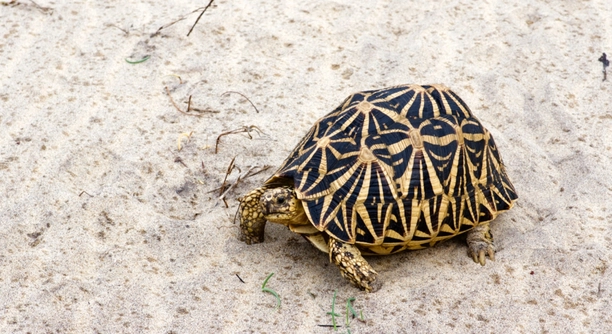
Indian Star Tortoises are fascinating creatures, loved for their unique patterns and calm nature. To keep them healthy and happy, understanding their needs is essential. These gentle reptiles require special attention to thrive in a home environment.
To ensure the well-being of your Indian Star Tortoise, provide the proper habitat, diet, and care. This includes creating an environment with the right temperature, offering nutritious food, and maintaining a clean and safe living space.
Taking the right steps will help your tortoise lead a happy, healthy life. By making sure their needs are met, you’ll avoid common issues and create a better environment for your pet.
Creating the Right Habitat for Your Indian Star Tortoise
A proper habitat is crucial for the well-being of your Indian Star Tortoise. It should mimic its natural environment as closely as possible. These tortoises enjoy warm, dry climates, so setting up a space with the right temperature is essential. A basking area with temperatures around 95°F (35°C) should be paired with a cooler zone, ranging from 75°F (24°C) to 85°F (29°C). Providing enough space for movement is also important, as these tortoises are active and need room to explore.
A large, enclosed area with proper lighting is key for your tortoise’s health. UVB lighting will help your pet absorb calcium, promoting strong bones and overall well-being. The substrate should be dry and easy to clean, such as coconut coir or a mixture of soil and sand. Avoid using cedar or pine chips, as they can be harmful. Additionally, make sure to add some hiding spots and areas where your tortoise can retreat when feeling stressed.
Keeping a clean habitat will reduce the risk of infections. Change the water regularly and provide a shallow dish for drinking. By creating a space that mimics nature, you’re setting your tortoise up for success.
Feeding Your Indian Star Tortoise
A proper diet ensures the health of your Indian Star Tortoise. Their diet should consist mainly of high-fiber plants like grasses, weeds, and leafy greens.
Feeding them the right food supports their digestive system and overall health. While they can also enjoy fruits and vegetables occasionally, it’s important to avoid too much protein, as it can lead to kidney problems.
Providing Proper Lighting and Heating
Tortoises need both UVB lighting and heat to stay healthy. UVB light helps them produce vitamin D3, which is crucial for calcium absorption. Without it, they may suffer from metabolic bone disease. A heat lamp should be placed above their basking spot, providing warmth during the day.
Make sure the UVB light is on for about 10 to 12 hours a day, and the heat lamp can be kept on for the same period. At night, a drop in temperature is fine, but avoid sudden drops that can stress your tortoise. It’s also important to replace the UVB bulbs every six months, as they lose their effectiveness over time. Be mindful of the distances between the lights and the tortoise’s habitat to ensure they get the right amount of exposure without being too close or too far.
Use a thermometer and UVB meter to monitor the temperature and light levels accurately. This way, you can make adjustments to maintain a stable environment.
Watering Your Indian Star Tortoise
Keeping your tortoise hydrated is essential, but it’s not always obvious how much water they need. Provide fresh, clean water daily in a shallow dish. Make sure it’s deep enough for them to soak in but not so deep that they can’t get out easily.
Tortoises also get water from their food, especially if you offer hydrating vegetables and leafy greens. Soaking your tortoise once a week can also be beneficial for hydration. Gently place them in a shallow bath and let them soak for 15 to 20 minutes. This helps prevent dehydration and supports their overall health.
Regular Health Check-ups
Your Indian Star Tortoise needs regular health check-ups to stay in good shape. A vet experienced with reptiles can help spot any issues early. Routine exams will help ensure their shell, eyes, and skin are healthy.
You should also keep an eye out for any signs of illness. A healthy tortoise should be active and alert, with clear eyes and a smooth shell. If you notice any changes in behavior or appearance, it’s time for a vet visit.
Managing Shell Care
Taking care of their shell is an important part of their health. It should be clean and free from cracks or sores.
Make sure they get the proper nutrients and UVB light for shell growth. If you notice any damage, it’s essential to consult a vet immediately.
FAQ
How much space does an Indian Star Tortoise need?
Indian Star Tortoises need enough room to roam and explore. For a single tortoise, a minimum of 40 square feet of space is recommended. A larger enclosure is better, allowing them to move freely, exercise, and find their food. If you keep more than one tortoise, the space requirement increases. An enclosure that is too small can lead to stress and behavioral issues. The enclosure should also have a mix of basking areas, cool zones, and hiding spots to replicate their natural environment.
What should I feed my Indian Star Tortoise?
A healthy diet for an Indian Star Tortoise consists mostly of grasses, leafy greens, and weeds. Offer a variety of plants, such as dandelion greens, clover, and hibiscus leaves. Some vegetables like squash or bell peppers can be given occasionally, but fruits should be rare due to their sugar content. Avoid feeding them high-protein foods like meat or processed foods. Always provide fresh, clean water for drinking and soaking. A well-balanced diet ensures they get the necessary vitamins and minerals to stay healthy.
How often should I bathe my Indian Star Tortoise?
Soaking your Indian Star Tortoise once a week is a good practice. It helps with hydration and keeps their skin and shell healthy. You can soak them in a shallow dish or tub with lukewarm water for about 15 to 20 minutes. Make sure the water is not too deep so they can easily climb out. Some tortoises may enjoy soaking more often, especially in dry conditions, but it’s important not to overdo it. After soaking, dry them gently with a towel and return them to their habitat.
How can I tell if my Indian Star Tortoise is healthy?
A healthy Indian Star Tortoise will have clear, bright eyes and a smooth, well-shaped shell. They should be active and move around their enclosure. Their appetite should be good, and they should be able to eat and digest food without issue. If your tortoise seems lethargic, isn’t eating, or shows any signs of a swollen or soft shell, this may indicate a health issue. Any changes in behavior, such as excessive hiding or changes in their droppings, should also be investigated by a vet.
What temperature should I maintain in their enclosure?
The temperature should vary within the enclosure. The basking spot should be around 95°F (35°C), while the cooler area should be between 75°F and 85°F (24°C–29°C). These tortoises require a temperature gradient to regulate their body temperature. At night, the temperature can drop to around 70°F (21°C). Ensure the temperature is stable throughout the day, and always use a thermometer to monitor it. If the environment is too cold, your tortoise could become lethargic or have difficulty digesting food.
Can Indian Star Tortoises live outdoors?
Yes, Indian Star Tortoises can live outdoors, provided the climate is warm and safe. If you live in a region with mild temperatures, you can create an outdoor enclosure for your tortoise. Ensure it is secure, as they can easily escape, and it should be protected from predators. The outdoor habitat should offer shady spots, a basking area, and a place for them to hide. It’s important to monitor the weather and bring your tortoise inside if temperatures drop too low or if there’s any rain. Outdoor living is great for providing natural sunlight, but only if it’s safe.
How long do Indian Star Tortoises live?
Indian Star Tortoises can live for several decades. In the wild, they can live up to 50 years or more, while in captivity, they can live for 30 years or longer with the proper care. Their lifespan depends on factors such as diet, habitat, and general health. Regular check-ups and maintaining the right living conditions will ensure your tortoise stays healthy for as long as possible. A long life requires consistent care and attention, but the reward is a lifelong companion.
Do Indian Star Tortoises need companionship?
Indian Star Tortoises are generally solitary animals. They do not need companionship to be happy and can do well on their own. However, if you choose to keep more than one, be mindful of their social behavior. Tortoises can become territorial, especially during breeding seasons, so it’s important to ensure there’s enough space and resources for each one. If you notice signs of aggression or stress, separating them might be necessary. Socialization with other animals, such as other reptiles or pets, should be avoided to prevent stress.
Can I handle my Indian Star Tortoise?
Indian Star Tortoises can be handled, but it’s important to do so gently and infrequently. While they are not aggressive, they are also not particularly fond of being picked up regularly. Avoid lifting them by their shells, as it can cause stress and harm. Instead, scoop them up carefully from underneath, supporting their body properly. Always wash your hands after handling them, as reptiles can carry bacteria. Regular handling can help them become more accustomed to you, but too much can cause anxiety, so be mindful of their comfort.
Final Thoughts
Caring for an Indian Star Tortoise requires attention to detail and commitment, but it is rewarding. These tortoises need a proper environment to thrive, which includes appropriate space, heating, and lighting. Maintaining the right temperature gradient in their enclosure is key to ensuring their comfort. Along with proper lighting, a healthy diet of leafy greens, grasses, and the occasional vegetable or fruit will keep them nourished and happy. The right balance of food and hydration is essential for their health and longevity.
Keeping your tortoise’s habitat clean and safe will also help prevent health issues. Regular soaking helps with hydration, and a clean water dish should always be available. Monitoring their behavior, shell condition, and overall health is essential for spotting any early signs of illness. Regular vet check-ups can ensure that your tortoise stays healthy for many years to come. By following these steps, you provide your Indian Star Tortoise with a high-quality life, which in turn benefits you by fostering a strong bond between you and your pet.
Finally, it’s important to remember that Indian Star Tortoises can live for several decades. This makes them a long-term commitment, but one that can bring a lot of joy. If you’re ready to meet their needs, they will reward you with their unique charm and beauty. By understanding their requirements and providing them with the care they deserve, you’re setting the stage for a happy, healthy life for your tortoise.

Hello,
If you enjoy the content that we create, please consider saying a "Thank You!" by leaving a tip.
Every little bit helps us continue crafting quality advice that supports the health, happiness, and well-being of pets around the world, for pets of all shapes, sizes, and species.
We really appreciate the kindness and support that you show us!