
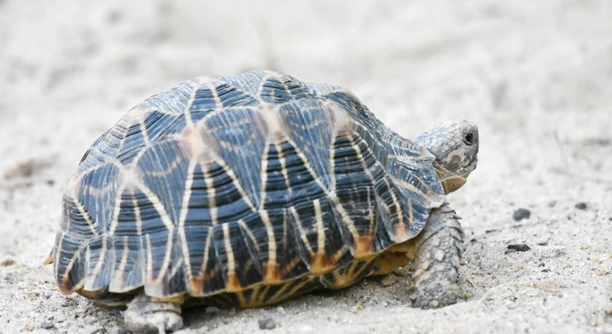
Building a portable enclosure for your Indian star tortoises can be both rewarding and practical. Whether you’re a beginner or experienced, knowing the best techniques ensures that your tortoises stay comfortable while getting the right amount of sunlight and space.
A well-designed portable enclosure should provide your Indian star tortoises with sufficient space, proper ventilation, and access to sunlight. Materials like mesh, plastic, or wood work best, as they are durable and can withstand outdoor conditions. Ensure the structure is secure and comfortable for the tortoises.
Learning how to make a portable enclosure will help your tortoises thrive and stay safe. These tips are perfect for setting up an enclosure that suits their needs.
Materials Needed for a Portable Tortoise Enclosure
To start building your portable tortoise enclosure, it’s important to choose the right materials. Strong, lightweight materials are ideal for mobility and durability. You’ll need mesh for ventilation, waterproof plastic or wood for structure, and a solid base like plywood or plastic sheeting to prevent leaks. It’s also essential to consider weather resistance, especially if you plan on moving the enclosure outdoors. This will ensure that your enclosure can handle rain, sun, and even rough conditions without degrading quickly.
When selecting your materials, avoid anything toxic or unsafe for the tortoises. Make sure any treated wood is non-toxic or use untreated wood, which is safer. Some people also add natural elements like rocks or logs to enhance the environment.
Additionally, adding a locking mechanism is a good idea. Tortoises are curious and will explore their surroundings. A sturdy latch can help keep them safe and contained while allowing easy access for cleaning or adjustments. Consider size and strength when choosing materials to ensure long-lasting protection.
Size and Design Considerations
The size of the enclosure is crucial for comfort and mobility. A tortoise enclosure should provide enough space for them to roam around and get exercise.
Ensure that the design includes enough room for your tortoises to move freely. You might want to incorporate raised sections or hideouts that provide natural resting areas. Avoid overcrowding, and make sure the space is not too cramped, as tortoises need room to grow and thrive.
Ensuring Proper Ventilation
Ventilation is key to maintaining a healthy environment inside your tortoise enclosure. Without proper airflow, humidity can build up, which is unhealthy for your tortoises.
Use mesh panels or ventilated walls to ensure adequate airflow. This will help keep the air circulating and prevent moisture buildup. When selecting mesh, make sure the holes are small enough to prevent escape but large enough for proper ventilation. Consider the size of the tortoise, as larger tortoises may need more airflow.
Additionally, having adjustable vents allows you to control the airflow depending on weather conditions. On hot days, more ventilation may be needed, while cooler days might require less airflow. Keeping the air moving will help your tortoises thrive.
Creating a Secure Foundation
A strong and secure foundation is essential for the safety of your tortoises. The base should be solid enough to prevent the enclosure from tipping over or shifting easily.
Use a sturdy material, such as plywood or thick plastic, to create a secure floor for the enclosure. Ensure that it is smooth and easy to clean, as tortoises can be messy. Adding a shallow layer of soil or sand will mimic their natural habitat, offering a comfortable surface for them to walk on. Keep the edges sealed to prevent any gaps where your tortoises might escape.
Check for sharp edges or hazards that could harm your tortoises. Even small gaps can be dangerous, as they may get stuck or injured. Regularly inspect the foundation to make sure it remains secure and safe for your tortoises.
Adding a Roof for Protection
A roof is necessary to shield your tortoises from the elements. It protects them from rain, intense sun, and even predators.
Make sure the roof is weatherproof, using materials like waterproof plastic or treated wood. Consider adding a slight incline to allow rainwater to drain off easily. This will prevent puddles from forming and keep the enclosure dry.
Ensure the roof is secure but can also be easily removed or adjusted for cleaning and ventilation. You don’t want the roof to be too heavy or difficult to handle.
Keeping the Enclosure Clean
A clean environment is crucial for your tortoises’ health. Regular cleaning will prevent bacteria buildup and ensure a comfortable living space.
Use a mild soap solution or reptile-safe cleaner for cleaning the walls and floor. Clean the substrate weekly, removing waste and replacing it with fresh materials. A sanitized enclosure reduces the risk of infections and keeps the air fresh for your tortoises.
Providing Access to Sunlight
Tortoises need sunlight for vitamin D production, which is essential for their health. If the enclosure is kept outdoors, ensure they have access to sunlight during the day.
If indoors, you might need a UVB light source to mimic natural sunlight.
FAQ
What size enclosure do I need for my Indian star tortoises?
The size of the enclosure depends on how many tortoises you have. A single Indian star tortoise should have at least 4×2 feet of space. If you have multiple tortoises, increase the size accordingly. Tortoises need room to roam and explore, so providing a larger space ensures they are comfortable. A smaller space may stress them out and limit their natural behaviors. Make sure the walls are high enough to prevent them from climbing out.
How often should I clean the enclosure?
Cleaning the enclosure should be done at least once a week. Remove any waste, uneaten food, and soiled substrate. The walls and floors should be wiped down with reptile-safe cleaning solutions to prevent bacteria buildup. The substrate should be replaced regularly, as it can harbor germs. Keep the enclosure dry to avoid mold growth, which can harm your tortoises. Regular cleaning will help keep the environment fresh and reduce the risk of health problems.
Can I use sand or soil in the enclosure?
Yes, sand and soil are suitable substrates for Indian star tortoises, but make sure they are non-toxic. A mix of sand and organic soil can mimic their natural habitat and allow for burrowing behaviors. The substrate should be deep enough for your tortoises to dig in, but not so deep that it could cause them to get stuck. Avoid using synthetic materials or gravel, as they may cause harm if ingested.
Do I need to provide a water source?
Yes, it’s important to provide fresh water in the enclosure at all times. Indian star tortoises need access to water for drinking and bathing. A shallow dish works best, as it allows them to drink easily without risking drowning. Change the water daily to keep it clean and free from contaminants. Occasionally, you can offer a shallow water dish for them to soak in, which will help with hydration and shell health.
What kind of temperature should the enclosure have?
Indian star tortoises are cold-blooded and need a temperature gradient in their enclosure. The basking area should be around 90-95°F, while the cooler side should range from 75-80°F. This gradient allows them to regulate their body temperature. If the enclosure is kept outdoors, make sure there is a shaded area to provide relief from the sun. Indoor enclosures may require a heat lamp to maintain the right temperatures. Always monitor the temperature with a thermometer.
Can I keep more than one tortoise in the same enclosure?
Yes, you can keep more than one Indian star tortoise in the same enclosure, but it’s important to monitor their behavior. If the enclosure is large enough, multiple tortoises can coexist peacefully. However, some tortoises may be territorial, and aggressive behavior may occur, especially if there are not enough hiding spots or food resources. It’s a good idea to introduce new tortoises slowly and ensure they have enough space to avoid stress.
What do Indian star tortoises eat?
Indian star tortoises are herbivores and primarily eat grasses, leafy greens, and flowers. Their diet should consist of a variety of dark, leafy vegetables like dandelion greens, collard greens, and mustard greens. Avoid feeding them iceberg lettuce, as it offers little nutritional value. You can also provide occasional fruits like apples and melons, but these should be given in moderation. Dusting their food with calcium powder ensures they get the right nutrients for healthy bone growth.
Do I need to provide UVB lighting for indoor enclosures?
Yes, UVB lighting is essential for tortoises kept indoors. UVB helps them produce vitamin D3, which is necessary for calcium absorption and shell health. If your tortoises are not exposed to natural sunlight, a UVB bulb should be used. The light should be positioned directly over the basking area to ensure your tortoises get enough exposure. Replace the UVB bulb every 6-12 months, as its effectiveness diminishes over time.
How can I keep my tortoises from escaping the enclosure?
Ensure the walls of the enclosure are high enough to prevent your tortoises from climbing out. Indian star tortoises are not great climbers, but they can still find ways to escape if the walls are low. A secure lid or top will prevent escape if the enclosure is open. Additionally, check for gaps or weak spots where your tortoises could get through. Regularly inspect the enclosure to make sure it remains secure.
What should I do if my tortoise seems sick?
If your tortoise is showing signs of illness, such as lethargy, loss of appetite, or a swollen shell, it’s important to seek veterinary care immediately. A reptile vet can diagnose and treat health problems. You should also check the enclosure conditions, such as temperature and humidity, to ensure they are within the proper range. Maintaining a clean environment, a balanced diet, and proper hydration are key to preventing illness in the first place.
Can I take my tortoise outside?
Yes, you can take your tortoise outside, but be cautious about the weather. Indian star tortoises enjoy the sun and fresh air, but they should be supervised while outside to prevent them from escaping or encountering predators. Make sure the area is safe, and avoid placing your tortoise in areas with strong winds or excessive heat. Also, ensure that there are no toxic plants nearby that your tortoise might nibble on. When bringing your tortoise back inside, make sure to clean them off if they’ve been exposed to dirt or chemicals.
Final Thoughts
Building a portable enclosure for your Indian star tortoises can be a rewarding project, as it provides a safe and comfortable space for them to thrive. Whether you choose to build the enclosure from scratch or purchase a pre-made one, it’s important to focus on the essentials—adequate space, proper ventilation, and access to natural light. Creating an environment that mimics their natural habitat will ensure your tortoises stay healthy and happy.
Don’t forget that temperature regulation and shelter are key elements in keeping your tortoises safe. With a roof to protect them from the elements and a carefully managed temperature gradient, your tortoises can stay comfortable year-round. A water source and a proper diet are also critical to their overall health, so make sure to provide fresh water and a variety of nutritious foods. The small details, such as adding hiding spots or arranging the enclosure in a secure location, will make a big difference in your tortoises’ well-being.
Finally, it’s essential to regularly maintain the enclosure to ensure a clean and healthy environment. Check the temperature, humidity, and cleanliness frequently. Regularly replacing the substrate, cleaning the walls, and removing waste are all important tasks that prevent health issues and stress. With the right setup and care, your Indian star tortoises will have a long, comfortable life in their new portable home.

Hello,
If you enjoy the content that we create, please consider saying a "Thank You!" by leaving a tip.
Every little bit helps us continue crafting quality advice that supports the health, happiness, and well-being of pets around the world, for pets of all shapes, sizes, and species.
We really appreciate the kindness and support that you show us!