
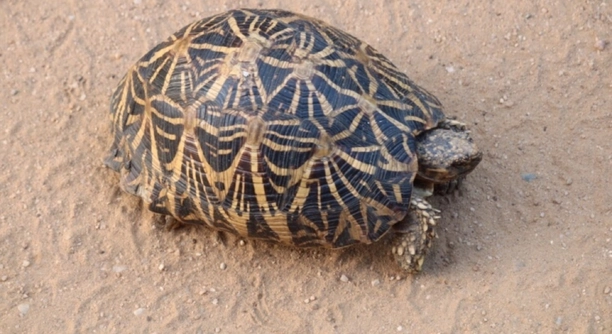
Indian star tortoises thrive in warm environments, as their natural habitat consists of dry, sunny areas. These reptiles are adapted to heat, and they rely on warmth for various biological functions. Understanding their needs can help ensure their well-being.
Indian star tortoises require warm environments for proper digestion, activity, and overall health. These conditions mimic their native habitat, where warmth is essential for their metabolic processes and enables them to maintain energy levels and a stable body temperature.
Knowing how heat affects these tortoises will guide you in creating the best habitat for them. Stay informed to support their health in a warm, comfortable environment.
Why Heat Is Crucial for Indian Star Tortoises
Indian star tortoises rely heavily on heat to regulate their bodily functions. In the wild, they inhabit warm, dry regions that provide them with the necessary warmth to stay active and healthy. These tortoises are ectothermic, meaning they rely on external sources to maintain their body temperature. Without adequate warmth, their metabolism slows down, making them more susceptible to illness and lethargy. Heat also supports proper digestion, which is vital for their overall health. If your tortoise is kept in a cold environment, it can lead to poor appetite and even long-term health issues.
The importance of warmth is not limited to just digestion. It plays a role in their immune system, helping them fend off infections and diseases. Inadequate heat can stress the tortoise’s body, leaving it vulnerable to conditions like respiratory infections. By providing a consistent warm environment, you’re supporting their biological processes and contributing to their well-being.
By understanding the connection between heat and your tortoise’s health, you can create an environment that meets their needs. Ensuring the right temperature range for them helps keep their immune system strong and their metabolism functioning optimally.
How to Maintain the Right Temperature
A consistent heat source is key to creating the right environment for your tortoise.
To maintain the right temperature, you can use heat lamps or ceramic heat emitters to simulate sunlight. Placing them at one end of the enclosure will allow your tortoise to move between warmer and cooler areas as needed. This gradient lets them regulate their body temperature. Aim for temperatures between 80–90°F in the warmer area, with a cooler spot around 70°F. Nighttime temperatures should be kept above 65°F to prevent stress.
Maintaining these conditions is crucial for their daily activity and health. If the enclosure is too cold, your tortoise will not have the energy to move around, eat, or digest properly. It’s important to regularly monitor the temperature and adjust your heat source as needed. Using a thermometer with a probe to measure temperatures in various parts of the habitat will help ensure that it stays within the proper range. Providing a basking area where they can enjoy the warmth is equally important. It allows your tortoise to absorb the heat directly, helping them stay active.
Benefits of Heat for Digestion
Heat directly affects your tortoise’s ability to digest food properly. Without the right temperature, digestion becomes sluggish, leading to a lack of appetite and possible health issues. The warmth helps break down the food more efficiently and enables your tortoise to process nutrients from their diet.
When your tortoise has access to a warm basking spot, it encourages active digestion. This allows food to move through their system at the right pace, avoiding blockages or discomfort. The digestive process relies on heat to ensure that nutrients are absorbed effectively.
In the absence of heat, your tortoise may suffer from gastrointestinal problems, such as constipation or slow digestion. It’s essential to provide consistent warmth so their metabolism works as it should. This will help your tortoise stay healthy and active, and prevent any food-related issues from arising.
How Warmth Impacts Activity Levels
A warm environment promotes activity and overall health in Indian star tortoises.
When exposed to the right temperature, your tortoise becomes more active, exploring its surroundings and engaging in natural behaviors. Lack of warmth can make them lethargic and uninterested in moving, which reduces their overall health and well-being.
A warm environment encourages your tortoise to move, stretch, and forage for food. This helps them maintain a healthy weight and muscle tone. If the enclosure is too cold, they may become sluggish and spend most of their time resting. Consistent warmth supports their energy levels and keeps them active. By providing the right conditions, you ensure that your tortoise has the opportunity to engage in essential activities that contribute to a long, healthy life.
Role of Heat in Immune System Function
Heat plays an important role in maintaining your tortoise’s immune system.
With proper warmth, their immune system is better able to respond to threats, such as bacteria or viruses. Cold conditions can weaken their immune defense, leaving them vulnerable to illness. Ensuring warmth keeps their body functioning properly.
A warm environment helps your tortoise stay strong and fight off infections. It supports the body’s natural defenses, allowing them to better handle stressors. Without adequate heat, they become more susceptible to respiratory infections and other health issues, which can weaken their immune system over time.
How to Create a Proper Basking Area
A basking area is essential for your tortoise’s well-being.
Place a heat source, like a lamp or heat mat, in one part of their enclosure to provide a warm spot. This will allow them to move between areas of varying temperatures, simulating their natural habitat. They can bask and absorb heat when needed.
Basking allows your tortoise to regulate its body temperature effectively. A properly set-up basking area should offer temperatures between 90°F and 100°F. Ensure there is enough space for your tortoise to fully stretch out and absorb the warmth. Regularly monitor the temperature to avoid overheating or cold spots, which can stress your tortoise.
FAQ
How do I know if my Indian star tortoise is too cold?
If your tortoise becomes sluggish, refuses food, or hides more than usual, it could be a sign that it’s too cold. You might notice that it’s not basking or moving around much. It’s essential to check the temperature of their enclosure regularly. If it’s lower than the recommended 70°F in cooler areas and 80–90°F in warmer spots, then your tortoise could be experiencing stress due to the cold. A drop in body temperature can also lead to health issues like respiratory infections, so adjusting the heat source is crucial.
Can I use a heat lamp for my tortoise at night?
Yes, you can use a heat lamp at night, but it’s essential to ensure the temperature doesn’t rise too high. Tortoises need a cooler area to rest in, so make sure that nighttime temperatures are between 65–75°F. Some tortoise owners use a ceramic heat emitter during the night instead of a lamp because it provides warmth without light. The key is to maintain a stable environment, with a slight temperature drop during the night, so your tortoise can get proper rest.
What’s the best way to create a temperature gradient in my tortoise’s habitat?
To create a temperature gradient, place a heat source, like a lamp or heat mat, on one side of the enclosure. This will create a warm basking area on one side while leaving the other side cooler. Your tortoise can then move between the two zones to regulate its body temperature. Make sure the warm end stays around 90°F and the cooler end stays around 70°F. This temperature gradient mimics their natural habitat and lets your tortoise self-regulate its temperature as needed.
How much heat does my tortoise need to stay healthy?
Indian star tortoises require a temperature range of 80–90°F in their basking area during the day. At night, they can tolerate slightly cooler temperatures, around 65°F. Too much heat can stress them, so it’s essential to monitor the temperature regularly. Using a thermometer with a probe can help you maintain a consistent environment. Keep the basking area at a higher temperature to encourage activity and digestion, while ensuring cooler areas for them to cool down.
Can my tortoise survive in an outdoor enclosure during winter?
It’s not safe to keep your Indian star tortoise outside in cold weather, especially during winter. These tortoises are not adapted to cold climates and can suffer from hypothermia or other health issues if exposed to low temperatures. If you live in a region where temperatures drop below 65°F, it’s best to keep your tortoise indoors. You can set up a heated outdoor enclosure during warmer months, but always bring your tortoise inside when it’s too cold. The key is providing a consistent warm environment year-round.
How can I help my tortoise if it’s not eating?
If your tortoise isn’t eating, the first thing to check is the temperature. Cold temperatures can slow down their metabolism, making them lose their appetite. Make sure the temperature in the enclosure is within the ideal range. If the warmth is correct and your tortoise still refuses food, it could be stressed, sick, or simply going through a period of fasting. Ensure they have access to clean water and a proper diet, and consider consulting a vet if the lack of appetite persists.
Do I need to supplement my tortoise’s heat with UVB light?
Yes, UVB light is important for your tortoise’s health, even if you are providing a heat source. UVB light helps them synthesize vitamin D3, which is crucial for calcium absorption and overall bone health. Without UVB, your tortoise could develop metabolic bone disease and other health problems. Use a high-quality UVB bulb that provides the proper wavelength for at least 12 hours a day. Make sure the bulb is not too far from the tortoise’s basking area, as it needs to be close enough to be effective.
What temperature should my tortoise’s basking spot be?
The basking spot should be between 90°F and 100°F to provide your tortoise with enough heat to stay active and digest food properly. This range is ideal for digestion and metabolism. You can use a heat lamp to create this temperature, but always monitor it with a thermometer to avoid overheating. Providing a basking area with the right temperature will help your tortoise maintain a healthy weight and energy level, while also supporting its immune system.
Can I use a heating pad for my tortoise?
Yes, a heating pad can be used to provide warmth, but it should only be placed under one side of the enclosure to create a temperature gradient. This allows your tortoise to move between warm and cool areas to regulate its body temperature. Be sure to monitor the temperature and avoid placing the pad directly under the entire enclosure, as it could overheat your tortoise. Use a thermometer to ensure the pad doesn’t exceed the recommended temperatures for the enclosure.
What’s the best way to keep my tortoise warm during the winter months?
During the winter, it’s important to ensure your tortoise has a consistent heat source. You can use heat lamps, ceramic heat emitters, or under-tank heaters to maintain a warm environment. Avoid placing the tortoise’s enclosure near drafts or windows where the temperature fluctuates. Keep the basking area around 90°F, and ensure the rest of the enclosure stays within a safe range. It’s also helpful to provide a warm hide or shelter where your tortoise can retreat if it feels too cold. Always monitor the temperature closely to avoid sudden drops.
Final Thoughts
Creating a warm environment for your Indian star tortoise is essential for their overall health and well-being. These tortoises rely on external heat sources to regulate their body temperature, which influences their metabolism, digestion, and immune system. A consistent and appropriately warm habitat allows them to thrive, stay active, and maintain proper bodily functions. Without the right heat, tortoises can experience stress, illness, and even death. Whether you are keeping them indoors or outdoors, it is vital to monitor the temperature regularly to ensure it stays within the ideal range for their needs. By doing so, you can help them live a longer, healthier life.
Proper heating techniques include setting up a temperature gradient in their enclosure. This gives them the choice to move between warmer and cooler areas based on their needs. The basking spot should be around 90–100°F, while the cooler side of the enclosure should be maintained at about 70°F. Additionally, UVB lighting is just as important as heat because it helps them absorb calcium, which is necessary for bone strength. Make sure the heat source and UVB light are correctly positioned to meet their specific needs. Regularly check the temperature with a thermometer to ensure your tortoise is not exposed to extreme conditions, whether too hot or too cold.
When you provide the right heat and light, your Indian star tortoise will be better able to digest food, stay active, and prevent health issues related to improper temperature. Even small changes in their environment can have a big impact on their health. Always observe their behavior and make adjustments as necessary. If you ever feel unsure about setting up or maintaining their habitat, seeking advice from an experienced veterinarian or reptile expert can help ensure you are providing the best care.

Hello,
If you enjoy the content that we create, please consider saying a "Thank You!" by leaving a tip.
Every little bit helps us continue crafting quality advice that supports the health, happiness, and well-being of pets around the world, for pets of all shapes, sizes, and species.
We really appreciate the kindness and support that you show us!