
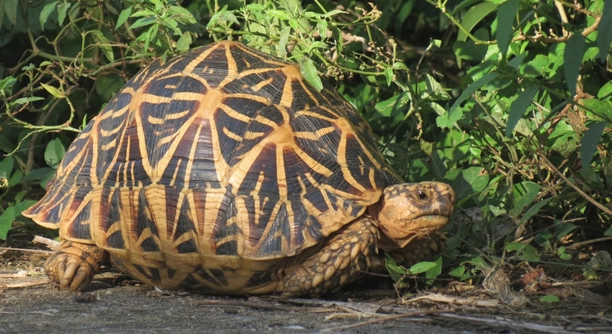
Introducing new plants into your Indian Star Tortoise’s tank can sometimes be a challenge. You may notice that your tortoise seems uninterested in the plants you’ve added. There are several reasons why this could happen.
The lack of interest in new plants may stem from a few factors such as unfamiliarity, stress, or dietary preferences. Tortoises tend to avoid plants they haven’t encountered before, and they may also be reluctant to try new foods during times of stress or discomfort.
Understanding why your tortoise may not be eating new plants can help you create a more comfortable and enriching environment. This insight can improve your tortoise’s well-being in the long run.
Why Your Indian Star Tortoise May Be Ignoring New Plants
It can be frustrating when you introduce fresh plants to your Indian Star Tortoise’s tank, only to see it completely ignore them. Several factors can play into this behavior. Tortoises are creatures of habit, and when they feel secure in their environment, they’re less likely to venture into unfamiliar territory, even when new plants are introduced. If the plants are drastically different from what your tortoise is used to, it may avoid them. Additionally, stress and changes in the environment can cause hesitation in trying new foods.
Your tortoise’s lack of interest in plants could also be linked to its natural instincts. Tortoises are herbivores, but they tend to be cautious eaters, sticking to familiar plants that they know are safe. New plants may not smell or look familiar, leading them to stay away. Another reason could be that the plants are not appealing to your tortoise’s specific dietary preferences. Some tortoises prefer certain types of plants, such as grasses, and may ignore others.
In addition, your tortoise could be experiencing stress in its new environment. Changes in the tank setup, lighting, or temperature can cause a shift in behavior. A stressed tortoise may focus on adjusting to its surroundings instead of exploring new plants. Make sure the habitat conditions are optimal, and give it some time to adapt.
How To Encourage Your Tortoise to Try New Plants
The best way to encourage your tortoise to try new plants is to give it a bit more time. Let your tortoise get used to the new additions slowly. If your tortoise is still ignoring the plants after a while, consider offering them in smaller portions. You can also try different textures and colors to attract their attention.
Tortoises may take a little time to warm up to new plants. A simple trick is to place the new plants near their usual food source, or even mix them in with the plants they already eat. If they see the new plants in familiar areas, they may feel more comfortable trying them. Another option is to sprinkle the plants with a little water or moisture to make them more inviting. Avoid forcing your tortoise to interact with the plants, as this can cause more stress and make the situation worse. Instead, patience and gradual exposure work best for a healthy, happy tortoise.
Why Consistency is Key for a Healthy Tortoise Diet
Consistency is crucial when feeding your tortoise. Once it’s comfortable with its food and environment, it is unlikely to make changes. As a pet owner, maintaining a consistent routine of food offerings and tank setups will create a sense of security. When your tortoise knows what to expect, it is more likely to feel safe and explore its environment more freely.
It’s essential to introduce any new food gradually, so your tortoise doesn’t feel overwhelmed. Sudden changes in diet or surroundings can lead to stress and even loss of appetite. Your tortoise may refuse new plants if it feels the need to retreat into its shell for comfort. This is why keeping its environment stable is key. A tortoise that feels secure will eventually start experimenting with different foods, especially if they’re presented in familiar ways.
Environmental Factors That Can Affect Feeding Habits
Temperature and humidity levels play a significant role in your tortoise’s eating habits. If the environment is too hot or too cold, it may cause the tortoise to become sluggish or lose its appetite.
Make sure the tank’s temperature is appropriate, typically between 80°F and 90°F during the day, with a cooler area at night. Humidity should also be monitored, as a dry tank can affect digestion and overall health. Tortoises are more likely to feed when they’re in a comfortable environment that mimics their natural habitat. Keeping these factors in check can help reduce stress and encourage your tortoise to explore new food options.
When your tortoise feels secure in its environment, it will be more likely to explore and try new foods, including plants. Monitoring the tank’s conditions regularly ensures your tortoise is comfortable and happy. If conditions are optimal, your tortoise’s appetite and willingness to eat should improve.
Types of Plants Your Tortoise Might Prefer
Indian Star Tortoises tend to have specific plant preferences. Some are more inclined to eat grasses, while others may prefer leafy greens.
To increase the likelihood of your tortoise eating new plants, try introducing foods that resemble what they already eat. Avoid offering plants that may be toxic to your tortoise, such as certain flowers or ornamental plants. Stick to safe, edible options like dandelion greens, hibiscus leaves, and clover. Gradually introduce new plants in small amounts, and observe whether your tortoise shows interest. It’s also important to vary the types of plants offered to keep their diet balanced.
A mix of familiar plants and a few new ones will help your tortoise adjust. Experimenting with different plant varieties can ensure that it receives the necessary nutrients. Keep an eye on your tortoise’s reactions and be patient as it explores the new additions to its tank.
Signs of Stress in Your Tortoise
Stress is a major factor in your tortoise’s reluctance to eat new plants. If the tank is too crowded or too noisy, it may cause your tortoise to retreat and avoid new food.
Changes in lighting, noise levels, or unfamiliar tank mates can also contribute to stress. Your tortoise may refuse to eat if it feels threatened or unsafe in its environment. Providing a quiet, secure space helps minimize stress, allowing your tortoise to explore new foods.
How to Help Your Tortoise Adjust to New Plants
To help your tortoise get comfortable with new plants, consider placing them in familiar spots. Over time, it will recognize these additions as part of its environment.
If it’s still reluctant to eat, try offering the plants when your tortoise is most active, typically in the morning. The familiarity of routine can encourage feeding, making it more likely your tortoise will try the new plants.
Feeding Time and Routine
Your tortoise may be more willing to try new plants during scheduled feeding times. Having a consistent feeding schedule can make your tortoise feel secure.
By offering the new plants during feeding time, you can create an association between eating and the new food, making your tortoise more willing to try them.
FAQ
Why isn’t my tortoise eating its new plants?
There could be several reasons why your tortoise is avoiding new plants. One common cause is that it simply isn’t familiar with the new food. Tortoises tend to stick to what they know, especially when they feel comfortable and secure. Additionally, if the plants are different in taste, smell, or texture, your tortoise may ignore them. Stress in the environment or changes in the tank setup can also cause your tortoise to become hesitant about trying new foods. Make sure the conditions are stable and offer the new plants gradually.
How can I encourage my tortoise to eat new plants?
Encourage your tortoise to try new plants by placing them near the food it already enjoys. Gradually mix the new plants in with familiar ones. You can also try offering the new plants when your tortoise is most active, which is typically in the morning. Another option is to gently moisten the plants to make them more appealing. Patience is key. Don’t rush the process, and let your tortoise explore the new plants at its own pace.
Can stress affect my tortoise’s appetite?
Yes, stress can definitely impact your tortoise’s appetite. If there are changes in its environment, such as temperature fluctuations, a noisy or crowded tank, or even changes in lighting, your tortoise might feel anxious or unsafe. This can lead to a lack of interest in food, including new plants. Ensuring that your tortoise’s habitat is stable and quiet can help reduce stress and encourage it to eat.
What types of plants are best for my Indian Star Tortoise?
Indian Star Tortoises enjoy a variety of plants, but they tend to prefer grasses, leafy greens, and edible flowers. You can offer them dandelion greens, hibiscus flowers, clover, and even cactus pads. Make sure the plants are safe for tortoises, as some plants are toxic. Avoid giving them ornamental plants or anything that could harm their digestive system. It’s a good idea to vary the plants to keep their diet balanced and interesting.
How do I know if a plant is safe for my tortoise?
Before offering any new plant to your tortoise, always check if it’s safe and non-toxic. There are many online resources and plant identification guides specifically for tortoises. Common safe options include dandelion, clover, hibiscus, and collard greens. Avoid feeding your tortoise plants from your garden unless you are certain they are safe, as some ornamental plants can be toxic. When in doubt, stick to known tortoise-safe plants.
Can I offer store-bought plants to my tortoise?
Store-bought plants can be a good option as long as they haven’t been treated with pesticides or chemicals. If you decide to purchase plants from a store, ensure they are labeled as pesticide-free. You should also research the specific types of plants you’re buying to make sure they’re safe for your tortoise. If you’re unsure, growing your own plants at home can give you more control over their safety.
How can I prevent my tortoise from getting bored with its diet?
Variety is important in preventing boredom and encouraging healthy eating habits. Offer a mix of different types of plants, such as leafy greens, grasses, and edible flowers. You can also rotate plants regularly to keep things interesting for your tortoise. Just make sure any new plant you introduce is safe and suitable for your tortoise’s diet.
How much should I feed my tortoise?
The amount of food your tortoise needs depends on its size, age, and activity level. Generally, adult tortoises should be fed a portion of food that’s about the size of their shell each day. Young tortoises may require more frequent feedings. Be sure to offer fresh food daily and remove any uneaten portions to prevent them from spoiling.
Should I be worried if my tortoise doesn’t eat for a few days?
If your tortoise skips a meal or goes without eating for a few days, it may be due to environmental factors, stress, or a slight change in its routine. However, if your tortoise consistently refuses food for more than a week, it’s important to monitor for other signs of illness and consult with a veterinarian. Long periods without eating can lead to malnutrition and dehydration.
Can I feed my tortoise fruit?
While tortoises may enjoy fruit, it should only be offered as an occasional treat. Fruits are high in sugar, which can upset the balance of your tortoise’s diet if fed too often. Stick to feeding fruits like berries or melons in small amounts. The majority of your tortoise’s diet should consist of high-fiber, leafy greens, and grasses.
Is it normal for my tortoise to be picky about its food?
Yes, it’s normal for tortoises to be picky about their food. They can have strong preferences for certain types of plants and may refuse new foods until they become more familiar with them. This behavior is especially common when introducing new plants. Be patient, and offer the new food slowly and consistently. Eventually, your tortoise may come around and begin trying new plants.
Final Thoughts
Understanding why your Indian Star Tortoise may be ignoring new plants is important for creating the right environment for it to thrive. There are many factors at play, including stress, unfamiliarity with the plants, and even the changes in its surroundings. With patience and a little trial and error, you can encourage your tortoise to try new foods. Gradually introducing new plants, offering them at the right times, and ensuring your tortoise feels secure in its environment will help.
Creating a stable and calm habitat is key. If your tortoise feels stressed or threatened, it may become reluctant to eat or explore new plants. A consistent routine, combined with a quiet and comfortable environment, can make a significant difference. Offering familiar foods alongside the new ones will encourage your tortoise to start incorporating them into its diet. Over time, it will become more comfortable with variety.
Lastly, be patient and keep offering a balanced selection of plants. While tortoises may seem picky at times, with the right approach, they can develop a more diverse diet. Always make sure that the plants you provide are safe, and continue to monitor your tortoise’s behavior. With attention to their needs, you can help your tortoise build healthy eating habits and enjoy a range of fresh, nutritious plants.

Hello,
If you enjoy the content that we create, please consider saying a "Thank You!" by leaving a tip.
Every little bit helps us continue crafting quality advice that supports the health, happiness, and well-being of pets around the world, for pets of all shapes, sizes, and species.
We really appreciate the kindness and support that you show us!