
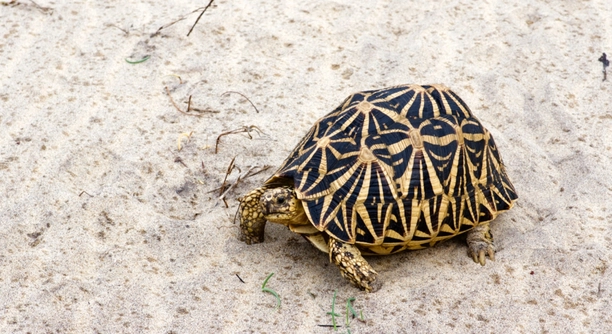
During hot weather, Indian Star Tortoises can face significant stress due to their need for cooler environments. It’s essential to understand how to protect them from excessive heat and keep them comfortable during these warmer months.
To keep Indian Star Tortoises cool, maintain a shaded, well-ventilated habitat with a consistent temperature of 75-85°F. Ensure they have access to fresh water and avoid direct sunlight. Additionally, providing cool hiding spots and humidity can help regulate their body temperature.
By implementing these simple measures, your tortoise can enjoy the summer without discomfort. Keeping them cool is crucial for their health and well-being.
Create a Shaded, Well-Ventilated Habitat
When the temperature rises, creating a shaded, well-ventilated environment for your Indian Star Tortoise becomes essential. Direct sunlight can quickly lead to overheating, making it important to have a suitable space that allows your tortoise to escape the heat. Opt for a shaded area where the temperature remains stable between 75-85°F, especially during peak heat hours. A proper ventilation system helps circulate fresh air, ensuring your tortoise does not feel suffocated. You can use a small fan to help with airflow, but be careful not to place it directly on them. Remember, tortoises are sensitive to extreme heat, and a well-ventilated space keeps them comfortable and safe.
A shaded, cool space should be a priority. It will help your tortoise stay at a healthy temperature, preventing heat-related stress.
Make sure the enclosure is spacious enough to allow your tortoise to move around and find cooler spots. The key to a comfortable environment lies in consistent, moderate temperatures. Keep an eye on the temperature, especially during midday heat, and adjust the area as needed to maintain a safe range.
Provide Fresh Water and Hydration
Hydration is one of the most important factors when it comes to keeping your tortoise cool. Make sure fresh water is always available and easily accessible. Tortoises tend to drink more when they’re feeling overheated, so offering water frequently will ensure they stay hydrated and avoid dehydration during hot weather.
In addition to offering fresh water, consider providing a shallow dish where your tortoise can soak. This helps regulate body temperature and offers them a chance to cool off. It’s important to refresh the water regularly to avoid contamination and ensure your tortoise remains healthy.
Keeping the water clean and easily accessible encourages your tortoise to drink more. The more hydrated they are, the better they can cope with the heat.
Create Cool Hiding Spots
Providing cool hiding spots for your Indian Star Tortoise is essential during hot weather. They can retreat to these areas when they need to lower their body temperature. Use materials that don’t trap heat, like ceramic tiles or shaded logs.
Hiding spots also offer a sense of security. A tortoise that feels stressed can become more vulnerable to the effects of the heat. Placing these cool, sheltered areas in different parts of the enclosure gives them the freedom to choose where they feel most comfortable. They can find a spot that suits them best, ensuring they stay relaxed and cool.
Create multiple options by adding different hideouts, such as ceramic pots or shaded wooden structures. These areas not only provide shade but also give your tortoise a sense of privacy. It’s important to change their hiding spots occasionally to ensure they don’t become too accustomed to one location. This helps your tortoise feel more comfortable in its environment, making it easier to cope with extreme temperatures.
Avoid Overfeeding in Hot Weather
Overfeeding can cause unnecessary stress for your tortoise in hot conditions. When temperatures rise, their digestive system slows down. Feeding them large amounts of food can result in digestive issues and additional stress. It’s best to reduce the size of meals during hot weather to help them stay cool.
Focus on offering smaller portions more frequently, especially those with high moisture content, like leafy greens and cucumbers. This will help them stay hydrated while avoiding overloading their digestive system. Keeping meals light and balanced ensures your tortoise remains comfortable during hot weather without feeling sluggish or overly full.
Offer food in the early morning or late evening when temperatures are cooler. This minimizes the risk of your tortoise becoming too warm after eating, which could further stress its body. It’s essential to pay attention to how your tortoise reacts to food during these times, adjusting portions as needed.
Use a Misting System
A misting system can help keep the humidity levels in your tortoise’s enclosure balanced and cool. Light misting, done during the hottest part of the day, helps maintain a comfortable environment.
Misting offers a cooling effect without causing too much moisture buildup. A good misting system can also create microclimates within the enclosure, allowing your tortoise to choose the most comfortable spots.
Keep the Substrate Cool
The substrate in your tortoise’s enclosure should be kept cool to regulate temperature. Avoid using materials that retain too much heat, like sand or gravel. Opt for coconut coir or grass hay instead.
These materials will help prevent the substrate from overheating, keeping your tortoise’s habitat more comfortable. Ensure the substrate remains moist to aid in cooling while avoiding excess humidity.
FAQ
How hot is too hot for an Indian Star Tortoise?
Indian Star Tortoises thrive in temperatures between 75°F and 85°F. Anything above 90°F can cause them distress, leading to heatstroke. If the temperature consistently exceeds 90°F, it’s crucial to take steps to cool down the environment, such as using fans or placing the tortoise in a cooler area. Prolonged exposure to temperatures over 95°F can be fatal.
What should I do if my tortoise is overheated?
If your tortoise shows signs of overheating, like rapid breathing, lethargy, or reduced activity, immediately move it to a cooler, shaded area. Offer it fresh, cool water and ensure it has access to a cool hiding spot. Avoid handling your tortoise during this time to prevent further stress. If symptoms persist, contact a veterinarian.
Can I keep my tortoise outside in the summer?
Yes, but only under specific conditions. Ensure that the outdoor space is shaded and that your tortoise has a safe retreat to escape the heat. Also, make sure the area is free from predators and has proper ventilation. If the weather is too hot or humid, it’s best to keep your tortoise indoors where temperature and humidity are easier to control.
How often should I mist my tortoise’s enclosure?
Misting should be done once or twice a day, especially during the hottest hours. Light misting helps maintain the humidity level in the enclosure and offers a cooling effect. Ensure that the substrate doesn’t become overly wet, which can lead to health issues like shell rot. Always monitor the humidity and temperature levels to prevent them from becoming too high.
Can I use ice to cool down my tortoise?
While it may seem like a good idea to use ice, it can be dangerous for your tortoise. Rapid temperature changes can cause shock, which could further stress them. Instead of ice, aim for a consistently cool environment with proper ventilation and fresh water. If you need to lower the temperature, use fans or misting instead.
Do Indian Star Tortoises need UVB lighting during hot weather?
Yes, Indian Star Tortoises still need UVB lighting even in hot weather. UVB light helps them synthesize vitamin D3, which is vital for shell and bone health. If your tortoise is kept indoors, ensure they have access to UVB lighting for 10-12 hours a day. During the hotter months, this helps maintain their overall health while providing a consistent light cycle.
Is it okay to bathe my tortoise during hot weather?
Yes, giving your tortoise a warm bath can help them stay hydrated and cool down. Use lukewarm water and avoid making it too hot or cold. Make sure the water is shallow enough for them to stand comfortably. A short soak of 10-15 minutes is ideal. Always dry your tortoise off gently afterward, and place them in a cooler spot.
How do I know if my tortoise is dehydrated?
Signs of dehydration in tortoises include sunken eyes, dry skin, lack of appetite, and lethargy. If your tortoise isn’t drinking enough water, it’s essential to encourage hydration. Provide fresh water daily and offer foods with high water content, like cucumber or lettuce. If dehydration persists, consult a veterinarian.
What is the best bedding for my tortoise’s enclosure during hot weather?
During hot weather, use bedding materials that won’t retain too much heat. Coconut coir, shredded paper, or grass hay are ideal choices. These materials maintain moisture and provide a comfortable, cool environment for your tortoise. Avoid using sand or gravel, as these can retain heat and cause discomfort. Always keep the substrate clean and dry to prevent health problems.
Can I leave my tortoise outside during the night in hot weather?
It’s best to bring your tortoise indoors at night, especially during hot weather. Even if temperatures remain warm, outdoor conditions can change quickly, and nighttime humidity or predators may pose a risk. Keeping your tortoise inside ensures that it remains in a safe and temperature-controlled environment.
Final Thoughts
Keeping your Indian Star Tortoise cool during hot weather is essential for its health and well-being. Tortoises are sensitive to high temperatures, and when exposed to extreme heat, they can become stressed or even suffer from heatstroke. Providing a cool, shaded environment with plenty of hiding spots allows your tortoise to regulate its body temperature. Regular monitoring of the enclosure’s temperature and humidity levels ensures they stay within the ideal range, preventing any potential health issues.
Offering fresh, cool water and feeding smaller, more frequent meals during hot weather can also help your tortoise stay comfortable. Overfeeding can lead to digestive problems, so it’s important to adjust their food intake during the hotter months. Misting the enclosure, using proper bedding materials, and avoiding sudden temperature fluctuations can further reduce stress. These steps help create a suitable environment for your tortoise to thrive, even in challenging conditions.
Remember, every tortoise is different, and it’s important to observe their behavior closely to identify any signs of discomfort or overheating. By staying informed about your tortoise’s needs and adapting their environment as necessary, you can ensure they stay healthy and happy. With the right care and attention, your Indian Star Tortoise can enjoy a safe and comfortable life, no matter how hot the weather gets.

Hello,
If you enjoy the content that we create, please consider saying a "Thank You!" by leaving a tip.
Every little bit helps us continue crafting quality advice that supports the health, happiness, and well-being of pets around the world, for pets of all shapes, sizes, and species.
We really appreciate the kindness and support that you show us!