
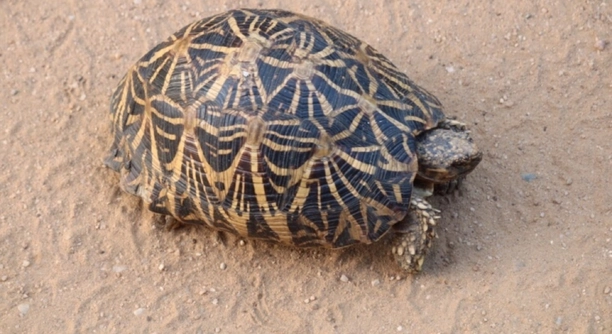
Indian Star Tortoises are known for their gentle nature and distinct shell patterns. However, when they refuse to mate, it can be concerning. Several factors can contribute to this behavior, affecting their overall mating process.
The refusal to mate in Indian Star Tortoises is often linked to environmental stress, improper temperature conditions, or mismatched pairings. Inadequate space and lack of appropriate environmental stimuli can further hinder their willingness to engage in mating behaviors.
Understanding these underlying causes can help ensure your tortoise’s mating success and long-term health.
Environmental Stress and Temperature Issues
Indian Star Tortoises require stable environments to thrive, especially when it comes to mating. Excessive heat or cold can cause stress, leading to a lack of interest in mating. When the temperature is too high or low, it disrupts their natural biological rhythms, making them less likely to engage in mating behaviors. These tortoises are cold-blooded creatures, meaning they rely on external temperatures to regulate their body functions.
Ensure their habitat maintains a consistent temperature, ideally between 80-90°F during the day, with a cooler night temperature of around 70°F. A sudden change in temperature or exposure to extreme heat can have negative effects on their reproductive health.
Beyond temperature, humidity levels also play a crucial role. Too dry or too humid an environment can lead to dehydration or respiratory issues, which can contribute to reduced mating behavior. Monitoring these factors consistently is key to maintaining your tortoise’s overall health and willingness to mate.
Pair Compatibility
Sometimes, the issue may stem from the compatibility between the tortoises. If one or both of them are stressed, aggressive, or too young, they may not mate successfully. This is particularly true if the tortoises have not been properly introduced to each other.
It’s important to monitor how they interact, ensuring there is no aggression or territorial behavior. Proper introductions and ample space allow for natural interactions, helping reduce stress and increasing the likelihood of successful mating.
Age and Maturity
Age is a key factor in the mating process. Indian Star Tortoises typically do not reach sexual maturity until they are around 5-7 years old. If one or both tortoises are too young, they may not show interest in mating.
If your tortoises are within this age range and still not mating, they could be experiencing other stressors. It’s important to monitor their behavior for signs of stress or discomfort. Tortoises that are too young may require more time to develop physically and mentally before they are ready to mate.
Sometimes, even mature tortoises may not mate immediately, but if they are in good health and the conditions are right, mating should occur eventually. Patience is crucial when working with these creatures, as their natural instincts may take time to develop fully.
Health Concerns
A common reason for refusal to mate is underlying health issues. Indian Star Tortoises, like all reptiles, can hide illness or discomfort. If a tortoise isn’t feeling well, it might avoid mating altogether. Health problems such as infections or poor nutrition can negatively affect their reproductive behavior.
Regular checkups with a reptile vet are essential to ensure they are free from illnesses. Poor shell condition, lack of appetite, or lethargy can indicate health issues that need attention. Stress from unaddressed health concerns can make mating a lower priority for the tortoise.
Taking care of your tortoise’s health will ensure that they remain strong and ready to engage in mating behaviors. Keeping a clean, balanced environment and diet is vital to their well-being and will help promote mating when they are ready.
Seasonal Changes
Seasonal changes can affect the mating habits of Indian Star Tortoises. During colder months, tortoises may become less active, leading to a decrease in mating attempts.
Mating behavior typically picks up in warmer months, as tortoises are more active and their metabolism increases. If it’s winter, give them extra time to adjust as temperatures rise.
Sometimes, their desire to mate simply depends on the season. During cooler weather, they may conserve energy, making mating less of a priority.
Space and Habitat
Space plays a crucial role in your tortoises’ mating behaviors. A cramped environment can lead to stress, preventing them from interacting naturally.
It’s important to provide adequate space for both tortoises to roam and explore. This allows them to establish territories and interact with each other comfortably. A spacious habitat supports their natural instincts and encourages mating when they are ready.
Overcrowding
Overcrowding can also affect mating behavior. If too many tortoises are kept together, it can lead to aggression or stress.
When keeping multiple tortoises, ensure there’s enough space for each one to have their own territory. Overcrowding reduces the chances of mating by creating stress and limiting the opportunities for natural interactions.
FAQ
Why is my tortoise not mating even though the conditions seem right?
Even when the environment seems perfect, there could still be underlying issues affecting mating behavior. These can range from health concerns, stress, or an incompatibility between the tortoises. It’s essential to ensure the temperature, humidity, and space are appropriate, but also consider the age and health of the tortoises. If one of them is ill or too young, they may not show interest in mating.
How can I tell if my tortoise is ready to mate?
Tortoises often display certain behaviors when they’re ready to mate. Male tortoises, in particular, may start displaying more active behaviors, such as trying to mount the female, making noises, or even displaying territorial behavior. Females may also show signs like becoming more active or receptive to male advances. However, not all tortoises will exhibit these behaviors in the same way, and some may take time to warm up to the idea of mating.
What if my tortoises keep fighting instead of mating?
Fighting among tortoises is a common issue, especially when they are not properly introduced or feel territorial. It’s important to monitor their behavior closely. If fighting continues, it might be best to separate them for a while and give them space. If the fighting is persistent, the pair may not be compatible, or one may be more dominant, hindering mating attempts.
How often should I expect my tortoises to mate?
Indian Star Tortoises typically mate once a year during their breeding season, which generally occurs in warmer months. However, mating frequency can vary depending on the individual tortoises. Some may mate more frequently, while others might take longer breaks between attempts. It’s important to be patient and allow your tortoises to naturally engage in mating behavior when they’re ready.
Can I force my tortoises to mate?
Mating should never be forced. It’s important to allow your tortoises to mate on their own terms. Forcing them into mating behavior can lead to stress and health issues. Instead, focus on providing a stable, comfortable environment that supports their natural instincts. This includes proper temperature, humidity, space, and time. If the tortoises are not ready to mate, forcing them can cause more harm than good.
How can I tell if my female tortoise is healthy and ready for mating?
A healthy female tortoise should show consistent activity, a healthy appetite, and no signs of illness. If she is lethargic or has a poor appetite, there may be underlying health issues. Female tortoises also need to have a proper diet and hydration to ensure their reproductive health. If the female is too young or not in optimal health, it may affect her willingness to mate.
Do I need to monitor my tortoises while they are mating?
Once your tortoises start mating, it’s important to monitor them to ensure the process goes smoothly. You should observe them to check for signs of aggression or stress. If either tortoise seems uncomfortable or hurt, they should be separated. Providing a safe, stress-free environment during mating is essential for their well-being.
What should I do if my tortoises don’t mate after several attempts?
If your tortoises don’t mate after several attempts, assess the environment and their overall health. Ensure that both tortoises are of the appropriate age and are not showing signs of stress or illness. Reevaluate the temperature, humidity, and space to ensure they are conducive to mating. Sometimes, tortoises need more time or conditions need to be adjusted.
Can tortoises mate with other species?
While tortoises can mate within their own species, interbreeding between different species is not recommended. Indian Star Tortoises should be paired with others of their kind to ensure healthy offspring and avoid potential complications. Crossbreeding between different species can lead to genetic issues and health problems for the offspring. Always aim to pair tortoises of the same species for the best outcome.
How can I improve my tortoises’ chances of mating successfully?
To improve the chances of successful mating, ensure that both tortoises are healthy, of the appropriate age, and in a comfortable environment. Provide adequate space, proper lighting, and consistent temperatures. Monitor their behavior closely for any signs of stress or aggression, and give them time to adjust to each other. A calm, natural environment with plenty of opportunities for interaction will help foster mating behavior.
Final Thoughts
Understanding why your Indian Star Tortoise is refusing to mate involves considering various factors. The right environment, age, and health of both tortoises are key to successful mating. Sometimes, even when everything seems ideal, it can take time for your tortoises to become comfortable enough to mate. Environmental factors like temperature, humidity, and space are crucial for encouraging natural behaviors. If there are any signs of illness or stress, it’s important to address those first before expecting any successful mating attempts.
Patience is essential when dealing with tortoises. They have their own pace and may not always respond immediately to mating opportunities. Even though they may not mate right away, maintaining proper care and ensuring a stress-free environment will eventually help them feel more comfortable. Additionally, tortoises, like all animals, are individuals with different temperaments. Some may take longer to become active in mating behavior, while others might show interest right away. Being observant of their behavior and making sure they are healthy and happy is the most effective way to encourage them to mate.
In conclusion, while it can be frustrating when your tortoises are not mating, addressing environmental and health factors can often resolve the issue. Create a suitable habitat that supports their natural instincts, keep them healthy, and ensure they are not stressed. Over time, your tortoises will likely begin to engage in mating behavior when they are ready. The process may require patience, but with proper care, you can increase the chances of successful mating and help your tortoises thrive.

Hello,
If you enjoy the content that we create, please consider saying a "Thank You!" by leaving a tip.
Every little bit helps us continue crafting quality advice that supports the health, happiness, and well-being of pets around the world, for pets of all shapes, sizes, and species.
We really appreciate the kindness and support that you show us!