
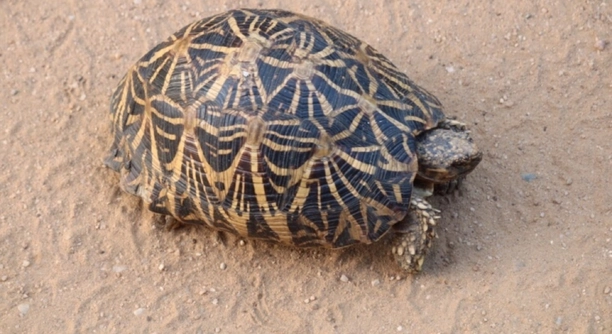
Indian Star Tortoises are fascinating creatures, but like all reptiles, they need proper hydration to stay healthy. Encouraging them to drink water can sometimes be challenging. Here are some practical tips to help you with that.
To encourage Indian Star Tortoises to drink water, you can use shallow water bowls, mist their shells, or provide a moist environment. Offering water at the right temperature and monitoring their hydration can also play a key role.
There are simple methods to help your tortoise stay hydrated, ensuring they thrive. Keep reading to discover ways to make hydration more enjoyable for your pet.
Understanding Your Tortoise’s Natural Behavior
Indian Star Tortoises, like many reptiles, can be hesitant about drinking water. In their natural habitat, they may get moisture from food or dew, but in captivity, it’s crucial to make sure they drink enough. If your tortoise isn’t drinking regularly, it’s important to observe its behavior and environment to find potential causes. Sometimes, they simply prefer a shallow dish to drink from. Other times, the water might not be in the ideal temperature range, or they might not have easy access. By understanding their natural habits, you can create a more inviting space for hydration.
Sometimes, tortoises can be picky about where they drink. Pay attention to their behavior, as some may only drink from specific spots or after certain cues. You can experiment with different types of containers, from shallow bowls to even using a misting system.
Temperature is key. Water that’s too cold or too warm can deter your tortoise from drinking. Try offering water at room temperature. This makes it more approachable, as tortoises prefer moderate warmth over extreme cold or heat.
Proper Hydration Techniques
One of the simplest ways to encourage hydration is to provide clean, shallow water bowls. Make sure the dish is easy for your tortoise to access, as they may not drink from deeper containers. A bowl that’s not too deep, with water covering just the bottom, is ideal. The water should be fresh, changed regularly, and free from any contaminants. Keep the bowl near your tortoise’s favorite resting spots, as they are more likely to drink if they feel comfortable and safe. Additionally, using a water bowl made from non-porous material is a good idea since it’s easier to clean and prevent bacteria buildup.
Another method to encourage your tortoise to drink is through misting. By lightly spraying your tortoise with water, you mimic natural rain, which can trigger their drinking instinct. A gentle misting on their shell can also help increase humidity levels in their environment, which can be particularly beneficial if the air is dry.
You can also try offering fresh, hydrating foods like leafy greens or fruits. These can provide some moisture to supplement their water intake. However, these should not replace regular water, but they do encourage hydration, especially if your tortoise is hesitant to drink directly from a bowl.
Creating the Right Habitat
Proper humidity levels are essential for your tortoise’s health and hydration. If the environment is too dry, your tortoise may be reluctant to drink. Consider using a humidifier or placing a shallow water dish that can naturally increase the humidity in the enclosure. It’s also helpful to keep the enclosure in a place that doesn’t get too much direct sunlight, as this can dry out the air and make your tortoise uncomfortable.
Maintaining the right humidity level helps your tortoise stay hydrated without having to rely solely on drinking water. Keep the humidity levels between 50-70%. If the air is too dry, your tortoise may not get enough moisture through the environment, leading to dehydration. It’s also important to monitor the temperature to ensure it remains comfortable. A stable, warm environment helps create an inviting atmosphere for drinking water.
Sometimes, adding a humidity hide or small moist area in the enclosure can give your tortoise a choice of where it prefers to hydrate. A simple hide with dampened substrate or moss may encourage your tortoise to drink or absorb moisture through the air. This can help keep them hydrated in a way that’s more natural to their behavior.
Offering Water at the Right Temperature
Tortoises tend to prefer water that’s neither too hot nor too cold. If the water is too extreme in temperature, it could discourage your tortoise from drinking. Offer water at room temperature to make it more inviting. It mimics the temperature of natural water sources in the wild, which are typically moderate in warmth.
A shallow dish of water at room temperature gives your tortoise a comfortable spot to drink without worrying about the water being too cold or too warm. If you’re unsure about the ideal temperature, try using a thermometer to check that the water stays within the proper range. It’s important to avoid drastic changes in temperature that could stress your pet.
The placement of the water bowl also matters. If you place it near a warm spot, such as a heat lamp or a basking area, your tortoise may be more likely to drink. This warmth can help make the water feel more inviting. However, be careful not to make the water too hot—tortoises are sensitive to temperature extremes.
Offering Moisture-Rich Foods
Leafy greens, like kale and collard greens, are great for adding moisture to your tortoise’s diet. These foods naturally contain water and help support hydration. They should be a staple of their daily meals, providing hydration alongside regular water sources.
In addition to leafy greens, fruits like watermelon, cucumber, and strawberries are good options. These foods have high water content and can encourage your tortoise to stay hydrated. Just make sure to feed them in moderation, as fruits can be high in sugar. Variety in their diet helps maintain their interest and encourages them to eat more hydrating foods.
Misting Your Tortoise’s Environment
Misting your tortoise can mimic natural rainfall and encourage drinking. Lightly spraying your tortoise with water can also help increase humidity, making it easier for them to stay hydrated without solely relying on drinking from a bowl. Regular misting helps create a more comfortable and inviting atmosphere.
Some tortoises might enjoy a gentle misting on their shells, which can trigger their natural drinking instinct. Misting helps create a more humid microclimate, which is crucial for tortoises that come from areas with high humidity. Just be sure not to overdo it, as too much misting can make the environment too damp, leading to other health issues.
FAQ
Why is my tortoise not drinking water?
If your tortoise isn’t drinking, it could be due to several factors. First, the water might not be in the right temperature range. Cold or hot water can deter them. Ensure the water is at room temperature, which mimics natural conditions. Another reason could be the bowl’s depth—tortoises prefer shallow dishes they can easily access. The environment may also be too dry, which makes drinking less appealing. Consider improving humidity levels in their enclosure by adding a humidity hide or using a humidifier.
How can I encourage my tortoise to drink more water?
To encourage drinking, ensure that you provide clean, shallow water bowls, preferably placed near your tortoise’s favorite resting spots. Mist the environment regularly to increase humidity and trigger natural drinking behavior. Offering moisture-rich foods like leafy greens and fruits, such as watermelon or cucumber, can also help keep your tortoise hydrated. Regular misting can also encourage drinking, as it mimics the rain. Be patient and observe your tortoise’s habits to see what works best.
Is it normal for my tortoise to not drink every day?
Tortoises don’t always drink daily, especially if they are getting moisture from their food. However, if your tortoise hasn’t drunk water for a few days or seems lethargic, it’s important to check the habitat for issues like dry air or improper water temperature. Consistent access to fresh water is important, so monitor their hydration carefully.
Can I give my tortoise water in a water dish instead of spraying it?
Yes, providing water in a shallow dish is perfectly fine. However, some tortoises prefer the misting method as it mimics rain, which can encourage them to drink more. It’s also helpful to offer both options—water in a dish for drinking and misting to maintain humidity. You can experiment with both to see what works best for your tortoise.
What if my tortoise isn’t eating enough water-rich foods?
If your tortoise isn’t eating enough moisture-rich foods like leafy greens or fruits, it might be because of picky eating habits or environmental stress. Try offering a variety of hydrating foods and make sure they are cut into small, manageable pieces. If they are not eating, check for signs of illness and consider adjusting the environment to make it more comfortable.
How do I know if my tortoise is dehydrated?
Dehydration in tortoises can be spotted through signs like lethargy, sunken eyes, or dry, flaky skin. A dehydrated tortoise might also have difficulty moving around or show no interest in food. If you suspect dehydration, provide extra moisture through misting or offering water-rich foods, and consult a vet if necessary.
Can I use a water bowl with a filter for my tortoise?
A water bowl with a filter is generally safe for tortoises, as it keeps the water cleaner. However, make sure the bowl is shallow enough for easy access. It’s also important to change the water regularly, even if a filter is used, to prevent bacteria buildup. A clean water source is vital for your tortoise’s health.
How often should I change the water for my tortoise?
Water should be changed daily to ensure it’s clean and free of contaminants. Tortoises can be sensitive to dirty water, which can lead to infections or reluctance to drink. If your tortoise uses a water dish frequently, be sure to rinse the bowl with mild soap and water and refill it with fresh water each day.
Can I use bottled water for my tortoise?
Bottled water can be used for your tortoise, but it may not be necessary. Tap water is usually fine, as long as it’s free from chlorine or other harmful chemicals. If you use tap water, you can let it sit for a few hours or use a water conditioner to remove chlorine before offering it to your tortoise.
What type of water bowl is best for my tortoise?
A shallow, non-porous bowl is ideal for your tortoise. The water should cover just the bottom of the bowl to allow easy access. Ceramic or plastic bowls are good options because they are easy to clean and won’t absorb water or bacteria. The key is to ensure that the bowl is stable and won’t tip over easily.
Can I give my tortoise water through a syringe?
While you can offer water through a syringe if your tortoise isn’t drinking on its own, it should be done cautiously. Make sure you’re using a small, gentle amount to avoid causing stress or choking. Syringe feeding can be a temporary solution if your tortoise is severely dehydrated, but it’s best to encourage natural drinking habits.
Final Thoughts
Ensuring your Indian Star Tortoise stays hydrated is important for its overall health and well-being. While these tortoises may not always drink water as frequently as some other pets, it’s essential to provide them with consistent access to fresh, clean water. Offering the right temperature, shallow water dishes, and a bit of patience can help encourage them to drink. Along with water, providing moisture-rich foods like leafy greens and fruits can be an excellent way to supplement their hydration.
If your tortoise is still not drinking despite trying different methods, it’s worth taking a closer look at its environment. A dry habitat can discourage drinking, so maintaining proper humidity and temperature levels is crucial. Consider using a humidifier, misting the enclosure, or adding a moisture hide to improve the environment. Additionally, placing the water bowl in a comfortable, easily accessible spot can encourage drinking. Observe your tortoise’s behavior to see which setup works best and be consistent with keeping its habitat ideal for hydration.
Lastly, hydration plays a significant role in your tortoise’s health. Dehydration can lead to a variety of issues, from skin shedding problems to more severe kidney issues. If your tortoise shows signs of dehydration, such as lethargy or sunken eyes, it’s important to address the situation right away. Regularly checking its water intake, diet, and habitat conditions can prevent many of these problems. With proper care, your tortoise can stay healthy and hydrated, ensuring a long and happy life.

Hello,
If you enjoy the content that we create, please consider saying a "Thank You!" by leaving a tip.
Every little bit helps us continue crafting quality advice that supports the health, happiness, and well-being of pets around the world, for pets of all shapes, sizes, and species.
We really appreciate the kindness and support that you show us!