
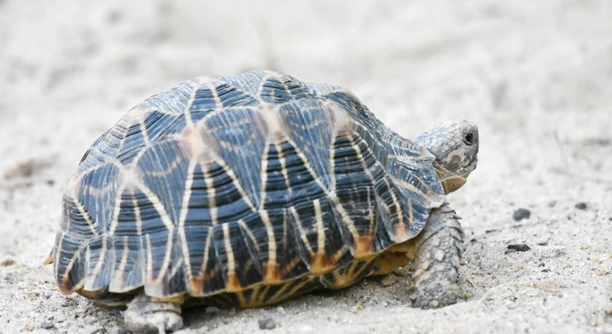
Indian Star Tortoises are known for their peaceful nature, but like any pet, they can experience stress. Identifying when they are stressed is essential for their health and well-being. This article outlines key signs of stress in these tortoises.
Stress in Indian Star Tortoises is often caused by environmental factors, handling, or improper care. Recognizing the early signs, such as changes in behavior, appetite, or physical condition, is crucial for taking corrective action and maintaining their health.
Understanding these signs helps you ensure your tortoise’s comfort and well-being. By identifying and addressing stress, you can provide the best care possible for your shelled friend.
1. Changes in Appetite
When your Indian Star Tortoise starts eating less or refuses food altogether, it’s often a sign of stress. Tortoises are creatures of habit, so any disruption in their regular eating patterns should be observed carefully. Stress can cause them to lose interest in food or show a decrease in appetite.
If this happens, check their environment and make sure it’s comfortable. Factors like temperature, humidity, or an unclean habitat can affect their eating habits. It’s important to monitor their diet and behavior for a few days to determine whether the stress is temporary or if something needs to be adjusted.
Sometimes, the stress may stem from changes you wouldn’t initially consider, like over-handling or a sudden change in their surroundings. Tortoises are very sensitive to shifts in their routine. This can be overwhelming for them, affecting their overall well-being. If they are not eating for extended periods, it’s important to consult a vet to rule out any serious health issues caused by stress.
2. Behavioral Changes
A stressed tortoise may start exhibiting unusual behaviors. This can include hiding more often, being unusually aggressive, or even becoming lethargic. Such changes should not be ignored, as they signal discomfort. Stress can lead to long-term health problems if not addressed.
Behavioral changes can also happen when they’re kept in spaces that are too small or feel unsafe. An Indian Star Tortoise needs room to move and explore. If they feel confined, they may respond with behavioral shifts, such as excessive digging or pacing. This could be their way of trying to find a way out.
A common behavioral sign of stress is when your tortoise withdraws into its shell for longer than usual. While occasional retreat into the shell is normal, a constant refusal to come out can indicate that something’s wrong. Stress factors could include noise, other animals in the house, or disruptions in their environment. It’s essential to provide a quiet, secure space for your tortoise to feel safe.
3. Shell Abnormalities
Stress can lead to physical changes in your tortoise’s shell. You might notice discoloration, softness, or cracks that weren’t there before. These changes could indicate stress-related health problems. A stressed tortoise might not bask as much, affecting their shell health.
The shell is a vital part of their overall health. If your tortoise is under stress for too long, the shell may lose its strength, leading to deformities or cracks. This could be due to improper temperature or humidity levels, which are essential for maintaining shell integrity.
If you notice any changes in the texture or appearance of their shell, it’s important to inspect their living conditions and make adjustments. A proper diet and consistent environment are key to preventing long-term damage. Regular vet check-ups also help to monitor the condition of their shell and health in general.
4. Excessive Hiding
Hiding is a normal behavior for tortoises, but if your Indian Star Tortoise is hiding more than usual, it could be a sign of stress. Increased hiding often means they’re feeling threatened or overwhelmed.
When tortoises are stressed, they often retreat to their hiding spots to escape the discomfort around them. This could be triggered by changes in their environment, handling, or even the presence of other pets. If your tortoise spends more time hiding than exploring, it’s important to check if anything has changed in their space.
It’s vital to provide your tortoise with a safe, quiet space where they feel comfortable. Consider reducing disturbances around their enclosure and ensure they have a warm, secure spot to retreat to. This can help alleviate some of the stress and encourage more active behavior over time.
5. Changes in Movement
When stressed, your Indian Star Tortoise may show changes in its movement. They could become slower or less active than usual, or even appear stiff when walking. This could indicate that they’re not feeling comfortable in their environment.
Stress can cause physical discomfort that affects your tortoise’s mobility. If they’re not moving as they normally do, it might be a sign they’re trying to avoid something that is making them uneasy. Overheating or too much humidity could also play a role in their decreased activity. Keep an eye on their behavior and make sure their enclosure is set up correctly to support their health.
6. Weight Loss
Weight loss is another clear sign that your tortoise may be under stress. A decrease in weight could indicate they’re not eating enough or may have trouble digesting food. Monitoring their weight can help you identify any concerning trends early.
A stressed tortoise often stops eating properly, leading to weight loss. The stress could stem from various sources, including improper habitat conditions, an unbalanced diet, or too much handling. If weight loss continues for several days, it’s important to address the underlying cause. Providing a consistent routine and ensuring their environment is well-maintained can encourage better eating habits.
7. Respiratory Issues
Stress can sometimes cause respiratory problems in Indian Star Tortoises. If your tortoise starts breathing heavily, wheezing, or showing signs of mucus around the nose, it could be a sign that they’re stressed or dealing with a respiratory infection.
The stress could weaken their immune system, making them more vulnerable to infections. These respiratory problems can worsen quickly, so it’s important to act fast if you notice any of these signs. A clean, well-ventilated space and appropriate humidity levels can help prevent these issues. If symptoms persist, a vet visit is necessary to treat the infection.
FAQ
What causes stress in an Indian Star Tortoise?
Several factors can cause stress in Indian Star Tortoises. Changes in their environment, like temperature or humidity fluctuations, can make them feel uneasy. Over-handling, loud noises, or the presence of other pets can also contribute to stress. Additionally, an improper diet, lack of space, or dirty enclosures can lead to anxiety. It’s crucial to maintain a stable and quiet environment for your tortoise to keep them calm and healthy.
How can I reduce stress for my tortoise?
Reducing stress for your Indian Star Tortoise involves creating a calm and stable environment. Make sure their enclosure has the right temperature and humidity levels. Keep the area quiet and free from disturbances. Ensure they have a proper diet and space to move around. Handling should be kept to a minimum to avoid unnecessary stress. Providing hiding spots where they can retreat when feeling anxious is also important. Lastly, make sure they are regularly checked for health issues that could be contributing to their stress.
How do I know if my tortoise is too hot or too cold?
Indian Star Tortoises require a temperature gradient in their enclosure. The basking spot should be around 90-95°F, while the cooler side of the tank should be between 75-80°F. If your tortoise is too hot, they may be lethargic or have trouble breathing. If they’re too cold, they may move less, eat less, or even appear sluggish. Checking both sides of the enclosure regularly with a thermometer can help you ensure they’re not too hot or cold.
Can stress cause my tortoise to stop eating?
Yes, stress is one of the main reasons an Indian Star Tortoise might stop eating. When a tortoise is stressed, they may lose their appetite or refuse to eat altogether. This can happen if their environment is not ideal, if they feel threatened, or if they’re experiencing health problems. A lack of appetite can lead to weight loss, so it’s essential to address the stress factors quickly. Ensure their enclosure is comfortable, avoid over-handling, and monitor their health to help them eat again.
How often should I check on my tortoise’s health?
It’s essential to monitor your tortoise’s health regularly, ideally checking them daily. Look for any signs of stress, such as changes in behavior, appetite, or movement. Weekly health checks should include inspecting their shell for any cracks or abnormalities. Make sure their enclosure remains clean and that they have the right environmental conditions. Additionally, you should schedule a vet visit at least once a year for a thorough check-up to keep them in good health.
Can Indian Star Tortoises live with other pets?
Indian Star Tortoises can live with other pets, but it’s crucial to make sure that the other pets do not stress them out. Some pets, like other reptiles, might be fine in the same household, but they should not share the same space unless carefully monitored. Avoid keeping them with pets that are overly active or aggressive, as this could stress your tortoise. Always ensure that your tortoise has its own quiet space to retreat to when needed.
What should I do if my tortoise is constantly hiding?
Constant hiding in Indian Star Tortoises could indicate stress, but it could also be a sign of illness. If your tortoise is hiding more than usual, check their environment for any changes. Are they too hot or cold? Is there too much noise or disturbance? Ensure they have a secure and quiet space where they can retreat. If hiding persists or is accompanied by other signs of illness, it’s best to consult a vet to rule out any health issues.
What are the best conditions for an Indian Star Tortoise?
Indian Star Tortoises thrive in a warm, dry environment with plenty of space to roam. Their enclosure should have a temperature gradient, with a basking area around 90-95°F and a cooler area of about 75-80°F. Humidity levels should be maintained at 50-60%, and their diet should consist mainly of leafy greens, fruits, and occasional flowers. A clean and secure space, with places to hide and climb, will help reduce stress and keep them active and happy.
Can stress affect my tortoise’s shell?
Yes, stress can negatively impact your tortoise’s shell. A stressed tortoise may stop basking properly, which can affect shell health and lead to softening or discoloration. If their environment is not optimal, their shell may become weak or even develop cracks. Regularly checking their shell for any changes and providing the right habitat conditions can prevent these issues. Proper nutrition and enough UV light are also essential for maintaining a healthy shell.
Is it normal for my tortoise to stay in its shell for long periods?
Tortoises will retreat into their shells when they feel stressed or threatened, but if this behavior is prolonged, it could indicate a deeper problem. While occasional hiding is normal, excessive withdrawal can be a sign of health issues, stress, or discomfort. If your tortoise spends too much time in its shell and doesn’t come out to eat or move around, it’s a good idea to assess their environment and health. Ensure the temperature, humidity, and general care are appropriate.
Final Thoughts
Taking care of an Indian Star Tortoise requires attention to their specific needs and understanding their behaviors. Stress can affect their health in many ways, so it’s important to keep a close eye on their habits. By recognizing the signs of stress early, such as changes in appetite, behavior, or shell health, you can address any issues before they become serious. Ensuring their environment is comfortable, clean, and safe is crucial for their well-being. A stable routine and a quiet, secure space will help your tortoise feel more at ease.
Proper care involves more than just providing food and water. Temperature and humidity levels must be carefully regulated to mimic their natural habitat. Too much heat, too little heat, or improper humidity can cause stress and health problems. Offering a variety of appropriate foods and giving your tortoise space to explore are also key components of their care. Handling should be done gently and not too frequently to avoid overwhelming them. If any signs of stress or health concerns arise, don’t hesitate to consult with a vet to ensure your tortoise’s long-term health.
Lastly, it’s important to remember that every tortoise is different. While general care guidelines apply, each individual tortoise may have unique needs or preferences. By learning more about your pet and observing its behavior, you can provide the best possible environment. With proper care, your Indian Star Tortoise can live a healthy, happy life.

Hello,
If you enjoy the content that we create, please consider saying a "Thank You!" by leaving a tip.
Every little bit helps us continue crafting quality advice that supports the health, happiness, and well-being of pets around the world, for pets of all shapes, sizes, and species.
We really appreciate the kindness and support that you show us!