
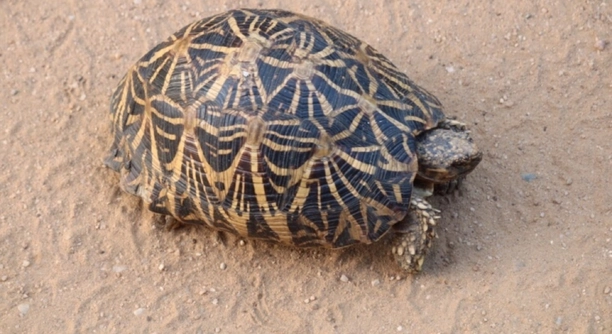
Indian Star Tortoises are known for their fascinating behavior and unique diet. These reptiles thrive on a variety of plants, but vegetables are an essential part of their nutrition. Understanding what they enjoy eating can help provide better care for them.
Indian Star Tortoises primarily consume a range of vegetables such as leafy greens, carrots, and squash. These vegetables provide essential vitamins and minerals to support their overall health, ensuring they maintain proper digestion and energy levels.
Choosing the right vegetables can make a significant difference in your tortoise’s diet. These tortoises prefer fresh, nutritious veggies that can enhance their well-being.
Leafy Greens: A Staple in Their Diet
Leafy greens are one of the most important vegetables for Indian Star Tortoises. These tortoises thrive on greens like dandelion leaves, collard greens, and mustard greens. These vegetables are rich in fiber, which is essential for their digestive health. Additionally, they provide important vitamins such as A and C, supporting overall well-being. The calcium found in these greens helps maintain strong shells and bones. Regularly offering leafy greens ensures your tortoise stays healthy and avoids common issues such as shell deformities. Make sure to wash them thoroughly before feeding to remove any pesticides.
Feeding a variety of leafy greens helps provide the necessary nutrients. Tortoises appreciate the diversity, which can also prevent them from getting bored with their food.
One important thing to remember is that leafy greens should be fresh and free from chemicals. Offering a mixture of different greens ensures that your tortoise gets a range of nutrients, which helps improve their energy levels. Try rotating between a few types to keep their diet interesting and beneficial. These greens are low in oxalates, meaning they don’t interfere with calcium absorption.
Carrots: Sweet and Nutritious
Carrots are another great vegetable to feed your Indian Star Tortoise. They are packed with beta-carotene, which is converted into vitamin A. This vitamin supports vision and immune function.
Squash: A Tasty Treat for Tortoises
Squash is a wonderful vegetable to add to your tortoise’s diet. It’s high in water content, which helps keep your tortoise hydrated. Squash also contains fiber, which promotes good digestion. Both the flesh and seeds are nutritious. Offering this vegetable regularly provides a good balance of vitamins and minerals. Always cut it into small, manageable pieces for easier consumption.
Squash provides essential nutrients such as vitamin A, C, and potassium, which help boost immune function and support overall health. Its soft texture makes it easy for tortoises to chew and digest.
This vegetable is also low in oxalates, so it won’t interfere with calcium absorption, making it a great choice for tortoises. You can feed your tortoise a variety of squash types, including zucchini and butternut squash. Be sure to remove any seeds that might be difficult to digest. Fresh squash is the best option, as it retains the most nutrients.
Cucumber: Refreshing and Hydrating
Cucumbers are perfect for keeping your tortoise hydrated, especially in warmer months. Their high water content helps support the tortoise’s hydration needs.
Sweet Potato: A Nutrient-Rich Choice
Sweet potato is another vegetable that Indian Star Tortoises enjoy. It is full of vitamins A and C, which help support their immune system and vision. The starch content also provides a slow-releasing energy source. Offering small pieces ensures easy digestion.
Sweet potatoes are also a good source of fiber, which helps maintain proper digestive health. They have a slightly sweet taste that tortoises enjoy, making it a good addition to their meals. This vegetable is best served cooked, as raw sweet potatoes may be hard for them to chew.
Bell Peppers: Vibrant and Packed with Nutrients
Bell peppers, especially the red, orange, and yellow varieties, are rich in vitamins A, C, and E. These vitamins support healthy skin, vision, and immune function. The sweet taste and crunchy texture make bell peppers a delightful snack for your tortoise. You can offer them raw, sliced into small pieces for easy consumption.
FAQ
Can Indian Star Tortoises eat tomatoes?
Yes, Indian Star Tortoises can eat tomatoes, but only in moderation. Tomatoes are rich in water and vitamin C, which are beneficial for hydration and overall health. However, they are also high in acidity, so feeding them too often could upset your tortoise’s stomach. Remove the seeds before feeding to avoid digestive issues. It’s best to offer tomatoes as an occasional treat rather than a regular part of their diet.
How often should I feed my tortoise vegetables?
Indian Star Tortoises should be offered vegetables daily. Aim for a variety of fresh, leafy greens and other vegetables like squash or carrots. You can provide them with food once a day, but make sure they are eating enough to meet their nutritional needs. If you notice that your tortoise is leaving food behind, adjust the portions accordingly. A balanced diet with a variety of vegetables ensures that they are getting a broad spectrum of nutrients.
Can I feed my tortoise lettuce?
Lettuce can be fed to Indian Star Tortoises, but it should not be the primary vegetable in their diet. Lettuce, especially iceberg lettuce, is mostly water and has minimal nutritional value. Romaine lettuce is a better choice as it contains more vitamins and fiber. Use lettuce sparingly, alongside more nutrient-dense vegetables, to ensure a well-rounded diet.
Is it okay to feed my tortoise fruits?
While fruits can be fed to Indian Star Tortoises, they should be given only occasionally. Fruits like apples, strawberries, and melons are high in sugar, which is not ideal for tortoises if fed too frequently. Offering fruits once or twice a week as a treat will provide a nice variety and some additional nutrients, but vegetables should always be the main part of their diet.
What vegetables should I avoid feeding my tortoise?
Certain vegetables should be avoided due to their high oxalate content, which can interfere with calcium absorption. Avoid feeding Indian Star Tortoises spinach, rhubarb, and beet greens. These vegetables can lead to health issues if consumed in large quantities over time. Additionally, avoid feeding them foods high in phosphorus or those that are too fatty or starchy, such as potatoes or avocados.
Can I feed my tortoise cooked vegetables?
Yes, you can feed your tortoise cooked vegetables, but it’s important to make sure they are cooked properly. Steaming or boiling vegetables lightly helps make them easier to digest and ensures that most of their nutrients are preserved. Avoid seasoning the vegetables, as salt and other seasonings can be harmful to your tortoise’s health. Some vegetables, like sweet potatoes, are best served cooked, while others, like leafy greens, should remain raw.
How do I know if my tortoise is eating enough?
Monitor your tortoise’s weight and activity level. If your tortoise is eating regularly but seems lethargic or is losing weight, it may not be getting enough food or nutrients. Healthy tortoises should be active and alert. Check the shell for any signs of malnutrition, such as softness or deformation. If you’re concerned about your tortoise’s eating habits, consulting a veterinarian is always a good idea.
Can I feed my tortoise the same vegetables every day?
While it’s fine to feed your tortoise vegetables daily, it’s important to rotate the types to provide variety and ensure they get a balanced intake of nutrients. Offering a range of leafy greens, root vegetables, and fruits gives them different vitamins and minerals. Avoid feeding the same vegetable too often, as it could lead to nutrient imbalances or cause your tortoise to get bored with its meals.
How much food should I give my tortoise?
The amount of food to give your tortoise depends on its size and age. A general guideline is to offer food that makes up about 5-10% of their body weight daily. Younger tortoises typically need more food because they are growing, while adults may eat less. Pay attention to how much they eat at each feeding and adjust portions if necessary. If your tortoise isn’t finishing its food, it may be getting too much, and you should reduce the portion.
Can I feed my tortoise store-bought salads or prepared mixes?
Store-bought salads or prepared mixes can be convenient, but they are not always the best option. Many pre-packaged salads contain icebergs or other low-nutrient lettuce, and some may include dressing or additives that could harm your tortoise. If you do use a prepared mix, check the ingredients carefully to ensure there are no harmful additives. It’s always better to prepare fresh salads with a variety of vegetables to ensure your tortoise gets the best nutrition.
Final Thoughts
Indian Star Tortoises are unique creatures with specific dietary needs. Providing the right vegetables is key to maintaining their health and well-being. A balanced diet rich in fiber, vitamins, and minerals ensures that they stay healthy and strong. Vegetables like leafy greens, carrots, and squash should be staples in their diet. These vegetables offer the essential nutrients required for proper digestion, immune support, and shell health. Remember to avoid feeding them vegetables that are too high in oxalates or ones that lack nutritional value, such as iceberg lettuce. It’s important to keep their diet varied to prevent them from becoming bored and to meet all their dietary needs.
While it’s important to provide the right vegetables, moderation is also essential. Too much of any vegetable can upset their digestive system or lead to nutritional imbalances. Introducing a variety of vegetables ensures that your tortoise gets a broad spectrum of nutrients, while occasional fruits or treats can provide some extra enjoyment. Always make sure to remove seeds or hard-to-digest parts of any vegetable to avoid potential issues. Fresh, clean food is the best option, and ensuring that you feed them daily will help them maintain proper nutrition. If you’re ever uncertain about their diet, consulting a vet who specializes in reptiles can offer you peace of mind.
Maintaining a healthy diet for your Indian Star Tortoise may seem challenging at first, but it’s really about understanding their needs and offering them a variety of fresh, natural foods. By paying attention to their specific nutritional requirements, you can support their long-term health and happiness. Regular feeding, proper food preparation, and awareness of what vegetables are best for them will ensure your tortoise thrives. With the right care, your Indian Star Tortoise can lead a long, healthy life, and you’ll be able to enjoy watching them grow and flourish in a safe, well-maintained environment.

Hello,
If you enjoy the content that we create, please consider saying a "Thank You!" by leaving a tip.
Every little bit helps us continue crafting quality advice that supports the health, happiness, and well-being of pets around the world, for pets of all shapes, sizes, and species.
We really appreciate the kindness and support that you show us!