
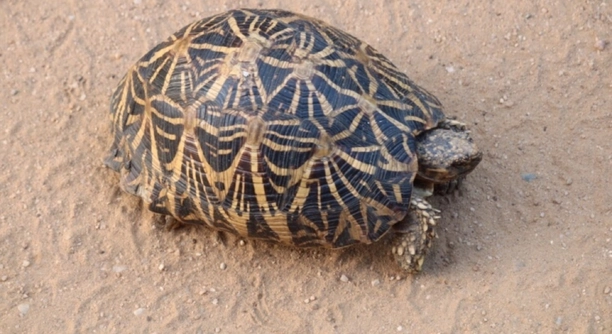
An Indian Star Tortoise is a fascinating pet that requires proper care for optimal health. Calcium plays a significant role in their development and overall well-being. Understanding how to ensure they receive enough calcium is crucial for their long-term health.
Signs that your Indian Star Tortoise needs more calcium include weakened shells, difficulty moving, and a lack of appetite. These symptoms are often linked to calcium deficiency, which can affect their bone structure and overall health. Regular monitoring is essential.
Maintaining proper calcium levels can prevent long-term issues and support your tortoise’s healthy growth. Understanding these signs will help ensure that your pet remains active and vibrant.
Signs of Calcium Deficiency in Your Indian Star Tortoise
Calcium is essential for your Indian Star Tortoise’s overall health, playing a crucial role in shell development and bone strength. A lack of calcium can lead to various issues, affecting the tortoise’s mobility and overall well-being. Recognizing the signs early can make a big difference in preventing further complications.
One of the most noticeable symptoms of calcium deficiency is softening or deformities in the shell. If your tortoise’s shell appears softer than usual, or if there are any irregularities, it’s important to address this issue quickly. Decreased calcium levels can result in shell deformities that may cause long-term damage. Additionally, calcium deficiency can also cause metabolic bone disease, which leads to weakened bones and joint problems. These symptoms are often accompanied by lethargy, decreased activity levels, and difficulty moving around, as the tortoise may find it harder to support its weight.
Your tortoise’s diet is key to preventing such issues. Offering the right balance of calcium-rich foods, such as dark leafy greens, can help maintain a healthy shell. Be sure to also dust their food with calcium supplements.
Causes of Calcium Deficiency
A common cause of calcium deficiency in tortoises is an improper diet. Without enough calcium in their food, tortoises may struggle to maintain healthy bones and shells.
If the diet lacks calcium-rich vegetables or supplements, tortoises are more likely to experience calcium deficiency. In some cases, the lighting and heat provided may also be insufficient, making it harder for the tortoise to absorb calcium properly. Ensuring access to UVB light and a proper temperature gradient will help them synthesize the vitamin D3 needed for calcium absorption. Without adequate lighting, your tortoise won’t be able to process the calcium in their diet effectively, leading to potential health problems.
Effects of Calcium Deficiency on Your Tortoise’s Shell
Without enough calcium, your tortoise’s shell can lose its strength and structure. It may become soft, flexible, and prone to deformities, making it harder for your tortoise to move properly. These changes are often irreversible and may significantly affect your tortoise’s quality of life.
A soft shell is a sign of severe calcium deficiency. This is typically accompanied by visible deformities, such as a collapsed or misshapen shell. These deformities can lead to serious health issues, including difficulty in self-defense, as the shell is the primary means of protection. Furthermore, a weakened shell makes your tortoise more susceptible to external injuries. Calcium plays a key role in shell growth and maintenance, and without adequate levels, your tortoise’s shell won’t develop properly, leaving it vulnerable to damage.
This condition can also cause your tortoise to experience discomfort and decreased mobility. If not addressed in time, it may result in permanent damage to the shell structure, affecting the tortoise’s overall well-being.
Preventing Calcium Deficiency in Your Tortoise
To avoid calcium deficiency, ensure your tortoise receives a balanced diet filled with calcium-rich foods. Dark leafy greens like kale and collard greens are excellent sources of calcium and should be a regular part of their diet.
Additionally, providing calcium supplements is an effective way to address any gaps in your tortoise’s nutrition. These supplements come in powder form and can be easily sprinkled onto their food. Another important aspect is ensuring proper lighting. A UVB light is essential for calcium absorption, as it helps synthesize Vitamin D3 in your tortoise’s body. Without adequate UVB light, your tortoise won’t be able to process calcium effectively, even if it’s present in their diet. Regularly changing the bulb to maintain proper UVB levels is key for the long-term health of your tortoise.
Proper diet and lighting are the foundation of calcium prevention. Adding calcium-rich foods and supplements to your tortoise’s diet and providing the right lighting will support their overall health.
Signs of Metabolic Bone Disease (MBD)
Metabolic Bone Disease is a direct result of calcium deficiency. Your tortoise may show signs of weakness, difficulty moving, and soft, brittle bones. As the disease progresses, it can lead to permanent deformities and severe pain.
When a tortoise suffers from MBD, it may have difficulty standing or walking. The bones may feel soft to the touch, and the shell can become misshapen. If untreated, MBD can cause permanent damage to the tortoise’s skeletal structure. The tortoise may also appear lethargic or less active than usual. If these signs are noticed, it’s crucial to address the calcium deficiency immediately.
Importance of Proper Lighting
UVB lighting is essential for calcium absorption. Without it, your tortoise won’t be able to properly process calcium from its food.
Tortoises need UVB light to produce Vitamin D3, which helps in calcium absorption. Without it, their bodies can’t use the calcium in their diet, leading to potential deficiencies. Keeping the right balance of light and temperature is critical for their health.
Checking for Soft Shells
A soft shell is a clear indication of calcium deficiency. It’s important to regularly check the firmness of your tortoise’s shell to catch any potential issues early.
FAQ
What are the common symptoms of calcium deficiency in tortoises?
Common signs include a soft or misshapen shell, lethargy, difficulty moving, and weakened bones. If the tortoise is not active and seems to struggle with basic movements, calcium deficiency could be the underlying cause. Pay attention to any changes in the shell’s appearance, as it is the first place calcium deficiency shows.
How can I prevent calcium deficiency in my tortoise?
The key to preventing calcium deficiency is a balanced diet rich in calcium. Offer foods like dark leafy greens, such as kale and collard greens. It is also important to provide a calcium supplement by dusting their food. Ensure they have access to proper UVB lighting, which helps them absorb calcium efficiently.
How often should I give my tortoise calcium supplements?
Calcium supplements should be provided a few times a week, depending on the tortoise’s diet. If your tortoise is already getting calcium-rich foods regularly, they may need fewer supplements. Too much calcium can lead to kidney issues, so balance is key.
What should I do if I suspect my tortoise has metabolic bone disease?
If you notice signs of metabolic bone disease (MBD) like soft bones or a misshapen shell, take your tortoise to a vet immediately. MBD can be serious, but with the right treatment, including proper diet adjustments and calcium supplementation, recovery is possible. Timely intervention is crucial to prevent permanent damage.
Can calcium deficiency cause shell deformities in tortoises?
Yes, calcium deficiency can cause deformities in the shell. A lack of calcium prevents proper shell growth, leading to soft, misshapen, or even collapsed shells. Regularly check your tortoise’s shell for any irregularities, especially if they show signs of lethargy or struggle with movement.
How long does it take for a tortoise to recover from calcium deficiency?
Recovery time can vary depending on the severity of the deficiency. Mild cases may show improvement within weeks after the proper diet and supplements are introduced. Severe cases, especially those involving metabolic bone disease or shell deformities, could take months to show noticeable improvements. Early intervention greatly speeds up recovery.
Is UVB light necessary for my tortoise?
Yes, UVB light is essential for tortoises. It helps them produce Vitamin D3, which is necessary for calcium absorption. Without adequate UVB lighting, calcium from their food can’t be processed properly, leading to deficiencies. Make sure your tortoise has access to UVB light for several hours a day.
How do I know if my tortoise is getting enough calcium?
Regularly check your tortoise’s shell for signs of softening or deformities. If the shell feels firm and intact, it is likely getting enough calcium. Additionally, a tortoise that is active, eating well, and moving freely is another indicator of adequate calcium levels.
Can I over-supplement my tortoise with calcium?
Yes, over-supplementing calcium can lead to health problems, including kidney issues and the formation of kidney stones. It’s important to follow the recommended dosage and ensure that calcium supplements are balanced with other nutrients. Too much calcium is just as harmful as too little.
What are the best foods for a calcium-rich diet for my tortoise?
Dark leafy greens like kale, dandelion greens, and collard greens are great sources of calcium. You can also provide certain flowers such as hibiscus and nasturtium. Offering a varied diet of calcium-rich vegetables and fruits will help maintain the tortoise’s overall health.
Is it okay to feed my tortoise calcium supplements every day?
Feeding calcium supplements every day is generally not recommended unless advised by a vet. Too much calcium can cause problems, including kidney damage. If your tortoise’s diet is calcium-rich, supplements should be given a few times a week to maintain balance.
Can my tortoise recover if it has a soft shell due to calcium deficiency?
If the shell is only mildly affected, your tortoise may recover with proper calcium supplementation and diet changes. However, if the shell is severely deformed or soft, it may not fully return to its original shape. Immediate action is important to prevent worsening the condition.
How can I improve my tortoise’s calcium absorption?
Ensure your tortoise has access to UVB light, as this is essential for the production of Vitamin D3, which is necessary for calcium absorption. A proper temperature gradient in their habitat also supports efficient calcium processing. Combining these factors will improve calcium absorption.
Do different tortoise species require different amounts of calcium?
Yes, different tortoise species have varying calcium requirements depending on their natural diet and habitat. However, most terrestrial tortoises, like the Indian Star Tortoise, need a diet rich in calcium. It’s essential to research the specific calcium needs of your species to ensure optimal health.
Is it too late to help my tortoise if it shows signs of calcium deficiency?
It is never too late to help a tortoise showing signs of calcium deficiency. Early intervention is crucial, but even in more advanced cases, changes to diet, supplements, and lighting can help your tortoise recover. The sooner the deficiency is addressed, the better the outcome.
Should I give my tortoise a calcium bath?
A calcium bath is sometimes used to help tortoises absorb calcium through their skin. This practice is often used as a supplemental measure but should not replace proper diet and UVB lighting. Consult with a vet before using calcium baths to ensure it is the right option for your tortoise.
Can a calcium deficiency affect my tortoise’s behavior?
Yes, a calcium deficiency can cause behavioral changes, such as lethargy, reduced appetite, and a lack of interest in activities. Your tortoise may appear less active or more withdrawn. If you notice these behavioral shifts, it may be time to check their calcium intake and environmental factors.
How do I ensure my tortoise gets the right amount of UVB light?
To ensure your tortoise gets enough UVB light, use a high-quality UVB bulb designed for reptiles. The light should be positioned within the proper distance from your tortoise, as indicated by the manufacturer’s instructions. Regularly change the bulb as it loses effectiveness over time.
Is it normal for my tortoise to have occasional soft spots on its shell?
No, occasional soft spots are not normal and could indicate a calcium deficiency. If you notice soft areas on your tortoise’s shell, it is important to check their diet and UVB light. This could be a sign that they need immediate attention to prevent further complications.
Final Thoughts
Calcium is an essential nutrient for the overall health of your Indian Star Tortoise. Ensuring that your tortoise gets enough calcium through its diet and supplements is crucial for maintaining a strong and healthy shell, as well as supporting proper bone growth. A deficiency in calcium can lead to serious health issues, such as metabolic bone disease, which can cause deformities and a weakened shell. It’s important to closely monitor your tortoise’s behavior and shell condition to identify early signs of deficiency and take corrective actions.
To prevent calcium deficiency, it’s important to provide a balanced diet rich in calcium. Offering dark leafy greens like kale, collard greens, and dandelion leaves can ensure they receive this vital nutrient. Additionally, providing calcium supplements can help fill any gaps in their diet. Make sure that your tortoise also has access to proper UVB lighting, which is necessary for the absorption of calcium. Without UVB light, your tortoise may struggle to absorb the calcium from its food, even if the diet is rich in calcium. Be mindful of the lighting and supplement schedules to ensure a healthy balance for your tortoise.
If you notice any signs of calcium deficiency, such as lethargy, a soft or misshapen shell, or difficulty moving, it’s important to seek veterinary advice. Early intervention is key to avoiding long-term damage. In addition to correcting the calcium deficiency, your vet can help guide you on the best way to manage your tortoise’s overall care. With the proper diet, supplements, and UVB lighting, you can help your Indian Star Tortoise maintain strong bones and a healthy shell, ensuring a long and healthy life.

Hello,
If you enjoy the content that we create, please consider saying a "Thank You!" by leaving a tip.
Every little bit helps us continue crafting quality advice that supports the health, happiness, and well-being of pets around the world, for pets of all shapes, sizes, and species.
We really appreciate the kindness and support that you show us!