
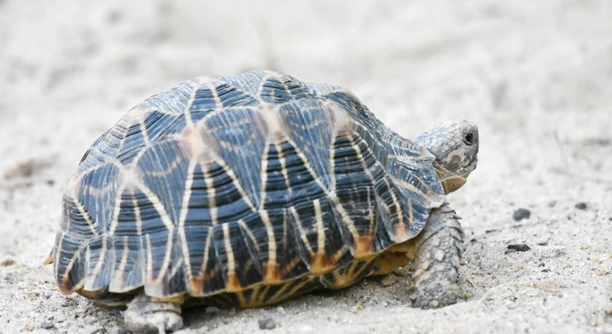
If your Indian Star Tortoise’s shell seems softer than usual, you might be concerned. A soft shell can indicate a few health issues, and it is essential to understand what may be affecting its condition.
The primary reason for a soft shell in Indian Star Tortoises is inadequate calcium intake, often caused by poor diet or improper lighting. Calcium is vital for shell and bone health. A lack of UVB light can also contribute to shell softness.
Addressing this issue will ensure your tortoise’s shell is properly maintained. We will explore the causes behind soft shells and how to prevent or treat this condition effectively.
Why Calcium is Key for a Healthy Shell
A lack of calcium is the most common reason for a soft shell in Indian Star Tortoises. Calcium is essential for the development and strength of their shells. Without it, their shells can become soft and pliable, making them more vulnerable to damage. Tortoises in the wild typically obtain calcium from plants and natural sunlight. However, pet tortoises are reliant on you to provide a balanced diet and proper care.
Calcium deficiencies can be addressed with the right food, supplements, and lighting. A calcium-rich diet should include dark leafy greens, such as kale and dandelion, and foods like clover. Additionally, calcium supplements, especially in powdered form, can be sprinkled over their food to ensure adequate intake.
UVB light is just as important as calcium in maintaining shell health. Without proper UVB lighting, your tortoise cannot process calcium effectively. UVB exposure is crucial for tortoises kept indoors, as it mimics the sunlight they would get in the wild. Without it, they may not absorb calcium properly, leading to soft shells.
Improper Diet and Shell Health
Feeding your tortoise a diet lacking in essential nutrients can result in a soft shell. Many commercial tortoise foods are low in calcium.
The best way to support your tortoise’s shell is by providing a varied diet that includes fresh vegetables and safe plants. For indoor tortoises, adding supplements can ensure they’re getting enough calcium. Proper lighting is just as important as food. Without it, their bodies can’t process nutrients correctly, leading to a weakened shell. By offering a balanced diet and access to UVB light, you can ensure your tortoise’s health and prevent the shell from becoming soft.
Importance of UVB Lighting
UVB lighting plays a crucial role in maintaining the health of your tortoise’s shell. Without it, their bodies cannot process calcium properly, leading to soft shells. It’s important to use a high-quality UVB bulb specifically designed for reptiles, and it should be placed at the right distance to ensure effective absorption.
UVB lighting helps tortoises synthesize vitamin D3, which is necessary for calcium absorption. Without adequate UVB exposure, even with calcium supplements, your tortoise may still face deficiencies. Tortoises in the wild naturally get UVB from sunlight, but indoor tortoises rely on artificial lighting.
For best results, the UVB bulb should be changed every six months. Over time, UVB bulbs lose their effectiveness, even if they still produce visible light. Providing 12 to 14 hours of light daily will mimic a natural day-night cycle, helping your tortoise stay healthy.
Shell Care and Regular Monitoring
Regularly monitoring your tortoise’s shell is essential to catch any potential issues early. If you notice that the shell is still soft despite diet and lighting adjustments, you may need to consult a vet. Softness can also signal other health issues, such as infections.
Proper shell care includes keeping the environment clean and ensuring the tortoise has enough space to move around. When a tortoise doesn’t get enough exercise, its shell may soften. This is because the lack of physical activity can lead to weak bone and shell structure. A well-maintained habitat ensures that your tortoise stays active and healthy.
A clean enclosure also helps prevent infections that could further weaken the shell. Regular vet check-ups are important to ensure everything is on track with your tortoise’s health.
Temperature and Humidity
The right temperature and humidity levels are essential for your tortoise’s shell health. If the enclosure is too cold or too dry, it can weaken their immune system and affect shell development. Ensure your tortoise’s environment stays within the recommended range for both temperature and humidity.
Proper temperature control promotes healthy digestion, activity, and overall well-being. It also supports the proper absorption of calcium when combined with UVB lighting. Use a thermometer and hygrometer to maintain consistent conditions. If you notice signs of illness, adjusting temperature and humidity may help restore balance.
Regular Shell Cleaning
Keeping your tortoise’s shell clean helps prevent infections and promotes a healthy shell. Dirt and debris can build up, leading to potential bacterial growth. A gentle cleaning with warm water helps to remove waste and keeps the shell healthy.
A clean shell allows your tortoise to bask properly, preventing moisture retention. Additionally, regular cleaning ensures that you can monitor the condition of the shell. If there are any signs of damage or soft spots, cleaning gives you the opportunity to notice and address them early.
FAQ
What causes a soft shell in an Indian Star Tortoise?
A soft shell in an Indian Star Tortoise is commonly caused by calcium deficiency, inadequate UVB light exposure, or poor diet. Without the right nutrients and proper lighting, the tortoise’s shell cannot develop correctly and may become soft and vulnerable. A balanced diet rich in calcium, along with adequate UVB lighting, can help prevent this issue.
How can I fix a soft shell in my tortoise?
To fix a soft shell, focus on providing a calcium-rich diet and proper UVB lighting. Calcium supplements can be sprinkled over food, and dark leafy greens should be included in the diet. Additionally, ensure that your tortoise is exposed to 12-14 hours of UVB light daily, either from natural sunlight or a specialized bulb.
How do I know if my tortoise is getting enough calcium?
The best way to ensure your tortoise gets enough calcium is by feeding a variety of calcium-rich foods like kale, dandelion greens, and clover. Adding calcium supplements to their food can also help. If you are unsure, consult a vet to check for any signs of calcium deficiency.
Can my tortoise’s shell harden again after becoming soft?
With the right care, such as calcium supplementation and UVB exposure, your tortoise’s shell can harden again. However, the process may take time and depends on how long the deficiency has been present. Early intervention is key to successful recovery.
What type of UVB light should I use for my tortoise?
Use a UVB light that is specifically designed for reptiles. It should emit both UVA and UVB rays to ensure proper vitamin D3 synthesis. The bulb should be placed at an appropriate distance from your tortoise, as recommended by the manufacturer, and replaced every 6 months to maintain its effectiveness.
How long should my tortoise be exposed to UVB light each day?
Tortoises should be exposed to UVB light for 12 to 14 hours a day. This mimics the natural sunlight they would receive in the wild and helps them synthesize vitamin D3, which is necessary for calcium absorption and overall health.
Can a soft shell cause other health issues?
Yes, a soft shell can lead to further complications such as infections, deformities, or difficulties in mobility. If left untreated, it can affect the tortoise’s overall health and even shorten its lifespan. Addressing the cause of the soft shell promptly is essential for your tortoise’s well-being.
What should the temperature be for my tortoise’s habitat?
The temperature should be between 75-85°F (24-29°C) during the day, with a basking spot reaching around 90°F (32°C). At night, the temperature can drop slightly, but it should not go below 70°F (21°C). Consistent temperatures are important for digestion and metabolism.
What type of food should I feed my Indian Star Tortoise?
Feed your tortoise a variety of leafy greens such as kale, dandelion greens, and collard greens. Offer grasses and edible flowers as well. Avoid feeding them high-protein or high-oxalate foods, like spinach or lettuce, as these can lead to health problems.
Can I give my tortoise fruits?
Fruits can be given in moderation, but they should not make up a large part of the diet. While fruits provide some vitamins and hydration, they are high in sugar and can cause digestive issues if fed too frequently. Stick to small amounts of fruits like melon or berries as an occasional treat.
How often should I clean my tortoise’s shell?
Clean your tortoise’s shell regularly to remove dirt, waste, and any potential fungal or bacterial growth. Gently wash the shell with warm water and a soft brush. This can be done once a week or whenever necessary, especially if your tortoise is active outside.
Should I take my tortoise to the vet if its shell is soft?
If your tortoise’s shell is soft despite improving diet and lighting, it’s a good idea to consult a vet. A veterinarian can assess your tortoise’s overall health and recommend any additional treatments. Early intervention can prevent further complications.
What if my tortoise refuses to eat calcium-rich foods?
If your tortoise is not eating calcium-rich foods, try offering a variety of options or sprinkle calcium supplements on the food they prefer. You can also try mixing the supplements into their favorite vegetables to mask the taste. Gradually introducing new foods may help them adjust.
How can I make sure my tortoise gets enough exercise?
Provide your tortoise with a spacious habitat to encourage movement. You can also let your tortoise roam in a safe, supervised outdoor area where it can explore and stay active. Regular exercise is important for overall health and shell strength.
Is it safe to feed my tortoise vegetables from my garden?
Vegetables from your garden can be safe for your tortoise as long as they have not been treated with pesticides or chemicals. It’s important to wash the plants thoroughly before feeding them. Avoid using plants that are toxic to tortoises, like tomatoes or potatoes.
What can I do if my tortoise’s shell is getting too hard?
If your tortoise’s shell seems too hard or rigid, ensure that it’s not a sign of dehydration or improper diet. Offering proper hydration, maintaining balanced humidity, and ensuring access to the right nutrients will help prevent excessive hardness. It’s best to monitor your tortoise’s shell regularly.
How do I adjust my tortoise’s diet for different life stages?
As your tortoise grows, its dietary needs may change. Young tortoises require more protein and calcium for growth, while adult tortoises need more fiber and fewer protein-rich foods. Adjusting the balance of greens, grasses, and supplements will help meet their specific needs at different life stages.
Final Thoughts
Taking proper care of an Indian Star Tortoise is essential to maintaining its overall health and well-being. Soft shells are a common issue that can often be prevented with the right environment, diet, and care. Ensuring that your tortoise has access to sufficient UVB lighting, calcium-rich foods, and the proper temperature and humidity will help keep its shell strong and healthy. Regular monitoring of its condition is important, as early intervention can make a significant difference in recovery.
It’s also important to recognize that every tortoise is unique and may have different needs based on its environment, age, and health. If you notice any signs of a soft shell or other issues, it’s a good idea to consult a vet. A professional can offer advice and treatments to address any health concerns. While proper diet and lighting are often the first steps in preventing soft shells, sometimes medical intervention may be necessary to ensure long-term health.
By understanding the factors that contribute to a soft shell and taking proactive measures, you can help your Indian Star Tortoise lead a long and healthy life. With patience, care, and the right environment, your tortoise can thrive and avoid shell problems in the future.

Hello,
If you enjoy the content that we create, please consider saying a "Thank You!" by leaving a tip.
Every little bit helps us continue crafting quality advice that supports the health, happiness, and well-being of pets around the world, for pets of all shapes, sizes, and species.
We really appreciate the kindness and support that you show us!