
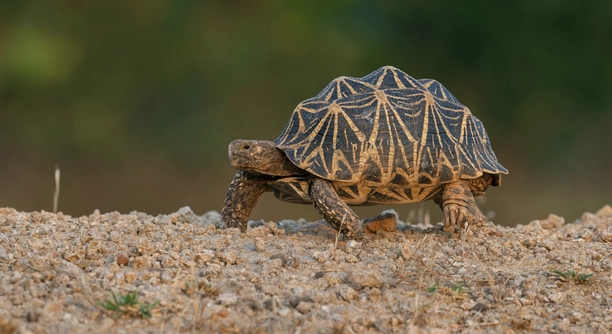
Indian Star Tortoises are fascinating creatures, known for their beautiful shells and gentle nature. Their growth can sometimes be a challenge to manage, especially during growth spurts. Proper care is key to their development.
Managing growth spurts in Indian Star Tortoises involves providing a balanced diet, regular exercise, and proper habitat conditions. Ensuring they receive adequate calcium, vitamin D3, and UVB light is essential for healthy shell and bone development during these periods.
By understanding these crucial factors, you can support your tortoise’s growth and health effectively. This article will provide valuable tips to manage their needs and ensure they thrive throughout their growth stages.
1. Importance of a Balanced Diet for Growth Spurts
A well-balanced diet is essential for Indian Star Tortoises, especially during growth spurts. During these times, their bodies are rapidly developing, and they require more nutrients than usual. A diet rich in calcium, fiber, and essential vitamins supports bone health, shell growth, and overall well-being. Leafy greens, such as dandelion greens, collard greens, and kale, should be offered regularly. Additionally, fruits like apples and berries can be given as treats, but they should be used sparingly due to their high sugar content.
A proper diet not only boosts their growth but also strengthens their immune system. Without the right nutrition, your tortoise may experience weak bones and shells. Calcium supplementation is especially important during this time, as it helps in the development of strong bones and shell structure.
It’s important to note that a high-protein diet can be harmful to their health. Too much protein can lead to kidney damage and shell deformities. Stick to a variety of plant-based foods that mimic their natural diet.
2. The Role of Habitat and UVB Lighting
Creating the right habitat for your tortoise is just as important as diet. The right temperature and humidity levels, along with sufficient UVB lighting, play a crucial role in their growth and health. UVB rays allow your tortoise to produce vitamin D3, which is essential for calcium absorption. Without proper UVB exposure, your tortoise could develop metabolic bone disease.
A basking spot should be available where they can warm up, but it should not be too hot. A temperature gradient from warm to cooler areas in the habitat will allow your tortoise to regulate its body temperature. Make sure the habitat is large enough for them to move around and exercise freely.
Maintaining the right environment ensures that your tortoise thrives. The ideal UVB bulbs should be replaced every six months, as their effectiveness decreases over time. The proper habitat setup encourages growth, and it also helps prevent health issues. Without UVB, their shell growth could be hindered, and they may face other complications.
3. The Importance of Regular Exercise
Regular exercise is vital for a healthy growth spurt in Indian Star Tortoises. Without it, they can become overweight or develop health issues. Let them roam freely in a safe, enclosed area, so they can explore and move around. This helps strengthen their muscles and keeps them active.
Ensure their exercise environment is safe and free from hazards. Tortoises tend to be slow, so giving them space to move naturally encourages healthy physical development. Short, frequent exercise sessions are preferable, especially during growth spurts, as it keeps them active without overwhelming them. Regular movement supports better bone density and overall strength.
Exercise also improves digestion. When tortoises are active, their metabolism functions more efficiently, helping them process food and nutrients better. This is especially important during growth spurts when they need extra energy. The combination of exercise and a good diet promotes healthier, stronger shells and bones.
4. Hydration and Proper Water Intake
Tortoises need to stay hydrated, particularly during periods of rapid growth. While they don’t require excessive amounts of water, it’s crucial to offer fresh water daily. A shallow water dish that they can easily access should be provided. Hydration is essential for digestion and nutrient absorption.
Hydration helps maintain healthy skin and shell, as dehydration can cause shedding issues. Regular soaking can also encourage them to drink more water. Additionally, providing water for soaking will help keep them hydrated while supporting their overall health. This is an essential part of their care routine, especially during growth spurts.
A healthy tortoise will regularly drink water, and soaking also aids in cleaning their shells. Keep a consistent water schedule and ensure their habitat is always clean to avoid any bacteria buildup. Maintaining proper hydration levels during growth ensures your tortoise stays healthy as it develops.
5. Monitoring Growth Progress
Keep track of your tortoise’s growth regularly. Measure their shell length and weight every few months to ensure they are growing at a healthy rate. Documenting this progress helps identify any growth issues early on, allowing for prompt adjustments in diet, habitat, or care.
If you notice slow growth or weight loss, it could signal a problem. This might be due to diet, inadequate lighting, or insufficient space to exercise. Regular monitoring will also let you know if your tortoise is getting too large for its habitat. Timely intervention ensures proper growth.
6. Adjusting Their Habitat as They Grow
As your tortoise grows, its habitat needs will change. Initially, a small enclosure may suffice, but as they grow, a larger space is essential to accommodate their expanding size and to allow them to move freely.
Adding more space ensures they stay active, promoting proper development. As the tortoise grows, adjust the habitat to reflect its increased needs. This will help with their physical development and reduce stress. Be mindful of adjusting temperature and humidity levels accordingly to create a comfortable environment.
7. Managing Stress During Growth Spurts
Stress can interfere with healthy growth in Indian Star Tortoises. Changes in their environment, overhandling, or overcrowded spaces can lead to anxiety, affecting their appetite and overall well-being. Ensure their habitat remains calm and quiet, and avoid unnecessary disruptions.
FAQ
How do I know if my Indian Star Tortoise is growing at a healthy rate?
You can track your tortoise’s growth by measuring its shell length and weight regularly. Healthy growth typically means an increase in both size and weight over time. If the growth seems slower than expected or if your tortoise isn’t gaining weight, it might be due to factors like poor diet or improper habitat conditions.
What should I feed my Indian Star Tortoise during a growth spurt?
During a growth spurt, it’s essential to provide a varied diet rich in calcium, fiber, and vitamins. Leafy greens like dandelion greens, collard greens, and kale should be staples. Fruits, such as apples or berries, can be given occasionally. Avoid high-protein foods, which can cause long-term health issues. Calcium supplements are also recommended to support shell and bone growth.
Can I give my Indian Star Tortoise fruit every day?
Fruit should be given in moderation. While fruits are a good source of vitamins and hydration, they are also high in sugar. Feeding fruit every day could lead to health problems, such as obesity or digestive issues. Stick to offering fruit a few times a week, ensuring it’s balanced with more fibrous, leafy greens.
What kind of lighting do I need for my Indian Star Tortoise?
UVB lighting is essential for your tortoise’s growth, as it helps them absorb calcium and maintain healthy bones and shells. You should use a UVB bulb designed specifically for reptiles. The bulb should be replaced every six months to ensure its effectiveness. Your tortoise will also need access to a basking area with the right temperature gradient to regulate its body heat.
How often should I soak my Indian Star Tortoise?
Soaking your tortoise once or twice a week is recommended, especially during dry seasons. It helps maintain hydration and keeps the tortoise’s skin and shell healthy. However, don’t over-soak, as it can stress them out. Offer a shallow dish of water daily for them to drink from at their own pace.
Is it okay to handle my Indian Star Tortoise during growth spurts?
Handling should be kept to a minimum during growth spurts. Overhandling can stress your tortoise, potentially affecting its growth. Allow your tortoise to grow and develop naturally in a stable environment. When you do handle them, ensure it’s gentle and for short periods.
What temperature should I maintain in my tortoise’s enclosure?
The temperature in the basking area should be between 90-95°F (32-35°C), with cooler areas of the enclosure ranging from 75-85°F (24-29°C). This gradient allows the tortoise to regulate its body temperature. It’s important to monitor temperatures regularly to ensure they stay within the correct range for their health.
Can stress affect my tortoise’s growth?
Yes, stress can significantly impact growth. Environmental changes, too much handling, or overcrowded spaces can cause anxiety, leading to a lack of appetite and stunted growth. Keeping their environment calm and undisturbed is essential for their well-being and healthy growth.
What size enclosure does my Indian Star Tortoise need as it grows?
As your tortoise grows, it will need more space. Start with a minimum of 40-50 gallons of space for a young tortoise. As they grow, you should upgrade to a larger enclosure. Adult tortoises typically need at least 100 gallons of space, preferably larger, to allow them to move freely.
Can I house my tortoise with other tortoises?
It’s generally not recommended to house multiple tortoises together unless you have a large enough enclosure. Tortoises can be territorial, and overcrowding can lead to stress or fighting. If you do decide to house multiple tortoises, make sure the space is large enough for each tortoise to have its own area.
What should I do if my tortoise isn’t eating during a growth spurt?
Loss of appetite during a growth spurt could be a sign of stress, improper lighting, or an unbalanced diet. Make sure their habitat is correct in terms of temperature and humidity, and ensure they are receiving enough UVB light and calcium. If the issue persists, consult a veterinarian.
How do I know if my tortoise has a calcium deficiency?
A calcium deficiency can show up as soft, deformed shells or weak bones. You may notice your tortoise’s shell lacks the usual firmness or shows signs of softening, especially around the edges. If you suspect a calcium deficiency, increase their calcium intake through supplements or by providing more calcium-rich foods. A vet visit is also recommended to confirm the issue.
Are there any signs of illness I should watch for during a growth spurt?
Look for signs like lethargy, abnormal shell growth, difficulty moving, or a loss of appetite. These can indicate health problems, such as metabolic bone disease, respiratory infections, or internal parasites. Early detection is key, so regular health checks and a balanced care routine are important.
How can I tell if my tortoise is getting too much protein?
Excessive protein intake can lead to kidney problems or shell deformities. If your tortoise is eating a lot of high-protein foods like animal protein or certain commercial foods, reduce their intake. Instead, focus on plant-based foods like leafy greens and vegetables, which are more suited to their nutritional needs.
Do Indian Star Tortoises need any special care in colder months?
During colder months, it’s essential to maintain a stable temperature in their habitat. Ensure that the basking spot remains warm enough, and use a heater if necessary. Indian Star Tortoises are cold-blooded, so they rely on external heat sources for digestion and overall health. Avoid letting the temperature drop too low, as it can cause health issues.
How do I prevent shell rot in my Indian Star Tortoise?
Shell rot is often caused by poor humidity levels or a dirty environment. To prevent it, ensure your tortoise’s enclosure is kept clean, and maintain proper humidity. Provide a dry area for basking and a slightly more humid area for soaking. If you notice any signs of shell rot, such as soft or discolored areas, consult a vet immediately.
Is it necessary to give my tortoise supplements?
Supplements, such as calcium and vitamin D3, are often necessary to ensure your tortoise’s bones and shell remain healthy. They can help fill any gaps in their diet, especially if they don’t get enough calcium from their food alone. Always follow the instructions on supplement packaging and consult a veterinarian for specific needs.
Final Thoughts
Managing the growth of an Indian Star Tortoise requires attention to several key factors, including diet, habitat, and general care. As your tortoise grows, it’s important to monitor its health and adjust its care routine accordingly. Providing a balanced diet with the right amount of calcium, fiber, and hydration will help your tortoise thrive during growth spurts. Additionally, maintaining the proper temperature and lighting in its enclosure ensures it has the right environment for optimal development. Regularly observing your tortoise’s behavior and growth can help you identify any potential issues before they become serious.
While growth spurts are a natural part of your tortoise’s development, they can sometimes come with challenges. It’s essential to keep track of your tortoise’s physical condition during these periods. If you notice any signs of stunted growth, loss of appetite, or other health concerns, it’s important to address them promptly. Adjustments to their diet or environment may be necessary. Consulting with a reptile veterinarian for guidance can be beneficial, especially if you’re uncertain about the best course of action for your tortoise. They can offer personalized advice based on your specific situation.
In conclusion, managing the growth of your Indian Star Tortoise involves a combination of proper care, nutrition, and a stable environment. By staying attentive to its needs and making informed decisions, you can ensure that your tortoise grows into a healthy adult. Growth spurts may be a sign of positive development, but they also require you to be proactive in providing the right care. With patience and consistency, your tortoise will have the best chance of living a long, healthy life.

Hello,
If you enjoy the content that we create, please consider saying a "Thank You!" by leaving a tip.
Every little bit helps us continue crafting quality advice that supports the health, happiness, and well-being of pets around the world, for pets of all shapes, sizes, and species.
We really appreciate the kindness and support that you show us!