
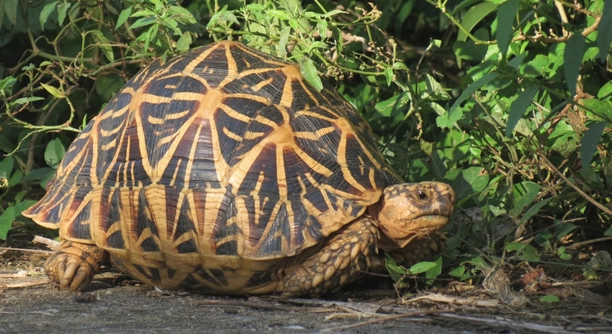
Setting up an outdoor enclosure for your Indian Star Tortoise can be a rewarding task. It provides them with a safe and enriching environment to thrive. Proper planning ensures their well-being and helps mimic their natural habitat.
To create a suitable outdoor enclosure for your Indian Star Tortoise, you need to consider factors like space, shelter, temperature, and safety. Providing an area with access to sunlight, appropriate hiding spots, and a secure perimeter will promote a healthy and comfortable environment.
With the right setup, your tortoise will enjoy a stimulating and safe space. The following tips will guide you in creating an ideal outdoor enclosure that meets all their needs.
Choosing the Right Location for the Enclosure
When selecting a spot for your tortoise’s outdoor enclosure, sunlight is key. Indian Star Tortoises need direct exposure to sunlight to regulate their body temperature. Choose a location that receives a good amount of sunlight throughout the day. Avoid shaded areas or spots that may become too hot in the afternoon.
A level, well-drained area is important for setting up the enclosure. Ensure the ground does not flood during rain, as this can cause discomfort and even illness for your tortoise. A raised enclosure or a slight incline can help prevent water buildup. You should also make sure the spot is away from heavy foot traffic, as constant disturbances can stress your tortoise.
For extra protection, position the enclosure near natural vegetation. This provides shelter and protection from wind while helping create a more natural atmosphere. Consider the location’s proximity to predators, as it should be secure and safe from animals that may harm your tortoise.
Creating the Right Shelter
Your tortoise needs both sun and shade in its outdoor enclosure. While sunlight is essential, too much direct heat can lead to overheating. Providing a shaded area or a small shelter is crucial to help your tortoise regulate its temperature. A simple, well-ventilated hut or a few strategically placed plants will do the trick.
The shelter should offer enough space for your tortoise to retreat during the hottest parts of the day. Ensure it’s easy to clean and large enough to prevent stress. Make sure it also provides some protection against rain. You may want to use materials like wood or plastic that are easy to maintain.
Fencing and Security Measures
To keep your tortoise safe, a sturdy fence is essential. The fence should be tall enough to prevent your tortoise from climbing or escaping. Ideally, it should be at least 18 to 24 inches high, with no gaps that a tortoise could slip through.
It’s important to bury the bottom of the fence several inches into the ground. This will prevent your tortoise from digging under it. A solid barrier, such as a wooden or plastic fence, is preferable. Be sure to check for loose areas regularly, as tortoises are known to test their boundaries. If you live in an area with predators like raccoons or dogs, consider adding an extra layer of security with a wire mesh around the enclosure’s perimeter.
Temperature Control
Temperature regulation is a critical factor for the health of your tortoise. Indian Star Tortoises thrive in warm climates, but the temperature should not exceed 90°F during the day. Ensure the enclosure has areas with both sun and shade to allow your tortoise to regulate its body temperature naturally.
To maintain proper heat, create a basking spot where the tortoise can warm itself under the sun. This can be done by placing flat rocks or other materials in the sunniest area of the enclosure. At night, the temperature should ideally drop to 70°F to mimic natural conditions. You can use heating lamps or underground heating pads to maintain warmth in cooler weather.
Enclosure Size
The size of your tortoise’s enclosure plays a major role in its well-being. Indian Star Tortoises need plenty of room to roam. A minimum of 100 square feet is recommended for a single tortoise, but the more space, the better.
Larger enclosures allow your tortoise to explore, forage, and engage in natural behaviors. If you plan to keep multiple tortoises, the size should increase accordingly. Avoid overcrowding, as this can lead to stress and aggression among them. If space is limited, consider using vertical space with climbing structures, though the primary focus should be on ample floor space.
Substrate and Bedding
The type of substrate in your tortoise’s enclosure affects its comfort and health. Choose a substrate that retains moisture without becoming too wet, like coconut coir or a mix of soil and sand. Avoid using cedar or pine chips, as they can cause respiratory issues.
A good layer of substrate helps maintain humidity levels and provides a comfortable surface for your tortoise to dig. Regularly spot clean and replace the bedding to ensure it stays clean and dry. An added benefit of a good substrate is that it allows your tortoise to exhibit natural digging behaviors, which helps prevent boredom.
Water Access
Indian Star Tortoises need access to clean, fresh water at all times. Place a shallow dish of water in the enclosure that is large enough for your tortoise to soak in. Make sure the water is not too deep to prevent accidental drowning.
You should change the water daily to keep it clean and free of bacteria. Keep the dish in a spot that is easily accessible but not in direct sunlight, as the water can heat up quickly. Regular soaking can help keep your tortoise hydrated and aid in the shedding of its skin.
FAQ
How much space does an Indian Star Tortoise need in its enclosure?
An Indian Star Tortoise needs at least 100 square feet of space for a single tortoise. The more space you provide, the better, as it allows the tortoise to roam and explore. If you have more than one tortoise, you’ll need to increase the size accordingly. Larger enclosures mimic their natural environment, promoting physical and mental health. Ensure the space is secure and free from potential hazards that could harm your tortoise.
Can I keep more than one Indian Star Tortoise in the same enclosure?
Yes, you can keep more than one Indian Star Tortoise together, but you must consider their individual needs. Make sure the enclosure is large enough to accommodate multiple tortoises. It’s important to monitor their behavior, as tortoises can be territorial. If you notice signs of aggression or stress, you may need to separate them. Each tortoise should have enough space to eat, bask, and explore without interference from others.
What should I use for bedding in an outdoor tortoise enclosure?
A good bedding choice for outdoor enclosures includes coconut coir, a mix of soil and sand, or organic topsoil. These materials retain moisture but don’t stay wet for too long, which is important for maintaining a healthy environment. Avoid using cedar or pine shavings, as they can cause respiratory problems in tortoises. Bedding should be deep enough for your tortoise to dig and burrow but also easy to clean. Replace bedding regularly to keep the enclosure fresh and hygienic.
Do I need to add plants to my tortoise’s enclosure?
Adding plants can help make the enclosure feel more natural and provide some shade for your tortoise. However, make sure any plants you use are safe for tortoises, as some plants can be toxic. Non-toxic options include dandelions, clover, and grasses. Plants provide hiding places and additional opportunities for foraging. Be sure to research safe plant varieties and avoid using any pesticides or chemicals around the plants in your tortoise’s enclosure.
How do I keep my tortoise warm in colder weather?
In colder weather, you need to provide warmth for your Indian Star Tortoise. If temperatures drop below 70°F at night, consider using a heat lamp or an underground heating pad to maintain a comfortable temperature. Ensure that the heat source is safe and placed away from areas where the tortoise may accidentally burn itself. During the day, your tortoise should have access to sunlight or a basking spot that mimics the warmth of the sun. A temperature range of 75°F to 90°F is ideal during the day.
What kind of shelter should I provide for my Indian Star Tortoise?
A shelter is necessary for protecting your tortoise from extreme weather, such as rain or intense sun. You can create a small, simple hut or structure that allows your tortoise to retreat when it needs shade or warmth. Ensure that the shelter is dry, well-ventilated, and large enough for your tortoise to move around comfortably. Avoid putting the shelter in an area where water can easily accumulate, as wet conditions can lead to respiratory infections.
How do I ensure my tortoise’s enclosure is predator-proof?
To keep your tortoise safe from predators, install a secure fence around the enclosure. The fence should be at least 18 to 24 inches high and buried several inches into the ground to prevent digging. It’s also a good idea to cover the top with wire mesh to keep out birds or other animals. Regularly check the perimeter for any holes or weaknesses in the fencing. If you live in an area with common predators like raccoons, foxes, or dogs, consider adding extra layers of protection.
Do I need to provide UVB lighting for my tortoise?
Yes, UVB lighting is important if your tortoise is kept indoors or in an area with limited natural sunlight. UVB helps your tortoise produce vitamin D3, which is essential for calcium absorption and shell health. Make sure the UVB light is placed within the tortoise’s reach, but not too close to prevent overheating. If your tortoise spends time outdoors in direct sunlight, natural UVB exposure will generally be sufficient, but it’s important to monitor their time in the sun to avoid overheating.
How often should I clean my tortoise’s outdoor enclosure?
You should spot clean your tortoise’s enclosure daily, removing any waste, uneaten food, and debris. This helps keep the environment hygienic and reduces the risk of health problems. Every week, perform a deeper cleaning by replacing bedding, checking for mold or bacteria, and disinfecting surfaces. Ensure that the water dish is cleaned daily and refilled with fresh water. Keeping the enclosure clean is vital for preventing disease and providing a safe, healthy environment for your tortoise.
What should I feed my Indian Star Tortoise?
Indian Star Tortoises are herbivores and need a varied diet of leafy greens, grasses, flowers, and vegetables. Some good options include dandelion greens, hibiscus flowers, clover, and dark leafy vegetables like collard greens. You can also offer them a small amount of fruit, like apples or berries, as an occasional treat. Avoid feeding them high-protein foods, as this can lead to kidney issues. Make sure to provide fresh water at all times to keep them hydrated.
How do I prevent my tortoise from escaping the enclosure?
To prevent your tortoise from escaping, ensure that the enclosure has a solid barrier with no gaps. The fence should be buried several inches into the ground to prevent digging. Be mindful of the height of the enclosure; Indian Star Tortoises are not great climbers, but if the fence is low, they may still find a way to escape. Regularly check for any signs of digging or climbing, and make adjustments if necessary. Consider reinforcing the bottom of the fence with wire mesh to make it even harder for your tortoise to escape.
Final Thoughts
Creating the perfect outdoor enclosure for your Indian Star Tortoise involves more than just setting up a space. It requires careful planning to ensure the environment is safe, comfortable, and conducive to their natural behaviors. Tortoises need space to roam and explore, which helps them stay active and healthy. The enclosure should mimic their natural habitat as much as possible, with ample room for them to bask, forage, and seek shelter when needed.
Temperature control is another important aspect to consider. Indian Star Tortoises are native to warm climates, so maintaining an appropriate temperature range in the enclosure is essential for their health. This includes providing a basking area where they can soak up warmth from the sun or a heat lamp. During colder months, extra measures like heat pads or a covered shelter may be necessary to keep them comfortable. Always monitor the temperature regularly to ensure it stays within a safe range.
In addition to the physical setup, it is also important to think about the diet and health of your tortoise. Providing fresh, varied food like leafy greens, flowers, and grasses is essential for keeping your tortoise well-nourished. Regular cleaning of the enclosure helps reduce the risk of disease and ensures a hygienic environment. By creating a well-maintained and safe outdoor space, you can offer your Indian Star Tortoise a healthy and enriching life.

Hello,
If you enjoy the content that we create, please consider saying a "Thank You!" by leaving a tip.
Every little bit helps us continue crafting quality advice that supports the health, happiness, and well-being of pets around the world, for pets of all shapes, sizes, and species.
We really appreciate the kindness and support that you show us!