
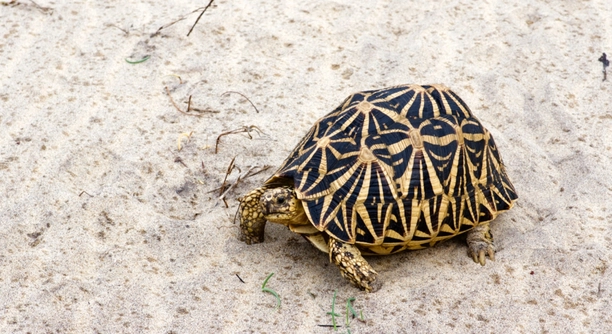
If you’ve noticed your Indian Star Tortoise shaking its legs, you might be wondering what could be causing this unusual behavior. It’s important to understand the reasons behind this, as it could be related to its health or environment.
Leg shaking in Indian Star Tortoises is often caused by stress, illness, or environmental factors such as temperature fluctuations or improper humidity. It may also indicate discomfort or the onset of a health issue that requires attention.
Understanding the causes of leg shaking is key to ensuring your tortoise remains healthy and comfortable in its environment.
Stress and Anxiety
Indian Star Tortoises can be very sensitive to stress, and leg shaking is one of the signs. A common cause of stress is sudden changes in their environment. This might include a new habitat, unfamiliar surroundings, or changes in their routine. When tortoises feel stressed, they may react by shaking their legs or displaying other abnormal behaviors. It’s crucial to ensure their environment remains consistent and calm to avoid unnecessary anxiety. Reducing the presence of loud noises, ensuring proper lighting, and providing a safe space can help alleviate stress and prevent these symptoms.
The shaking of legs can also be a result of handling. Tortoises often experience stress when handled too frequently or roughly. Avoid picking them up unless absolutely necessary, and always support their body properly.
In the long term, maintaining a stable environment and reducing stress can help keep your tortoise healthy and reduce the occurrence of leg shaking. It’s important to remember that animals, like humans, need time to adjust to changes, and rushing the process can lead to further stress and discomfort.
Temperature and Humidity
Temperature and humidity are essential to the well-being of an Indian Star Tortoise. Shaking legs can be a sign of discomfort if these factors aren’t properly regulated. These tortoises thrive in warm conditions, and if the environment is too cold or dry, they can exhibit signs of distress, including shaking. It’s essential to monitor the temperature in their enclosure and ensure it mimics their natural habitat.
If the enclosure is too hot or too cold, it can cause stress and physical discomfort for the tortoise, leading to shaking. Likewise, humidity levels are crucial; without proper moisture, their skin can become dry, leading to stress and possible leg shaking. You should aim to keep the humidity levels balanced within the enclosure, avoiding extremes.
To address these concerns, invest in a reliable thermometer and hygrometer to maintain proper temperature and humidity levels. Small adjustments, such as adding a humidity box or using a heat lamp, can make a significant difference in your tortoise’s behavior and overall comfort.
Illness and Health Issues
Shaking legs can indicate potential health problems in your Indian Star Tortoise. It may be a sign of discomfort from a more serious underlying issue like an infection, parasite, or metabolic bone disease. If your tortoise is shaking its legs frequently, it’s important to consult a veterinarian to rule out these conditions.
Health problems can lead to various behaviors, including leg shaking. Metabolic bone disease, for instance, is caused by insufficient calcium or improper lighting, which affects the tortoise’s bones and overall well-being. This condition might make them feel weak or uncoordinated, causing them to shake their legs. A vet will be able to diagnose the problem and provide a treatment plan to get your tortoise back to full health.
Parasites are another common health concern. If your tortoise has internal or external parasites, it can cause stress and discomfort, leading to shaking or other abnormal behaviors. Regular check-ups and parasite treatments are essential for maintaining your tortoise’s health and comfort.
Diet and Nutrition
An improper diet can lead to weakness and leg shaking. If your Indian Star Tortoise is not receiving the correct nutrients, particularly calcium and vitamin D3, it can develop health issues such as metabolic bone disease. The right diet helps prevent these problems, keeping your tortoise healthy and strong.
Indian Star Tortoises are herbivores and require a varied diet of leafy greens, fruits, and vegetables. You should provide a balance of these foods to ensure your tortoise is getting enough calcium and other essential nutrients. Some tortoises may even require calcium supplements, particularly if their diet lacks sufficient natural sources. Regularly offering high-quality, nutritious food helps maintain bone strength and overall health, reducing the risk of leg shaking.
Additionally, it’s essential to monitor their food intake and ensure they’re not overfeeding on high-oxalate foods like spinach, which can interfere with calcium absorption. Proper hydration is also key to their digestive health. Ensure clean, fresh water is always available, and avoid feeding them any harmful or toxic foods.
Overexertion or Excessive Movement
Sometimes, tortoises shake their legs after physical exertion. If your Indian Star Tortoise has been moving around more than usual, it could be a sign of overexertion. This shaking often happens after long periods of walking or climbing.
Indian Star Tortoises are not built for constant movement, and their muscles can become fatigued. If the shaking continues after a period of rest, it may indicate that the tortoise needs more downtime. Limiting their physical activity for a while can help them recover and reduce unnecessary leg shaking.
Injuries or Trauma
If your tortoise has experienced a fall, bump, or any form of injury, leg shaking might be a response to pain. Injuries can cause discomfort, resulting in a shaking or trembling reaction.
Make sure to check for visible signs of injury like swelling or bruising. If any injury is suspected, it’s crucial to seek immediate veterinary care to avoid further damage.
FAQ
Why is my Indian Star Tortoise shaking its legs?
Shaking legs in an Indian Star Tortoise can be caused by various factors, including stress, health issues, and environmental discomfort. If your tortoise is shaking its legs, it may be feeling anxious, experiencing an illness, or adjusting to temperature and humidity changes in its habitat. It’s important to observe any additional symptoms like changes in appetite, behavior, or physical condition. If leg shaking continues or worsens, it’s best to consult a veterinarian to rule out any serious health problems.
How can I reduce stress in my tortoise?
Reducing stress in your Indian Star Tortoise starts with creating a calm and stable environment. Avoid sudden changes in their habitat, such as moving their enclosure or altering their routine. Keep their habitat free from loud noises or disturbances. Additionally, minimize handling and provide them with a quiet, secure space where they can retreat when feeling overwhelmed. Ensuring proper lighting and temperature, along with a regular feeding schedule, will also help your tortoise feel at ease.
Can diet cause leg shaking in tortoises?
Yes, a poor diet can lead to various health issues that may cause leg shaking. A lack of calcium, vitamin D3, or other essential nutrients can result in metabolic bone disease or other discomforts, which can manifest as leg shaking. Ensure your tortoise receives a balanced diet with plenty of leafy greens, fruits, and vegetables. Additionally, some tortoises may require calcium supplements to support bone health, especially if their natural food sources are lacking. Proper hydration is also key to preventing dehydration-related issues that could cause shaking.
Is shaking normal after handling my tortoise?
Shaking after handling can be a sign of stress or discomfort. Tortoises often feel anxious when handled too frequently or improperly. If you notice your tortoise shaking its legs after being touched, it may indicate that they are stressed or that you’ve handled them in a way that caused them discomfort. Always support your tortoise’s body properly when handling it and try to limit handling to necessary situations only. Give them time to adjust and rest after any handling.
How can I tell if my tortoise is sick?
Sick tortoises often show a variety of signs, including lethargy, a loss of appetite, abnormal breathing, or changes in their movement patterns. If your tortoise is shaking its legs or showing other signs of distress, it may be a result of illness. Other symptoms like swelling, discoloration of the skin, or abnormal stool are also red flags. If you suspect your tortoise is ill, it’s crucial to consult a veterinarian for an accurate diagnosis and treatment.
Can temperature and humidity affect my tortoise’s health?
Yes, improper temperature and humidity levels can significantly affect your tortoise’s health and lead to behaviors like leg shaking. Indian Star Tortoises thrive in a warm, humid environment that mimics their natural habitat. If their enclosure is too cold or dry, it can cause stress and discomfort, leading to abnormal behaviors such as shaking. To prevent this, maintain the temperature between 80-90°F and humidity levels around 50-70%. Using a thermometer and hygrometer will help you monitor and adjust these conditions as needed.
What should I do if my tortoise is shaking its legs frequently?
If your tortoise is shaking its legs frequently, it’s important to first examine its environment for any stressors, such as temperature changes, overcrowding, or loud noises. Ensure that its habitat is comfortable and that it’s receiving proper nutrition. If the shaking persists or is accompanied by other symptoms, it may be a sign of an underlying health issue. In such cases, it’s best to seek the advice of a veterinarian who specializes in reptiles to address any potential health concerns.
Could my tortoise be shaking because of overexertion?
Yes, overexertion can cause leg shaking in tortoises. If your Indian Star Tortoise has been moving around more than usual, climbing, or walking for extended periods, its muscles may become fatigued. While tortoises are not typically active creatures, they may shake their legs as a response to physical strain. It’s important to allow them time to rest and avoid pushing them to exert themselves too much. Limiting their physical activity for a while will help them recover and prevent further discomfort.
Can injuries cause leg shaking in tortoises?
Injuries can also lead to leg shaking in tortoises. If your Indian Star Tortoise has experienced a fall, bump, or any other form of injury, it may react by shaking its legs in response to pain. You should check for visible signs of injury, such as swelling, bruising, or limping. If any injuries are suspected, seek immediate veterinary care to ensure that the tortoise receives the proper treatment and care to prevent further damage or discomfort.
What should I feed my tortoise to prevent leg shaking?
To prevent leg shaking caused by nutritional deficiencies, ensure your tortoise’s diet is rich in calcium, vitamin D3, and other essential nutrients. Provide a variety of leafy greens like collard greens, dandelion greens, and mustard greens. You can also offer safe fruits and vegetables such as bell peppers and berries. Additionally, calcium supplements might be needed, especially if your tortoise is not getting enough from its food. Avoid feeding high-oxalate foods like spinach too often, as they can interfere with calcium absorption. Proper hydration is equally important for maintaining good health.
How do I know if my tortoise’s shaking is due to an infection?
Infections can cause leg shaking as a result of discomfort and pain. If your Indian Star Tortoise is shaking its legs and shows other signs of illness, such as discharge from the eyes or nose, swelling, or unusual behavior, an infection might be the cause. Infections can affect different parts of the body, including the respiratory system or internal organs. If these symptoms appear, it’s important to take your tortoise to a veterinarian who can diagnose and treat the infection appropriately.
Can leg shaking be a sign of old age?
As tortoises age, they may experience physical changes that can lead to behaviors like leg shaking. Older tortoises may become less active or experience joint stiffness, which could cause them to shake their legs. However, if the shaking is excessive or accompanied by other concerning symptoms, it may be due to an underlying health issue rather than just aging. Regular check-ups with a veterinarian can help ensure that age-related changes do not affect your tortoise’s health significantly.
Final Thoughts
When your Indian Star Tortoise begins shaking its legs, it can be concerning. There are several potential reasons for this behavior, ranging from stress and environmental issues to health problems. Understanding the possible causes and identifying the symptoms that accompany the shaking will help you determine the next steps for addressing the issue. Creating a calm, stable environment for your tortoise, ensuring proper diet, and monitoring its health regularly are key factors in keeping it comfortable and happy. Regular observation is important to catch any early signs of distress or illness that may lead to leg shaking.
If leg shaking continues despite adjustments to the habitat or diet, it may be time to consult with a veterinarian who specializes in reptiles. A vet can help determine whether there are underlying health conditions such as metabolic bone disease, infections, or injuries that need to be addressed. It’s essential to seek professional advice if your tortoise’s behavior changes or if other symptoms accompany the leg shaking, such as loss of appetite, lethargy, or abnormal breathing. Early detection of health issues often leads to better outcomes and a quicker recovery for your tortoise.
Ultimately, your Indian Star Tortoise relies on you for its care and well-being. By understanding the factors that may cause leg shaking, you can take the necessary steps to improve its environment, address any health concerns, and ensure it remains healthy. A little attention to detail can go a long way in providing a comfortable home for your tortoise, reducing stress, and promoting its long-term health.

Hello,
If you enjoy the content that we create, please consider saying a "Thank You!" by leaving a tip.
Every little bit helps us continue crafting quality advice that supports the health, happiness, and well-being of pets around the world, for pets of all shapes, sizes, and species.
We really appreciate the kindness and support that you show us!