
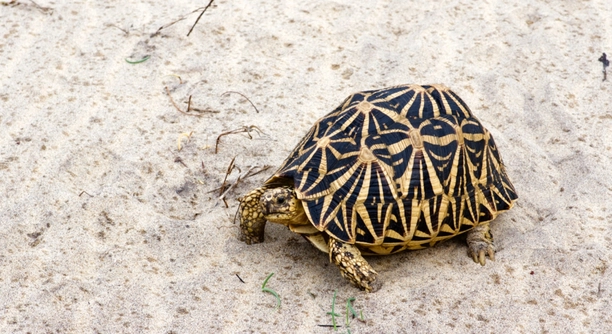
Handling Indian Star Tortoises requires care and understanding to ensure they thrive in your care. Their needs, like any pet, must be respected to maintain their health and happiness. This article will explore key guidelines for handling them properly.
Indian Star Tortoises should be handled minimally to avoid stress and potential harm. Over-handling can cause anxiety and physical strain, so it’s crucial to strike a balance between interaction and giving them space.
By following these simple yet important rules, you can provide the best care for your tortoise while respecting its natural behavior and well-being.
Why You Should Avoid Overhandling Your Indian Star Tortoise
Indian Star Tortoises are sensitive animals. Over-handling can lead to unnecessary stress, which affects their health. They are not like pets such as dogs or cats that enjoy constant attention. Tortoises thrive when they feel secure in their environment. The more they are handled, the more likely they are to feel threatened, which can lead to behaviors like hiding or not eating. This stress impacts their immune system and overall well-being.
It’s important to observe your tortoise and allow it to interact with its environment at its own pace. Constant handling can also cause physical harm, as they are not built to endure excessive touch. Their shells and limbs may not handle repeated movement without discomfort.
In short, the key is balance. You can interact with your tortoise, but always do so with care. Let them explore their habitat naturally without pushing for too much interaction. Understanding their boundaries ensures a happy and healthy tortoise in the long run.
When Should You Handle Your Indian Star Tortoise?
It’s best to handle your tortoise during specific times, such as feeding or cleaning. These moments allow you to interact without overstimulating them.
Focus on shorter interactions. Handle them for no more than 10-15 minutes at a time. This way, you can engage with your tortoise without causing too much stress. Keep in mind that Indian Star Tortoises do best with routine. Knowing when and how to interact makes all the difference in their care.
How to Hold Your Indian Star Tortoise Properly
When you do handle your Indian Star Tortoise, always support its entire body. Hold it gently, making sure not to grip too tightly, as this can cause distress. Focus on keeping the tortoise close to your body to ensure its safety and comfort.
Hold the tortoise by gently supporting its shell with both hands. Never pick it up by its legs or tail, as this can cause injury. Let the tortoise feel secure in your hands, as too much movement or abrupt handling can startle it. Always make sure to be calm and patient.
Avoid unnecessary lifting. Instead, allow your tortoise to walk freely in its enclosure. If lifting is necessary, make sure to give it time to adjust and never force it into your hands. Handling should always be a positive experience for your pet, so make sure to remain slow and deliberate.
Creating a Comfortable Environment for Your Tortoise
An important part of caring for your Indian Star Tortoise is providing a comfortable and safe habitat. This means ensuring that the enclosure has enough space for them to move freely. A cramped space can increase stress levels.
Make sure your tortoise’s living area mimics its natural environment. Include hiding spots, climbing surfaces, and enough room to roam. The enclosure should also have proper heating and lighting, as tortoises are cold-blooded and need warmth to stay active. A consistent environment keeps your tortoise comfortable and reduces the likelihood of health issues.
Pay attention to the humidity levels too. Indian Star Tortoises come from regions with moderate humidity, so it’s important to maintain the correct moisture levels in the enclosure. Too much moisture can lead to respiratory problems, while too little can cause dehydration. Proper care goes a long way in preventing unnecessary stress.
Handling Frequency: How Often Is Too Much?
Handling your Indian Star Tortoise too often can lead to unnecessary stress. It’s important to give them time to relax and explore their environment without constant interference. The less often you handle them, the more secure and comfortable they will feel.
Aim to handle your tortoise only a few times a week. This allows you to check on its health and give it attention without overwhelming it. Too much interaction can interfere with its natural behaviors, such as feeding and basking.
Recognizing Signs of Stress in Your Tortoise
Your tortoise may show signs of stress when handled too frequently. Common signs include retreating into its shell, refusing food, or becoming more aggressive. If you notice these signs, it’s a clear indication to give your tortoise more space.
If the stress continues, it may also affect their immune system, leading to health problems. Keep an eye on these behaviors to adjust your handling routine if needed. A relaxed tortoise is a healthy tortoise.
The Right Time for Interaction
The best time for handling your tortoise is during feeding or cleaning sessions. These are natural activities that don’t disturb your tortoise’s routine, making interaction less stressful. Keep the sessions short and sweet, ensuring the tortoise remains calm.
Focus on positive experiences during these times. Your tortoise will begin to associate handling with its regular care routine, reducing anxiety and improving your bond.
FAQ
How long can I handle my Indian Star Tortoise at a time?
When handling your tortoise, limit interactions to no more than 10 to 15 minutes. This prevents stress and allows the tortoise to remain calm. Extended handling can cause anxiety, disrupt its feeding habits, and make it feel unsafe. It’s always better to keep things brief and gentle.
Can I let my Indian Star Tortoise roam freely outside its enclosure?
Yes, but only in a safe, enclosed area. If you decide to let your tortoise roam outside, ensure the space is escape-proof and free of potential dangers like predators or harmful plants. Monitor them closely to avoid accidents or stress from unfamiliar surroundings. It’s essential to supervise them during these times.
What should I do if my tortoise seems stressed?
If your tortoise shows signs of stress, such as hiding or refusing food, it’s a sign to back off. Reduce the frequency of handling and ensure its habitat is calm and comfortable. Stress can be harmful to your tortoise’s health, so make sure it feels safe in its environment.
How can I tell if my tortoise is comfortable with being handled?
Comfortable tortoises will remain calm, often slowly exploring their surroundings or even walking on your hands. They should not be pulling away or hiding inside their shell during handling. If your tortoise is relaxed and doesn’t show signs of distress, it’s likely comfortable with the interaction.
What kind of environment does my tortoise need to stay healthy?
An ideal environment for an Indian Star Tortoise includes a spacious enclosure with proper lighting, heating, and humidity levels. They require UVB light to help with calcium absorption and a warm environment to regulate body temperature. The habitat should also have hiding spots and areas for them to roam and explore.
How often should I clean my tortoise’s enclosure?
Clean the tortoise’s enclosure at least once a week. Remove any waste, uneaten food, and dirty bedding. Regular cleaning helps prevent the growth of harmful bacteria and maintains a healthy environment. Spot cleaning daily ensures that the habitat stays clean, preventing any health issues related to unclean conditions.
Can I handle my Indian Star Tortoise every day?
It’s best not to handle your tortoise every day. Frequent handling can stress it out and disrupt its natural behaviors. Instead, try handling your tortoise a few times a week for short periods. The less you handle it, the more comfortable and secure it will feel in its environment.
What are signs that my tortoise is unwell?
If your tortoise is lethargic, not eating, or seems to be hiding more than usual, it could be sick. Other signs of illness include runny eyes or nose, a swollen shell, or abnormal behavior. If you notice these symptoms, consult with a reptile vet immediately to ensure your tortoise gets the care it needs.
How can I safely transport my tortoise?
To transport your tortoise, place it in a secure container with soft bedding. Ensure the container has ventilation but is secure enough to prevent escape. Avoid sudden movements and temperature fluctuations during the journey. Always handle the tortoise gently and keep the transport duration as short as possible to reduce stress.
Is it okay to let my tortoise interact with other pets?
Generally, it’s not a good idea to let your tortoise interact with other pets, especially if they are larger or more aggressive. Some animals, like dogs or cats, may see your tortoise as prey or may harm it accidentally. Keeping your tortoise in its own space ensures its safety and well-being.
Can Indian Star Tortoises eat fruits?
Yes, Indian Star Tortoises can eat certain fruits in moderation. Offer them fruits like berries, melons, and papayas. However, fruits should not make up the majority of their diet, as they can be high in sugar. Their diet should mainly consist of leafy greens and grasses, which are more nutritionally balanced.
Do Indian Star Tortoises need to be bathed?
Tortoises don’t need regular baths, but occasional bathing can help with hydration and cleanliness. If your tortoise seems dehydrated or has trouble shedding, a bath can be beneficial. Always use lukewarm water and avoid submerging the tortoise for too long. After the bath, dry it gently before returning it to its enclosure.
Can I house more than one Indian Star Tortoise together?
Housing multiple tortoises together is possible, but you need to ensure there’s enough space for each one. Overcrowding can lead to stress and fighting. If you plan to keep more than one, ensure they are of similar size and temperaments, and there are multiple hiding spots to reduce territorial disputes.
How do I know if my tortoise is getting enough UVB light?
To ensure your tortoise is getting the right amount of UVB light, use a UVB bulb designed for reptiles. The light should cover a large area of the enclosure, and you should replace it every 6 to 12 months, even if it seems to be working. UVB is crucial for your tortoise’s health, as it helps them synthesize vitamin D3 for proper calcium absorption.
What is the lifespan of an Indian Star Tortoise?
Indian Star Tortoises can live up to 50 years or longer with proper care. Their long lifespan means they require a stable environment and a long-term commitment from their owner. Regular veterinary care, proper diet, and attention to their habitat are all essential for ensuring a healthy and long life.
Final Thoughts
Handling your Indian Star Tortoise in the right way is crucial for its well-being. These tortoises are not like more interactive pets, and they can easily become stressed if handled too much. Understanding their need for space and minimal handling will help them feel safe and comfortable in their environment. It’s important to be patient and allow your tortoise to adjust to your presence without forcing interaction. By respecting their boundaries, you ensure they remain healthy and happy.
Creating the right habitat is just as essential. Your tortoise needs a safe and secure space with the right temperature, humidity, and lighting to thrive. A comfortable environment will help your tortoise stay active and healthy, while also reducing the risk of stress-related health problems. Regularly cleaning the enclosure and making sure there are enough hiding spots and climbing areas can make a big difference in your tortoise’s quality of life. Providing proper nutrition, including a diet of leafy greens and occasional fruits, is also key to their overall health.
Remember, the less often you handle your tortoise, the better. Aim for short, calm interactions when necessary, like during feeding or cleaning. Frequent handling can lead to stress, which can negatively affect your tortoise’s immune system and behavior. By following these simple guidelines, you can provide the best care possible for your Indian Star Tortoise and build a trusting relationship. A healthy, well-adjusted tortoise will be a joy to watch and care for.

Hello,
If you enjoy the content that we create, please consider saying a "Thank You!" by leaving a tip.
Every little bit helps us continue crafting quality advice that supports the health, happiness, and well-being of pets around the world, for pets of all shapes, sizes, and species.
We really appreciate the kindness and support that you show us!