
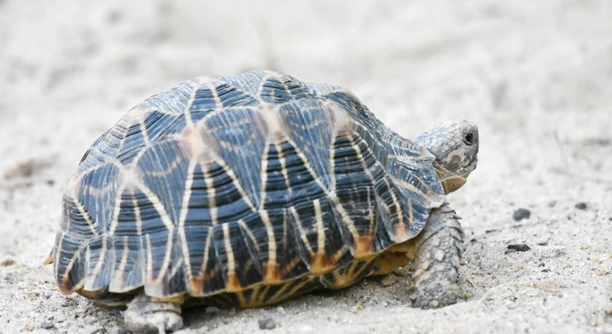
Indian Star Tortoises are fascinating creatures with distinct differences between those bred in captivity and those found in the wild. Understanding these variations can help improve the care of these beloved reptiles.
Captive-bred Indian Star Tortoises tend to have different behaviors, diet, and health needs compared to wild ones. While wild tortoises adapt to natural environments, captive ones are influenced by human care and controlled settings.
The differences between captive-bred and wild Indian Star Tortoises are crucial for understanding their unique characteristics and needs. These insights will guide owners in providing better care and appreciation for their tortoises.
Natural Habitat vs. Captive Care
Wild Indian Star Tortoises thrive in their natural habitats where they roam vast areas and face challenges like finding food and avoiding predators. These tortoises are well-adapted to the harsh conditions of the wild, with behaviors and instincts honed over generations. In captivity, their environment is controlled, and they no longer need to navigate threats. They live in more stable conditions but might miss out on the freedom they once had.
The differences in their habitats play a significant role in their development. Captive-bred tortoises don’t have the opportunity to explore, which impacts their physical and mental health.
In the wild, Indian Star Tortoises are part of an intricate ecosystem. They rely on varied diets found in nature and adjust their activity based on the seasons. In contrast, those bred in captivity often face diet restrictions and more predictable routines. While they are safe from predators, they miss the chance to experience the challenges that help them grow stronger. The controlled environment in captivity can lead to behavioral differences, including a more sedentary lifestyle.
Diet and Nutrition
Captive-bred Indian Star Tortoises are typically fed a consistent diet, which can differ from their wild counterparts. In the wild, they consume a wide range of plants, seeds, and fruits, all varying seasonally.
In captivity, tortoises are usually offered a set diet that may not mimic the variety and nutrients found in the wild. This can lead to some health issues, such as a lack of essential vitamins and minerals. In some cases, captive tortoises may also overeat or develop unhealthy eating habits due to the absence of natural food challenges. Therefore, it’s essential for caretakers to ensure their pets receive a balanced and varied diet that closely resembles their natural one.
To prevent nutritional deficiencies, owners of captive Indian Star Tortoises must closely monitor their pet’s diet. Incorporating a variety of leafy greens, flowers, and occasional fruits is key. Additionally, ensuring access to clean water and proper supplements will help their health stay on track. It’s also important to adjust their diet according to their age and activity level. In doing so, they’ll thrive in captivity without missing out on the nutrients they would naturally find in the wild.
Health and Lifespan
Captive-bred Indian Star Tortoises generally live longer than those in the wild. Without the threats of predators, they are able to live in a safer environment where diseases are more easily controlled.
In captivity, their health can be more easily monitored, and regular check-ups can prevent illnesses. However, improper diet or lack of physical activity can cause issues like obesity, shell deformities, or other health concerns. Captive tortoises are also less likely to suffer from injuries or diseases that occur in the wild, where the environment is harsher and survival rates are lower.
Despite living longer, captive-bred tortoises might face challenges in maintaining a healthy weight or strong bones. Without enough space to roam, they can develop health issues that are typically absent in the wild. Providing proper care, ample space, and appropriate lighting conditions can help alleviate these risks and keep them healthy. It’s important to mimic their natural environment as much as possible, even in captivity, to avoid these potential complications.
Behavior and Activity Levels
Captive-bred Indian Star Tortoises are typically less active than their wild counterparts. The constant availability of food and lack of predators can lead to a sedentary lifestyle.
While wild tortoises spend most of their days searching for food and avoiding danger, captive-bred tortoises don’t face such challenges. This leads to more time spent resting or hiding. Over time, they may show less curiosity or interest in exploring their surroundings. This can affect their overall well-being, as tortoises need stimulation to remain mentally and physically healthy.
To keep captive-bred tortoises active, it is essential to provide them with opportunities to move around in a larger space. Enriching their environment with obstacles like rocks, plants, or tunnels encourages natural behaviors and helps them stay active. Regular interaction and the introduction of new objects can also keep them mentally engaged, which is key to their overall happiness and health.
Reproduction and Breeding
Captive-bred Indian Star Tortoises are often easier to breed in controlled environments than their wild counterparts. These tortoises have fewer challenges when it comes to finding a mate and can breed year-round in captivity.
In the wild, reproduction is influenced by environmental factors like climate, food availability, and seasonal changes. In captivity, breeders can create the ideal conditions to encourage mating. However, it is important to note that breeding in captivity can sometimes result in health complications for the tortoises if not properly managed.
Temperament Differences
Wild Indian Star Tortoises are more cautious and defensive compared to those bred in captivity. They are constantly aware of potential threats.
In contrast, captive-bred tortoises are more relaxed and accustomed to human interaction. They may show less fear and more curiosity, making them easier to handle. However, this can lead to over-dependence on human care and less natural behavior over time.
Adaptability to New Environments
Captive-bred Indian Star Tortoises tend to adjust quickly to new environments. This is due to their exposure to humans and controlled care since birth.
On the other hand, wild tortoises are more sensitive to environmental changes and disruptions. They may struggle to adapt to captivity, as they have developed a stronger attachment to their natural surroundings. This can lead to stress and health issues.
FAQ
What is the main difference between captive-bred and wild Indian Star Tortoises?
Captive-bred Indian Star Tortoises are raised in controlled environments, where they receive regular food, attention, and healthcare. Wild tortoises, on the other hand, live in natural habitats, where they face the challenges of survival such as finding food, avoiding predators, and dealing with environmental conditions. This makes captive-bred tortoises more accustomed to human interaction and a more stable environment, while wild tortoises are more independent and resilient in dealing with their surroundings.
Are captive-bred Indian Star Tortoises healthier than wild ones?
Captive-bred tortoises tend to be healthier than wild ones, mainly because they are protected from predators and harmful environmental factors. In captivity, they are given consistent care, regular veterinary check-ups, and a controlled diet. However, health issues can still arise in captivity if their diet is unbalanced or they are not provided with enough space to move and exercise. Wild tortoises, while stronger in some areas, are more prone to injuries, diseases, and malnutrition due to the harsher conditions they live in.
Do wild Indian Star Tortoises make good pets?
While wild Indian Star Tortoises can be kept as pets, they are harder to care for compared to captive-bred ones. Wild tortoises are more difficult to tame and can suffer from stress when moved to captivity. They are used to navigating their natural environments and may struggle to adapt to a confined space. Captive-bred tortoises, on the other hand, are more used to human care and tend to be calmer and more accustomed to indoor living, making them a better option for most pet owners.
Do captive-bred tortoises live longer than wild tortoises?
Yes, captive-bred tortoises generally live longer than wild tortoises. In the wild, tortoises face numerous threats such as predators, disease, and food scarcity, which can shorten their lifespans. In captivity, these threats are removed, and they receive consistent care and a steady food supply, allowing them to live longer. However, it’s important to note that without proper care, a captive-bred tortoise may still face health issues that could affect its lifespan.
Can captive-bred tortoises reproduce in captivity?
Yes, captive-bred Indian Star Tortoises can reproduce in captivity, and in fact, breeding them is often easier than with wild ones. With the right environment, temperature, and diet, captive-bred tortoises can mate year-round. However, breeding tortoises in captivity requires knowledge and careful monitoring to ensure the health of the animals and the offspring. Sometimes, breeding can lead to complications if the tortoises are not given enough space or the right care.
What do captive-bred Indian Star Tortoises eat?
Captive-bred Indian Star Tortoises need a varied diet, similar to what they would find in the wild. Their diet mainly consists of leafy greens like dandelion greens, collard greens, and clover, as well as edible flowers, and some fruits. A proper diet is crucial to their health, and a balanced mix of these foods helps prevent common problems like obesity or shell deformities. Some owners also provide calcium supplements to promote strong bones and shells.
How do the activity levels of captive-bred tortoises compare to wild ones?
Captive-bred tortoises are generally less active than wild ones. In the wild, they spend a significant amount of time foraging for food and exploring their environment. In captivity, food is provided for them, and they do not have to work for it, which can lead to a more sedentary lifestyle. Without the need to search for food or avoid predators, captive tortoises may spend more time resting or hiding. It’s essential to encourage movement by providing a large, enriched environment with obstacles and space for them to roam.
Are there any health risks for captive-bred tortoises?
Yes, captive-bred tortoises can face health risks if they are not cared for properly. Common issues include obesity from overeating, shell deformities from inadequate lighting, and respiratory problems due to poor ventilation or humidity levels. Without the proper diet, their shells can also develop problems such as pyramiding, which is the growth of raised, pyramid-like bumps on the shell. To keep captive tortoises healthy, it’s important to provide them with a proper diet, regular exercise, and the right environmental conditions.
Do wild tortoises have more natural behaviors than captive-bred tortoises?
Yes, wild tortoises exhibit more natural behaviors due to their exposure to a wide range of environmental challenges. These behaviors include foraging for food, navigating different terrains, and avoiding predators. Captive-bred tortoises, while still instinctive, may show less of these behaviors since they are not exposed to the same challenges. They are more likely to be calm and more comfortable in their environment, but may lack the drive to explore or show some of the natural survival behaviors that wild tortoises display.
Is it better to adopt a captive-bred Indian Star Tortoise or a wild one?
For most pet owners, adopting a captive-bred Indian Star Tortoise is a better choice. Captive-bred tortoises are typically easier to care for, more accustomed to human interaction, and healthier due to better living conditions. Wild tortoises may be more challenging to care for, as they need to adjust to a new environment and are often more stressed out by captivity. Additionally, removing wild tortoises from their natural habitat can disrupt ecosystems, so it is generally better to adopt a captive-bred one.
When considering whether to adopt a captive-bred or wild Indian Star Tortoise, it’s important to understand the differences between them. Captive-bred tortoises are generally easier to care for and adjust better to human environments. They are accustomed to living in controlled settings where they receive consistent food, shelter, and medical care. This makes them more suitable for pet owners, especially those who may not have experience with reptiles. However, keeping any tortoise, whether captive-bred or wild, requires a commitment to their health, diet, and proper care to ensure they live long, happy lives.
On the other hand, wild Indian Star Tortoises have unique characteristics shaped by their natural environment. They are independent and resilient, developed to survive in challenging conditions. While they can adapt to captivity, they may struggle with the transition and face higher levels of stress. Wild tortoises are also more susceptible to diseases, injuries, and difficulties in adjusting to a controlled environment. This makes them less ideal for new tortoise owners or those without a strong understanding of how to care for them in captivity. Wild tortoises also have a critical role in their natural ecosystems, and removing them from the wild can have negative impacts on their populations.
Ultimately, whether you choose a captive-bred or wild Indian Star Tortoise depends on your ability to provide the appropriate care. Both types of tortoises require an environment that mimics their natural habitat as closely as possible. This means offering a proper diet, plenty of space to roam, and opportunities for mental stimulation and physical exercise. For those new to keeping tortoises, a captive-bred tortoise may be the better option due to their more manageable temperament and easier adaptation to life in captivity. However, it is essential to research thoroughly and make sure you’re ready for the responsibility of caring for these fascinating reptiles.

Hello,
If you enjoy the content that we create, please consider saying a "Thank You!" by leaving a tip.
Every little bit helps us continue crafting quality advice that supports the health, happiness, and well-being of pets around the world, for pets of all shapes, sizes, and species.
We really appreciate the kindness and support that you show us!