
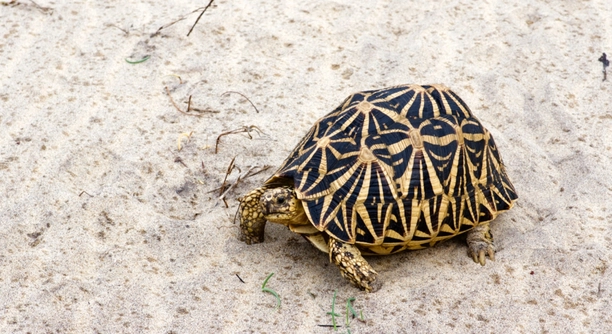
Indian Star Tortoises are unique pets with distinct needs. Understanding how they feel about their environment can help ensure they stay happy and healthy. Their behavior is often a good indicator of their comfort levels.
The simplest way to tell if your Indian Star Tortoise loves its environment is by observing its behavior. If it is active, eating well, and displaying natural behaviors like basking, it’s likely comfortable in its habitat.
Providing the right conditions can make a big difference. There are clear signs that show your tortoise is thriving in its space.
1. Active and Curious Behavior
When your Indian Star Tortoise is comfortable in its environment, it will move around actively. A tortoise that enjoys its space will be curious and explore its surroundings. You’ll notice it walking around its enclosure, investigating objects, and climbing over obstacles. If it stays in one spot for long periods, it may be stressed or uncomfortable. Regular movement is an essential sign that your tortoise is feeling secure. They enjoy a mix of sunlight and shade, so observing how they move between these areas can give you clues about their comfort levels. Pay attention to their speed too. A slow-moving tortoise may be tired or stressed, while a faster tortoise often indicates happiness.
Sometimes, you may notice that your tortoise is more active at certain times of the day. This could be due to temperature fluctuations or light changes.
Understanding your tortoise’s active patterns helps you make necessary adjustments to its living conditions. Ensure there are various elements in its environment to explore, from logs to hiding places. Keep in mind that tortoises are naturally curious animals and need stimulation to stay healthy.
2. Consistent Eating Habits
A well-fed tortoise indicates a comfortable environment.
Indian Star Tortoises are herbivores and will eat a variety of plants, grasses, and leaves. If it consistently eats meals and shows interest in fresh food, this is a strong sign that it’s content.
Healthy eating habits are crucial in determining how your tortoise is adapting to its surroundings. If it refuses food or seems uninterested, it could be a sign of environmental stress. Ensure that the habitat’s humidity and temperature are ideal, as both affect appetite. Another factor to consider is diet variety—offering different types of plants can encourage eating. When provided with an enriching and well-balanced diet, tortoises are more likely to thrive in their environment.
If your tortoise becomes picky or refuses food, check if there are changes in its environment. Ensure the enclosure is clean and free from pests, and that it’s not overcrowded. These elements can make a huge difference to their overall well-being.
3. Natural Basking Behavior
Your tortoise’s love for basking shows it’s comfortable.
Indian Star Tortoises are sun-loving creatures. When they feel at ease, they will spend time basking under a heat source, whether natural or artificial. A tortoise that seeks out warmth and enjoys basking shows it is healthy and satisfied with its environment.
If your tortoise is not basking regularly, there might be issues with the temperature or lighting in the enclosure. It’s essential to create a space with a warm basking spot, as well as cooler areas for your tortoise to retreat to. Temperature fluctuations that are too extreme or inadequate lighting can disrupt their daily rhythm. A basking light should provide a steady heat source, not too hot or too cold, to help regulate their body temperature. This behavior also plays a role in digestion, so it’s an essential part of your tortoise’s routine.
When setting up your tortoise’s basking area, ensure that the light is directed at a specific area, such as a flat rock or platform. These spots allow your tortoise to lie comfortably and receive consistent heat without overexposure.
4. Shell and Skin Health
A healthy tortoise shows signs of good shell and skin condition.
If your Indian Star Tortoise’s shell appears smooth, shiny, and intact, it’s a good sign that it’s thriving in its environment. A well-maintained shell indicates proper hydration, nutrition, and environmental conditions. If you notice any cracks, dullness, or irregularities, it may be due to improper care or stress.
Shell health is directly linked to the overall comfort of your tortoise. An unhealthy shell may indicate an issue with its habitat, diet, or even a medical condition. Ensure your tortoise has access to the right kind of substrates and enough space to move.
Another critical factor is humidity. Low humidity can lead to a dry and brittle shell. On the other hand, overly high humidity can encourage the growth of fungi. It’s crucial to maintain a balanced environment for your tortoise’s shell and skin to stay healthy. Regularly check your tortoise for signs of shedding, skin damage, or abnormal growths to keep track of its well-being. Proper shell care includes bathing your tortoise occasionally to help remove excess dirt.
5. Social Interaction
Tortoises show comfort through social interactions.
Indian Star Tortoises may not be as social as some other animals, but they still benefit from occasional human interaction. A tortoise that seeks attention, responds to your presence, or follows your movements is likely content with its environment.
Although they are solitary creatures, these tortoises may show signs of curiosity toward you or other pets. It’s important to note, though, that tortoises should not be forced into social situations. If your tortoise hides or withdraws too often, it could indicate a need for more privacy or a less stressful environment.
6. Proper Temperature Regulation
Proper temperatures are essential for your tortoise’s well-being.
Indian Star Tortoises require both warm basking spots and cooler areas to regulate their body temperature effectively. If your tortoise spends time in both zones, it shows that it’s able to manage its temperature comfortably. Without the proper temperature range, it can cause stress and health problems.
A temperature gradient is essential for a tortoise’s comfort. Ensure that one side of the enclosure is warmer, around 90°F, with cooler spots that stay between 75°F and 80°F. This temperature control allows your tortoise to move between different zones as needed. If your tortoise consistently stays in one area or shows signs of lethargy, this could indicate a problem with the temperature setup. Proper lighting and heat sources will help your tortoise thrive. Regularly check the temperature with a thermometer to make sure the setup remains consistent.
7. Clean and Maintained Habitat
A clean habitat leads to a healthy tortoise.
Your tortoise’s environment should be free from waste and debris. Regular cleaning of its living space ensures that your pet remains comfortable and healthy.
A well-maintained enclosure encourages your tortoise to explore, eat, and move around freely. This includes removing old food, washing water bowls, and replacing substrates regularly. A clean environment helps prevent infections and keeps your tortoise’s skin and shell in good condition.
FAQ
How can I tell if my tortoise is stressed?
Stressed Indian Star Tortoises show signs like loss of appetite, staying in one spot, and hiding more often than usual. If your tortoise seems lethargic, it could be a result of uncomfortable conditions such as improper temperature or lighting. Stress can also manifest in abnormal behavior, like excessive scratching or aggression. Ensuring proper temperature regulation and a clean, spacious environment can help reduce stress. It’s important to observe their behavior closely and adjust the habitat if necessary.
Is it normal for my tortoise to hide a lot?
Hiding is a natural behavior for Indian Star Tortoises, especially if they feel the need for privacy or protection. However, excessive hiding could indicate stress or discomfort. If your tortoise is hiding all the time, it might not feel secure in its environment. Check the temperature, humidity, and the overall cleanliness of the habitat. Ensure that your tortoise has enough space and hiding spots to feel safe but not isolated. Too much hiding could also signal that the tortoise is unwell or stressed, so monitor other behavior closely.
What is the best substrate for my Indian Star Tortoise?
Indian Star Tortoises do best with a substrate that allows them to dig and burrow naturally. A mix of coconut coir, cypress mulch, and sand can provide a comfortable environment for them. The substrate should also be dry, as excess moisture can lead to shell and skin issues. Avoid using substrates like gravel or bark that can irritate their skin or cause digestion issues if ingested. Ensure that the substrate is cleaned regularly to maintain a healthy environment.
How do I know if my tortoise is getting enough food?
An Indian Star Tortoise’s healthy appetite is a sign that it’s thriving in its environment. If your tortoise is eating regularly and seems eager to consume a variety of plants, then it’s likely getting enough food. However, a loss of appetite, or not showing interest in food, can indicate stress or illness. You should offer a variety of safe, fresh vegetables, greens, and flowers to ensure a balanced diet. Make sure to adjust the portions according to their age, size, and activity level.
What temperature should I keep my tortoise’s habitat at?
Your tortoise’s habitat needs a temperature gradient to help it regulate its body heat. The basking spot should be around 90°F (32°C), while the cooler side should range between 75°F and 80°F (24°C-27°C). A thermometer should be used to ensure the temperature remains within these ranges. If the temperature is too high or too low, it can cause stress and affect your tortoise’s health. Be sure to monitor both daytime and nighttime temperatures, as tortoises need a drop in temperature at night.
How much space does my Indian Star Tortoise need?
Indian Star Tortoises are active creatures and need plenty of space to roam. Ideally, the enclosure should be at least 4 feet long and 2 feet wide for one tortoise, but larger enclosures are better. Tortoises need room to move, explore, and get exercise, which helps with their overall health. If the enclosure is too small, your tortoise may feel stressed and may not be able to express its natural behaviors. Provide areas to hide, bask, and walk around freely.
Can my tortoise live with other animals?
Indian Star Tortoises can live with other tortoises or reptiles, but it’s important to monitor their interactions. They are generally solitary animals and may become stressed if housed with other pets. If you choose to keep them with other animals, make sure each one has enough space, food, and shelter. Aggression between animals is possible, so observe their behavior closely. Additionally, ensure that all species in the enclosure have similar temperature and humidity needs. If introducing a new animal, always observe the tortoise for signs of stress and adjust the habitat if necessary.
How can I keep my tortoise hydrated?
Indian Star Tortoises can be kept hydrated by providing a shallow water dish in the enclosure, which they can drink from and soak in. Make sure the water is clean and changed regularly. It’s also important to mist the enclosure occasionally to maintain the appropriate humidity levels. Some tortoises also absorb water through their food, so offering high-water-content vegetables can help with hydration. Keep an eye on your tortoise’s behavior—if it’s not drinking from the water bowl or soaking, there could be an issue with its health or the environmental conditions.
How do I handle my tortoise safely?
Indian Star Tortoises should be handled gently and minimally. They are not particularly social animals, and too much handling can cause stress. When you do handle them, ensure that you support their body properly by holding them by the sides of the shell. Never pick them up by their legs or tail. Always keep them close to the ground to prevent injury from falling. Handling should be kept short and purposeful, such as during cleaning or checks on their health. Over-handling can lead to stress and health issues.
How often should I clean my tortoise’s enclosure?
You should clean your Indian Star Tortoise’s enclosure regularly to ensure it remains a safe and healthy place for your pet. Remove waste and old food daily, clean the water dish, and replace any soiled bedding. Every couple of weeks, perform a more thorough cleaning by replacing the substrate and disinfecting the entire enclosure. A clean habitat is essential for your tortoise’s well-being, preventing bacterial growth and ensuring a comfortable, stress-free environment. Regular cleaning also helps maintain the humidity and temperature levels within the ideal range.
Final Thoughts
Ensuring that your Indian Star Tortoise feels comfortable in its environment is essential for its overall health and happiness. A tortoise that thrives in its habitat is likely to show signs of curiosity, regular eating habits, and natural behaviors like basking and exploring. By observing these signs, you can make sure that your tortoise is content and not stressed. Remember, the right temperature, humidity, and proper space are key to keeping your tortoise healthy.
Taking care of your tortoise involves a balance of maintaining the right conditions and monitoring its behavior. It’s important to create an environment that mimics the tortoise’s natural habitat as much as possible. This includes providing a variety of foods, clean water, and safe spaces to hide. Keeping the habitat clean and offering both warm and cooler areas helps your tortoise regulate its body temperature and stay active. Regular checks and observations will help you spot any potential issues early, allowing you to adjust the environment as needed.
In the end, providing a comfortable and well-maintained habitat for your Indian Star Tortoise will lead to a happier and healthier pet. While these tortoises are low-maintenance compared to some other pets, they still require a bit of attention to their needs. With proper care and an understanding of their behavior, you’ll help your tortoise thrive for many years. The more you observe and learn about your tortoise, the better you’ll be at creating the best environment for it to enjoy.

Hello,
If you enjoy the content that we create, please consider saying a "Thank You!" by leaving a tip.
Every little bit helps us continue crafting quality advice that supports the health, happiness, and well-being of pets around the world, for pets of all shapes, sizes, and species.
We really appreciate the kindness and support that you show us!