
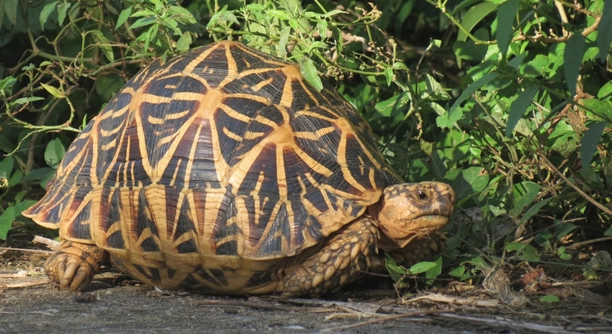
Indian Star Tortoises are fascinating creatures, and their unique behavior can sometimes raise concerns for pet owners. One common behavior that may leave you wondering is when your tortoise rubs its face repeatedly.
Face rubbing in Indian Star Tortoises is often a sign of discomfort, shedding, or a natural behavior linked to exploring their environment. It can also indicate irritation or even an infection if persistent. Monitoring their habitat and health is crucial.
There are several possible causes behind this behavior. Understanding them will help you take proper steps to address the issue and keep your tortoise happy and healthy.
Reasons Your Indian Star Tortoise May Be Rubbing Its Face
Face rubbing is a fairly common behavior in Indian Star Tortoises, and while it can be a normal part of their activity, it’s important to consider a few factors. One possible reason is shedding. Tortoises shed skin, and rubbing their face against objects like rocks or the walls of their enclosure can help them remove old skin. It’s a natural process, and they might rub their faces to relieve any discomfort or irritation.
Another possible reason is that your tortoise might be dealing with some form of irritation. If they are rubbing their face frequently, it could be a sign that something in their environment is causing discomfort. This could range from substrate material to a change in temperature or humidity levels.
Lastly, stress can also contribute to face rubbing. If your tortoise is stressed, perhaps due to a new environment or an unstable living condition, it may start rubbing its face as a way to cope. It’s important to keep their surroundings stable and provide plenty of hiding spaces to reduce stress.
When to Be Concerned
If your tortoise is rubbing its face more often than usual and showing signs of distress, it might be time to investigate. Persistent face rubbing could indicate a potential health issue such as an eye infection, respiratory problem, or skin infection.
A careful examination of your tortoise’s habitat and health will help you identify the source of irritation. Keep an eye on any other unusual behaviors like reduced appetite, lethargy, or swelling. These signs could indicate an underlying issue that needs attention.
How to Address the Issue
To prevent excessive face rubbing, ensure that your tortoise’s environment is clean and properly maintained. Check for any objects that might be irritating their skin, and ensure that the temperature and humidity levels are ideal for their needs. Indian Star Tortoises thrive in warm, humid environments, so maintaining proper conditions is crucial.
Regularly cleaning their enclosure will help remove any debris that could be causing irritation. Also, make sure your tortoise has access to clean water, which can help with hydration and skin health. If you notice any signs of infection, it’s essential to take your tortoise to the vet for a proper diagnosis and treatment.
How to Check for Health Issues
If your tortoise’s face rubbing persists or worsens, it’s essential to check for any underlying health problems. Look for signs like discharge from the eyes or nose, swelling, or changes in appetite. These could point to an infection or illness that needs medical attention.
Examine your tortoise carefully for any abnormal signs. If you notice any swelling, redness around the eyes, or any discharge, it’s a good idea to consult a vet. Respiratory infections are common in tortoises, and they might cause rubbing of the face.
Be vigilant in monitoring other behaviors such as changes in mobility or unusual hiding. These signs, along with face rubbing, may point to an infection or discomfort. If you notice any of these, it’s best to take your tortoise to a veterinarian who specializes in reptiles to ensure it’s treated properly.
Proper Diet and Hydration
A balanced diet is crucial for your tortoise’s overall health and skin condition. Make sure your tortoise is eating the right foods, such as leafy greens, grasses, and occasional fruits. Offering a variety of foods will help support their immune system and skin health.
Dehydration can also lead to skin issues. Make sure your tortoise has access to fresh water at all times. You may also consider soaking them in warm water to help with hydration and skin shedding. Healthy hydration levels are key to preventing irritation that might cause face rubbing.
When feeding your tortoise, avoid overfeeding high-protein foods like pellets or fruits, as these can upset the balance and cause issues with their skin or digestion. Stick to fresh, natural foods to maintain your tortoise’s health and help prevent behaviors like excessive face rubbing.
Stress and Environmental Factors
Stress can make your tortoise rub its face more often. Changes in its environment, such as moving its enclosure, loud noises, or new animals, can cause stress. Tortoises thrive on stability, so try to keep their habitat as consistent as possible.
Ensure the enclosure is quiet, well-lit, and free from sudden changes. Tortoises also prefer having hiding spots where they feel secure. This helps them feel calm and reduces stress, which can lessen face rubbing. The more comfortable they are, the less likely they will exhibit this behavior.
Importance of Proper Habitat
Creating the right environment for your tortoise can greatly reduce unnecessary behaviors like face rubbing. Make sure the temperature, humidity, and substrate are optimal for your species. Indian Star Tortoises thrive in warm, humid conditions. Regularly monitor temperature and humidity levels to ensure they’re within the ideal range.
Having a proper enclosure means providing hiding spots, basking areas, and an appropriate substrate like soil or coconut husk. Avoid using sharp or rough materials that could irritate your tortoise’s skin, leading to face rubbing. The more comfortable your tortoise feels in its environment, the less likely it will show signs of distress.
FAQ
Why does my Indian Star Tortoise rub its face against the walls of its enclosure?
Face rubbing in Indian Star Tortoises is a common behavior, often linked to shedding. Tortoises shed their skin, and rubbing against the walls or objects in their enclosure helps them remove the old skin. It’s a natural process, and your tortoise may do this to relieve any discomfort or irritation from shedding.
In some cases, face rubbing could also be a sign of irritation due to the environment. It could be that something in their enclosure is causing discomfort, like the substrate, rough surfaces, or even temperature fluctuations. Keeping their environment clean and comfortable can reduce this behavior.
How can I tell if my tortoise’s face rubbing is due to an infection?
If your tortoise is rubbing its face and showing signs like discharge from the eyes or nose, swelling, or changes in behavior (such as lethargy or loss of appetite), it could be a sign of infection. Respiratory infections are common in tortoises and can lead to face rubbing, especially if their sinuses are clogged or inflamed.
To check for an infection, look for any abnormal signs around the eyes, mouth, or nose. Swelling or redness near these areas, or any discharge, should be taken seriously. If your tortoise is eating less or seems tired, these could be additional signs that an infection is present. A visit to the vet is recommended for a proper diagnosis and treatment.
How can I reduce stress in my tortoise to prevent face rubbing?
Stress is a common cause of face rubbing in tortoises. Environmental changes, such as moving their enclosure or introducing new animals, can be stressful. To reduce stress, maintain a stable environment with a consistent temperature and humidity level. Tortoises need a peaceful environment, so avoid loud noises or sudden movements around them.
Providing hiding spots and places for your tortoise to feel safe will help them relax. Ensure the habitat is large enough for them to move freely. A stressed tortoise might also rub its face as a coping mechanism, so creating a calm space can reduce this behavior.
What are the ideal temperature and humidity levels for my Indian Star Tortoise?
Indian Star Tortoises thrive in warm and humid environments. The temperature should be around 85-90°F (29-32°C) during the day, with a basking area reaching up to 95°F (35°C). At night, the temperature can drop to around 70°F (21°C).
As for humidity, aim for a level of 60-80%. This can be maintained by misting the enclosure or using a humidity gauge. Proper humidity helps with skin shedding and keeps your tortoise comfortable. Too much humidity, however, can lead to fungal issues, so it’s essential to monitor it carefully.
Can poor diet contribute to face rubbing in my tortoise?
Yes, a poor diet can contribute to various health issues, including skin problems that might lead to face rubbing. Tortoises need a balanced diet, primarily consisting of leafy greens, grasses, and occasional fruits. A diet too high in protein or rich in fruits can upset the balance and may cause skin irritation or digestive issues.
Make sure your tortoise gets the right mix of calcium, fiber, and vitamins. Avoid feeding them too many processed foods or commercial pellets. A varied and natural diet will help maintain healthy skin, preventing the need for excessive face rubbing due to discomfort or irritation.
Is it safe to soak my tortoise in water to help with face rubbing?
Soaking your tortoise in water is generally safe and can help with hydration, skin shedding, and reducing discomfort. When soaking, use warm water (not hot) and make sure the water level is shallow enough for your tortoise to comfortably sit in. Soaking can also assist in removing old skin, which might be causing irritation.
However, do not soak your tortoise too frequently. It’s important not to overdo it, as too much water can cause stress or lead to other issues. A 15-20 minute soak a couple of times a week is typically sufficient.
How can I tell if the substrate in my tortoise’s enclosure is causing irritation?
If your tortoise is rubbing its face, one potential cause could be the substrate. Rough or sharp materials might irritate their sensitive skin. Common substrates like sand or rough gravel can cause issues, especially if your tortoise frequently makes contact with them.
Switching to softer substrates like coconut husk, soil, or aspen bedding can be beneficial. These options are less likely to cause irritation, making it easier for your tortoise to move around comfortably. Always ensure the substrate is kept clean, as bacteria buildup can also lead to skin issues.
Final Thoughts
Face rubbing in Indian Star Tortoises is a behavior that many pet owners notice at some point. While it can often be a sign of natural shedding, it’s important to be aware of other possible causes, such as environmental factors or health issues. Rubbing their face could also indicate discomfort from something in their enclosure or stress from a change in their surroundings. If the behavior is occasional and doesn’t seem to come with any other symptoms, it’s likely a normal part of their routine. However, if it continues or is accompanied by signs like discharge or lethargy, it’s important to investigate further.
Maintaining a stable environment for your tortoise is key to minimizing stress and potential face rubbing. Providing the right temperature, humidity, and substrate helps create a comfortable space where they can thrive. A consistent environment also reduces the risk of infections or irritation, which could trigger excessive rubbing. Adding hiding spots, ensuring the enclosure is quiet, and avoiding sudden changes can make a huge difference in how your tortoise behaves. A calm, well-maintained environment helps your tortoise feel secure, ultimately leading to fewer health problems.
In addition to the environment, diet plays a crucial role in your tortoise’s overall well-being. A balanced diet that includes the right mix of leafy greens, fiber, and occasional fruits will support skin health and general immune function. Make sure your tortoise is properly hydrated, as dehydration can lead to shedding issues and discomfort. If you notice any signs of illness, such as abnormal face rubbing or changes in eating habits, it’s best to consult a vet who specializes in reptiles. Keeping a close eye on your tortoise’s health and environment ensures they stay happy and healthy for years to come.

Hello,
If you enjoy the content that we create, please consider saying a "Thank You!" by leaving a tip.
Every little bit helps us continue crafting quality advice that supports the health, happiness, and well-being of pets around the world, for pets of all shapes, sizes, and species.
We really appreciate the kindness and support that you show us!