
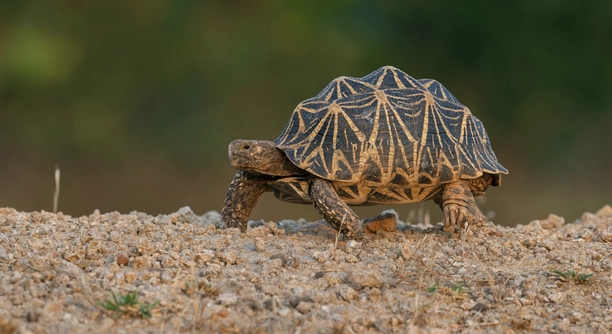
Is your Indian star tortoise frequently stretching its legs, leaving you wondering what might be causing this behavior? Observing this can be concerning, especially if it happens often. Understanding the reasons behind it can help ensure your pet’s well-being.
Indian star tortoises stretch their legs primarily to regulate body temperature, improve circulation, or relieve muscle tension. This behavior can also indicate discomfort due to improper habitat conditions, such as inadequate temperature, humidity, or substrate. In some cases, health issues may contribute to frequent stretching.
Environmental factors play a crucial role in your tortoise’s health and comfort. Ensuring optimal habitat conditions can help minimize excessive stretching and keep your pet thriving.
Common Reasons for Leg Stretching
Indian star tortoises stretch their legs for various reasons, ranging from natural movements to potential health concerns. One common reason is thermoregulation—stretching allows them to absorb or release heat more efficiently. Additionally, they may extend their legs to improve circulation, especially after resting in one position for a long time. In some cases, stretching is simply a way to stay comfortable. However, frequent or excessive stretching could indicate discomfort caused by improper humidity, temperature fluctuations, or an unsuitable substrate. Paying attention to their environment can help determine whether adjustments are needed.
If your tortoise is stretching excessively, it may be reacting to stress. Environmental stressors such as loud noises, frequent handling, or an overcrowded enclosure can contribute to this behavior. Ensuring a calm and secure habitat can help reduce unnecessary stress.
Observing your tortoise’s daily behaviors is key to understanding what is normal. If the stretching is accompanied by lethargy, loss of appetite, or labored breathing, it could be a sign of an underlying health issue. Consulting a reptile veterinarian can provide clarity and ensure your tortoise remains in good health.
How to Ensure a Comfortable Habitat
A comfortable habitat starts with proper temperature and humidity levels. Indian star tortoises thrive in temperatures between 80-90°F with a basking area of around 95°F. Humidity should be maintained at 50-70% to support healthy skin and shell growth.
Providing a spacious enclosure with a soft, natural substrate helps prevent discomfort. Hard or inappropriate substrates can cause irritation, leading to excessive stretching. A mix of soil and coconut fiber creates a soft, natural surface for burrowing and movement. Additionally, ensuring access to fresh water and a varied diet supports overall well-being.
Lighting also plays a key role in comfort. A UVB light source is essential for calcium absorption and shell health. Without proper lighting, tortoises may develop metabolic bone disease, leading to discomfort and behavioral changes. Regularly checking bulbs and replacing them every six months ensures they receive adequate UV exposure.
Monitoring your tortoise’s behavior and making small adjustments to its habitat can make a significant difference. By maintaining the right conditions, you can help prevent stress-related behaviors and ensure your tortoise remains active and comfortable.
Signs That Indicate Discomfort
Excessive stretching, especially when paired with restlessness, may indicate that your tortoise is uncomfortable. If it frequently shifts positions or avoids certain areas of the enclosure, it could be reacting to improper temperatures, substrate, or lighting conditions that need adjustments.
Lethargy combined with stretching can be a sign of an underlying issue. If your tortoise remains inactive for long periods, struggles to move, or appears weak, there may be an imbalance in its environment or a developing health condition. Monitoring behavior changes and checking for any irregularities in its shell, skin, or eating habits can help identify the cause.
Breathing difficulties should never be ignored. If your tortoise stretches while gasping, wheezing, or showing mucus around the nose or mouth, it could indicate a respiratory infection. These infections often result from improper humidity levels or exposure to cold temperatures. A reptile veterinarian can diagnose and treat the issue properly.
Adjusting Care Based on Behavior
Temperature fluctuations can cause stress and discomfort. Ensuring a stable and appropriate temperature range throughout the day and night helps regulate your tortoise’s body functions. Using a thermostat-controlled heating system and regularly checking temperatures with a reliable thermometer can prevent extreme fluctuations.
Diet also plays a role in overall health. Indian star tortoises require a high-fiber diet consisting of grasses, leafy greens, and occasional vegetables. A lack of essential nutrients, particularly calcium and vitamin D3, can lead to muscle weakness, affecting movement and stretching. Providing a balanced diet along with UVB lighting ensures proper nutrient absorption and supports strong muscles and bones.
Observing behavior patterns over time helps in making the right adjustments. If stretching continues despite providing a suitable environment, consider small changes such as adjusting basking areas, modifying the enclosure layout, or introducing hiding spots for security. Each tortoise has unique needs, and small refinements can improve comfort and well-being.
When to Seek Veterinary Help
If stretching is accompanied by weight loss, reduced appetite, or unusual shell changes, it may indicate an underlying health issue. These signs should not be ignored, as early detection can prevent more serious complications and ensure your tortoise receives the care it needs.
Sudden behavioral changes, such as excessive hiding, difficulty walking, or unusual postures, may signal discomfort or illness. If environmental adjustments do not resolve the issue, a reptile veterinarian can assess your tortoise’s health and recommend appropriate treatment based on its symptoms.
Preventing Future Discomfort
Maintaining a consistent environment with proper temperature, humidity, and lighting reduces the chances of discomfort. Regularly cleaning the enclosure, providing fresh food, and ensuring a stress-free space helps prevent health issues. Observing your tortoise’s daily behavior and making necessary adjustments ensures it remains active and comfortable in its habitat.
Final Thoughts
Being attentive to small changes in behavior helps in identifying potential issues early. Providing a well-balanced diet, optimal habitat conditions, and regular veterinary check-ups ensures your tortoise stays healthy and content.
FAQ
Why does my Indian star tortoise stretch its legs?
Indian star tortoises stretch their legs to regulate body temperature, improve circulation, and stay comfortable. They naturally stretch to adjust their posture and relieve muscle tension after resting. However, excessive or frequent stretching may indicate discomfort from environmental factors like temperature or humidity imbalances. It can also signal underlying health issues, such as respiratory problems or nutritional deficiencies. If the stretching is accompanied by other signs like lethargy or reduced appetite, it is advisable to consult a veterinarian.
Is it normal for my tortoise to stretch often?
While some stretching is normal for tortoises, especially when adjusting to different temperatures or positions, excessive stretching can be a cause for concern. If it’s happening too frequently or seems linked to other abnormal behaviors like a lack of movement or difficulty in walking, it could be a sign of stress or an underlying health problem. Keeping a close watch on your tortoise’s behavior and habitat conditions can help you determine whether the stretching is part of its normal routine or a sign of something more serious.
How do I know if my tortoise is in pain?
Pain in tortoises can manifest in various ways, including changes in behavior. If your tortoise seems less active, refuses food, or becomes unusually aggressive, it could be in pain. Limping, difficulty moving, or excessive stretching could also be signs of discomfort. Additionally, watch for signs of respiratory distress such as labored breathing or mucus around the nostrils. Any changes in shell condition, such as cracks, soft spots, or unusual discoloration, could indicate injury or illness. If you suspect your tortoise is in pain, seeking a veterinarian’s advice is crucial.
How can I improve my tortoise’s habitat to reduce stretching?
Ensuring a stable temperature and humidity level is essential for your tortoise’s comfort. Indian star tortoises thrive in a range of 80-90°F, with basking areas reaching up to 95°F. The humidity should remain between 50-70%. Provide a soft substrate like coconut fiber or soil to allow comfortable movement. Make sure your tortoise has access to fresh water at all times, as dehydration can cause discomfort. A varied diet, including high-fiber grasses and leafy greens, also supports muscle health and reduces the need for excessive stretching.
Is stretching a sign of stress for my tortoise?
Yes, stretching can sometimes be a sign of stress in tortoises. Stress factors like sudden temperature fluctuations, improper habitat setup, or overcrowding can make your tortoise feel uncomfortable, leading to excessive stretching. Environmental stress can also cause changes in behavior such as hiding more often or becoming less active. Making sure your tortoise’s habitat is calm, secure, and within the right temperature and humidity range can help alleviate stress and prevent behaviors like unnecessary stretching.
Can improper lighting cause stretching?
Improper lighting can contribute to discomfort in tortoises, though it may not directly cause stretching. UVB light is necessary for calcium metabolism and overall health. Without adequate UVB exposure, tortoises may suffer from metabolic bone disease, leading to muscle weakness and abnormal stretching. It’s important to use UVB bulbs designed for reptiles and replace them every six months to ensure they are providing sufficient light. Along with UVB, providing the right basking light will help your tortoise maintain its natural behavior and comfort.
What should I do if my tortoise is stretching and acting lethargic?
If your tortoise is stretching frequently and showing signs of lethargy, it could be a sign of a health issue. Check its environment to ensure the temperature, humidity, and lighting are appropriate. If everything appears normal and the lethargy continues, it’s important to consult with a veterinarian. Decreased activity combined with stretching may indicate problems such as a respiratory infection, dehydration, or nutritional imbalances. Early diagnosis and treatment can help prevent the condition from worsening.
Can my tortoise’s diet affect stretching?
Yes, an improper diet can affect your tortoise’s overall health and contribute to behaviors like excessive stretching. A diet lacking in essential nutrients such as calcium or vitamin D3 can result in muscle weakness, leading to discomfort and abnormal stretching. Make sure your tortoise receives a well-balanced diet of high-fiber grasses, leafy greens, and occasional fruits. Additionally, providing a calcium supplement, especially for younger tortoises, can help strengthen bones and muscles, reducing the likelihood of discomfort and excessive stretching.
What other signs should I look out for along with stretching?
Besides stretching, there are several other signs that could indicate a problem. Watch for changes in your tortoise’s appetite or hydration levels. A tortoise that suddenly refuses food or stops drinking water may be ill. Unusual shell changes, such as soft spots, cracks, or discoloration, are also concerning. Furthermore, any difficulty in moving, unusual postures, or labored breathing should not be ignored. If any of these signs accompany frequent stretching, it’s a good idea to consult a reptile veterinarian to rule out health issues.
How can I make sure my tortoise stays comfortable and healthy?
Keeping your tortoise healthy and comfortable involves providing the right habitat conditions. Maintain a consistent temperature and humidity level within the recommended ranges. Make sure the substrate is soft and easy for your tortoise to move on. Provide a balanced diet, including fiber-rich grasses and the proper nutrients like calcium. Regularly check the UVB light and ensure it is providing the correct exposure. Lastly, observe your tortoise’s behavior regularly for any signs of discomfort, and adjust its care routine as needed.
Final Thoughts
Understanding why your Indian star tortoise stretches its legs can help you maintain its health and comfort. Stretching is often a natural behavior for tortoises, allowing them to stay active and regulate their body temperature. However, when stretching becomes frequent or is accompanied by other concerning signs, it is important to assess the tortoise’s environment and overall well-being. By monitoring its behavior closely, you can identify potential issues early and take steps to correct them.
The most common reasons for excessive stretching include environmental factors, such as temperature and humidity imbalances, or health issues like dehydration or metabolic bone disease. Regularly checking the enclosure’s temperature and humidity levels, providing a well-balanced diet, and ensuring access to clean water can prevent many of these problems. In addition, a proper UVB light source is essential for your tortoise’s health, as it helps in calcium absorption and bone development. Small adjustments to its environment can make a significant difference in reducing unnecessary stretching and promoting overall comfort.
If your tortoise continues to stretch often or displays other signs of distress, such as lethargy, a loss of appetite, or abnormal shell changes, it is best to consult a reptile veterinarian. A professional can help determine if the issue is health-related and guide you in providing the right treatment. Taking the time to ensure your tortoise’s habitat and diet are properly managed will help it live a long and healthy life. Consistent care and observation are key to keeping your tortoise happy and thriving.

Hello,
If you enjoy the content that we create, please consider saying a "Thank You!" by leaving a tip.
Every little bit helps us continue crafting quality advice that supports the health, happiness, and well-being of pets around the world, for pets of all shapes, sizes, and species.
We really appreciate the kindness and support that you show us!