
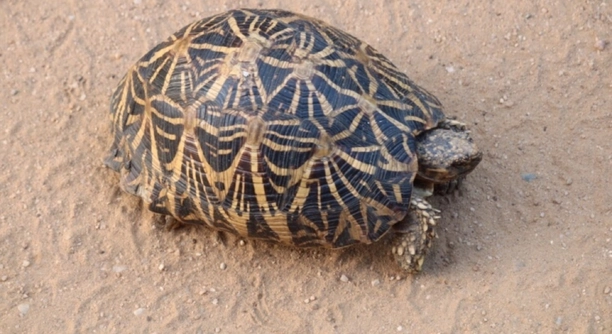
Cleaning the tank of an Indian Star Tortoise can seem like a tedious task. However, it’s essential to ensure that their habitat remains clean for their well-being. Regular maintenance can prevent health issues and improve their living environment.
Efficient tank cleaning for Indian Star Tortoises involves a regular schedule, using non-toxic cleaning agents, removing waste promptly, and providing proper substrate for easy cleaning. A well-maintained habitat minimizes stress for the tortoises and promotes a healthier environment.
These simple methods will help make tank cleaning much easier and more effective. Keeping the tortoises’ space clean not only benefits them but also ensures a more manageable upkeep for you.
1. Regular Cleaning and Waste Removal
A consistent cleaning schedule is crucial for keeping your Indian Star Tortoise’s tank free from bacteria and debris. Set a routine to clean the tank at least once a week. Start by removing any uneaten food and waste, as leftover items can decay and harm the tank’s ecosystem. Make sure to remove any dirty substrate, like soiled bedding or sand, as it can hold onto harmful bacteria.
While cleaning, avoid using harsh chemicals or soaps, as they may leave residues that could affect the tortoise’s health. Instead, use a mild, non-toxic cleaner. A simple vinegar and water solution works well for disinfecting the tank’s surface. After cleaning, ensure the tank is completely dry before adding fresh substrate or refilling with water.
Maintaining a regular cleaning schedule is a great way to ensure that your Indian Star Tortoise stays healthy and comfortable in its habitat. It also reduces the amount of work needed for each cleaning session, making it easier to stay on top of the tank’s maintenance.
2. Use Non-Toxic Cleaning Solutions
Choosing safe cleaning products for the tank is an essential step in maintaining your tortoise’s health. Non-toxic cleaners will ensure that no harmful chemicals are left behind after each cleaning.
Opting for natural solutions like vinegar and baking soda can be just as effective in keeping your tank clean without putting your tortoise at risk. Avoid any products with strong fragrances or harsh chemicals, as these can irritate their sensitive respiratory systems. It’s always best to stick with basic, non-toxic cleaning agents that you already have at home.
By using non-toxic solutions, you eliminate the risk of introducing harmful substances into the tortoise’s environment. This practice will keep your tortoise safe while still providing an effective clean, ensuring a healthier living space.
3. Remove Excess Water Regularly
Standing water can quickly become a breeding ground for bacteria. Make it a habit to remove any excess water from the tank every day, especially after your tortoise drinks or soaks.
Use a small siphon or sponge to remove any water collected in the corners or on the surface. Check the humidity levels regularly to avoid over-watering, which can lead to mold or fungal growth. Make sure that your tortoise’s habitat is neither too dry nor too damp. This balance helps maintain a healthy environment while preventing water-related issues.
Over time, excess water can lead to odors and a buildup of harmful substances. It’s best to stay on top of it by wiping down surfaces and ensuring that water doesn’t linger for too long. Regular removal of standing water not only keeps the tank clean but also promotes your tortoise’s overall health.
4. Use the Right Substrate
Choosing the right substrate is an important factor in making tank cleaning easier. Select a material that is absorbent but easy to clean, like coconut coir or cypress mulch. These materials help manage waste and reduce the chances of odor buildup.
Avoid substrates like gravel or sand, which can be difficult to clean and may cause digestive issues if ingested. Also, remember to spot clean the substrate frequently by removing waste and uneaten food. Regularly replacing a portion of the substrate helps maintain cleanliness without a complete overhaul.
By using a suitable substrate and cleaning it regularly, you can make maintenance much easier. A good substrate not only helps in cleaning but also provides a natural environment for your tortoise. It keeps the habitat comfortable, dry, and safe, contributing to your tortoise’s well-being.
5. Provide a Separate Food Area
Designate a specific area for feeding your Indian Star Tortoise. This will help prevent food from mixing with substrate and waste. By having a separate feeding area, you can keep the tank cleaner and reduce the amount of debris that needs to be cleaned.
Use a shallow dish or tray that’s easy to clean, and place it in a corner of the tank. After each feeding, remove any uneaten food promptly. This will also help reduce the chances of leftover food decaying, which can affect the tank’s cleanliness and the tortoise’s health.
6. Regularly Check for Mold or Fungal Growth
Mold or fungal growth can quickly take over a tortoise’s tank if the conditions are right. Check regularly for any signs of growth, particularly in damp or warm areas.
If you notice any mold, remove the affected areas immediately. Clean surfaces thoroughly using a non-toxic disinfectant and replace any affected substrate. Proper ventilation is key to preventing mold, so make sure the tank is well-ventilated and that excess moisture is removed quickly.
By staying proactive about mold prevention, you ensure a cleaner and healthier environment for your tortoise. Keep the tank dry and well-ventilated to avoid fungal problems.
7. Create a Simple Tank Cleaning Routine
Having a cleaning routine helps maintain consistency and reduces the stress of deep cleaning sessions. Set aside a specific day each week for a thorough tank cleaning. In addition to regular waste removal, this routine should include replacing part of the substrate and checking water levels.
This simple habit will ensure that the tank remains in good condition without requiring excessive effort. It will also allow you to spot any potential issues early, ensuring your tortoise’s habitat stays clean and comfortable.
FAQ
How often should I clean my Indian Star Tortoise’s tank?
Cleaning frequency depends on the size of the tank and the number of tortoises. A good rule is to clean the tank thoroughly once a week. Spot cleaning can be done daily to remove waste and uneaten food. If you notice any unpleasant odors, you may need to clean more often.
Can I use regular soap to clean the tank?
No, regular soap is not safe for cleaning the tank as it can leave harmful residues. Instead, use a non-toxic cleaner or natural alternatives like vinegar and water. These are effective for disinfecting without posing a risk to your tortoise’s health.
How do I keep the tank from getting too smelly?
To prevent odors, regularly remove waste and uneaten food. Also, make sure the tank has proper ventilation and that moisture levels are balanced. If you use a substrate that absorbs moisture, such as coconut coir, replace it regularly to prevent buildup of odors.
What is the best substrate for an Indian Star Tortoise?
The best substrates are absorbent, easy to clean, and safe if ingested. Options like coconut coir, cypress mulch, or organic soil are great choices. Avoid using sand, gravel, or wood shavings, as these can be difficult to clean and may harm your tortoise.
How can I maintain humidity levels in the tank?
Humidity is crucial for the health of your tortoise. To maintain proper humidity, use a hygrometer to monitor the levels. If it’s too dry, mist the tank lightly with water. If it’s too wet, ensure that the tank is well-ventilated and remove any excess moisture.
Can I use a filter in the tank?
Yes, a filter can help keep the water clean if your tortoise uses a water dish or soaking area. Ensure the filter is gentle enough not to disturb the tortoise. Regular cleaning of the filter is essential to maintain proper water quality.
How do I prevent my tortoise from ingesting the substrate?
Some tortoises may try to eat the substrate, which can cause digestive issues. To minimize this risk, choose a substrate that is non-toxic and unlikely to be ingested. If your tortoise persistently eats the substrate, consider using a deeper layer to discourage it from reaching the bottom.
Is it necessary to provide a water dish for my tortoise?
Yes, a shallow water dish is essential for hydration. Indian Star Tortoises also enjoy soaking in water, so providing a dish large enough for them to climb into is beneficial. Make sure to clean the water dish regularly and keep it filled with fresh water.
What temperature should the tank be?
Indian Star Tortoises thrive in temperatures between 75-85°F (24-29°C). Ensure there is a temperature gradient in the tank, with a warm basking spot and a cooler area. Use a thermometer to monitor the tank’s temperature and adjust the heat source as needed.
How can I clean my tortoise’s shell?
You can gently clean your tortoise’s shell with a soft, damp cloth. Avoid using harsh chemicals or scrubbing too hard, as this could damage the shell. Cleaning the shell is mainly for hygiene purposes and does not require frequent attention unless there’s visible debris.
Can I use wood chips or pine shavings as a substrate?
Avoid using pine shavings or other types of wood chips, as they can release harmful oils that are toxic to reptiles. Instead, opt for safe alternatives like coconut coir or cypress mulch, which are better suited for the tortoise’s environment.
How do I handle mold in the tank?
Mold can form in humid conditions, especially if moisture levels are too high. If you notice mold, remove the affected area and clean it thoroughly. Regularly checking the humidity levels and ensuring proper ventilation will prevent mold growth in the future.
Can I use a heat lamp for my tortoise?
Yes, a heat lamp is essential for providing the necessary warmth. Make sure the heat lamp is positioned so that your tortoise can move between warmer and cooler areas. A UVB bulb is also recommended to provide essential light and promote proper calcium absorption.
How do I know if my tortoise is stressed in its tank?
Signs of stress in a tortoise include excessive hiding, refusal to eat, or an unsteady gait. If you notice these signs, check the tank’s temperature, humidity, and overall cleanliness. Stress may also occur if the tortoise’s environment feels too cramped or lacks proper stimulation.
Should I cover the tank to maintain humidity?
Covering part of the tank can help maintain humidity, especially if you live in a dry climate. However, make sure to leave some areas open for ventilation to prevent excess moisture buildup, which can lead to mold or respiratory issues for your tortoise.
How do I clean the tank’s water area?
For the water area, change the water daily to prevent contamination. Clean the container with warm water and a non-toxic cleaner to remove any buildup. If you use a filter, clean it regularly to keep the water fresh and clear.
Can I use a glass tank for my tortoise?
A glass tank is fine as long as it provides adequate ventilation. However, a mesh lid or open top is essential to allow airflow. Ensure the tank is large enough for your tortoise to move around comfortably. A larger space reduces the stress of confinement.
Do I need to disinfect the tank regularly?
Disinfecting the tank every few months is a good practice. Use a mild, non-toxic disinfectant to clean surfaces. Make sure to remove all the substrate and clean all the equipment thoroughly. This helps prevent the buildup of bacteria and keeps the tank in optimal condition.
How do I spot clean the tank daily?
Spot cleaning involves removing visible waste, such as feces and uneaten food, every day. Use a small scoop or shovel to pick up waste. Make sure to wipe down any soiled surfaces and replace substrate if needed to keep the tank clean.
Final Thoughts
Cleaning and maintaining the tank for your Indian Star Tortoise doesn’t have to be a difficult task. By staying on top of routine spot cleaning and performing deeper cleans weekly, you can easily ensure your tortoise’s habitat is healthy. Using the right tools, such as non-toxic cleaners and safe substrates, will help make the process smoother. It’s essential to maintain the right humidity and temperature levels within the tank, as this will keep your tortoise comfortable and reduce the risk of health issues. Ensuring the proper lighting, temperature gradients, and water cleanliness is key to creating a thriving environment.
A well-maintained tank not only promotes the physical health of your Indian Star Tortoise but also keeps the space safe and clean for them. Make sure to remove uneaten food, waste, and debris regularly to prevent any buildup that can affect the air quality or the overall cleanliness of the tank. Offering a variety of substrates and items that mimic a natural habitat can also help your tortoise feel at ease. Proper tank care will allow them to be active and happy, reducing stress levels and promoting a longer, healthier life.
The time and effort spent on tank cleaning will be reflected in the well-being of your tortoise. Establishing a consistent cleaning routine that works for you and your pet’s needs is important. Whether it’s through small, daily cleaning tasks or more thorough cleaning sessions once a week, keeping the tank in good condition is a simple way to show your care. A clean, comfortable environment is key to a happy and healthy tortoise, ensuring they live a long and fulfilling life.

Hello,
If you enjoy the content that we create, please consider saying a "Thank You!" by leaving a tip.
Every little bit helps us continue crafting quality advice that supports the health, happiness, and well-being of pets around the world, for pets of all shapes, sizes, and species.
We really appreciate the kindness and support that you show us!