
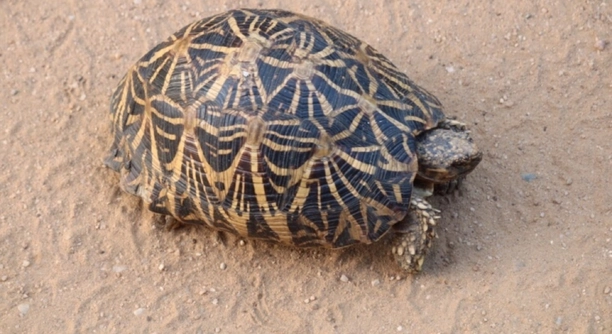
Is your Indian star tortoise ignoring its leafy greens, leaving you concerned about its diet? Encouraging these tortoises to eat more greens can be simple with the right techniques. Small changes can make a big difference in their eating habits.
To get Indian star tortoises to eat more greens, offer a variety of fresh, pesticide-free vegetables. Mixing greens with favorite foods, adjusting moisture levels, and maintaining a consistent feeding schedule can enhance their appetite. Proper lighting and temperature also play crucial roles in encouraging healthy eating behaviors.
Creating a well-balanced diet for your tortoise ensures its long-term health. Exploring different feeding strategies will help you provide a nutritious and appealing meal plan tailored to its needs.
Offer a Variety of Greens
Providing a mix of fresh, pesticide-free greens can encourage better eating habits. Indian star tortoises may become bored with the same foods, so rotating different leafy vegetables helps maintain their interest. Options like dandelion greens, collard greens, and mustard greens provide essential nutrients. Adding hibiscus leaves or cactus pads can enhance variety while offering hydration. Chopping greens into manageable pieces makes it easier for them to eat. Sprinkling calcium powder ensures they receive necessary minerals. Over time, introducing new greens gradually helps prevent selective eating and ensures a well-rounded diet.
Changing greens frequently prevents dietary monotony. Mixing leafy vegetables with their preferred foods can encourage consumption. This approach keeps meals appealing and nutritionally balanced.
Observing their eating preferences can help determine which greens they enjoy most. Introducing different textures and flavors allows them to adjust naturally, making them more likely to eat a diverse diet.
Maintain Proper Lighting and Temperature
Indian star tortoises rely on proper lighting and temperature to stimulate their appetite. A warm environment with access to UVB lighting ensures they metabolize nutrients efficiently and remain active. Keeping their habitat within an appropriate temperature range supports digestion and overall well-being.
A basking area around 95°F and a cooler zone around 75°F help regulate their body temperature. Without sufficient heat, their digestion slows, leading to reduced appetite. Using a high-quality UVB bulb encourages natural behaviors and improves calcium absorption. Maintaining consistent lighting for 10–12 hours daily creates a stable routine.
Placing food in their basking area can stimulate feeding. The warmth encourages activity, making them more likely to eat. If they seem uninterested in food, adjusting temperature and light exposure may help. Ensuring their enclosure mimics natural conditions supports both their health and feeding habits.
Mix Greens with Favorite Foods
Blending greens with foods they already enjoy can make meals more appealing. Chopping greens into small pieces and mixing them with favorites like hibiscus flowers or grated squash encourages them to eat. Gradually increasing the amount of greens helps them adjust without rejecting their meal.
Some tortoises prefer certain textures, so experimenting with different ways to prepare greens can help. Lightly misting them with water enhances freshness and hydration. If they favor fruits, using a small amount as a topper can attract them to their greens. However, fruits should be given sparingly to prevent excess sugar intake. Balancing flavors and textures ensures a well-rounded diet.
Observing their response to different combinations can help identify what works best. Some may prefer softer greens, while others respond better to crisp textures. Rotating these options prevents boredom and makes their meals consistently interesting while ensuring they get the necessary nutrients.
Adjust Feeding Schedule
Tortoises thrive on routine, and a structured feeding schedule can improve their appetite. Offering greens at the same time each day helps establish a habit. Placing food in their enclosure when they are naturally active increases the chances of them eating consistently.
Feeding them in the morning allows them to digest throughout the day while benefiting from heat and UVB exposure. Removing uneaten food after a few hours prevents spoilage and keeps their enclosure clean. If they seem uninterested, skipping a feeding session occasionally can increase their appetite the next day. Adjusting portion sizes ensures they eat what they need without overfeeding.
Some tortoises respond better to hand-feeding initially, especially when adjusting to new foods. Placing greens near their preferred basking spot can encourage them to eat. Observing their habits and making small adjustments helps create a routine that supports healthy eating habits.
Keep Greens Fresh
Freshness plays a big role in whether a tortoise will eat its greens. Wilted or dry leaves are less appealing, so storing them properly ensures they stay crisp. Keeping greens in a sealed container with a damp paper towel helps maintain their moisture and texture.
Washing greens before serving removes pesticides and improves freshness. Lightly misting them with water before feeding can make them more enticing. Offering freshly picked greens or those stored correctly encourages better eating habits. Making small adjustments to food preparation can lead to a noticeable improvement in their interest.
Minimize Distractions During Feeding
A calm feeding environment helps tortoises focus on their food. Loud noises, excessive movement, or too many enclosure changes can make them hesitant to eat. Placing food in a quiet, familiar spot ensures they feel secure enough to eat comfortably without unnecessary stress.
Offer Hand-Feeding Occasionally
Hand-feeding can help build trust and encourage hesitant eaters. Holding a small piece of green near their mouth allows them to investigate and eat at their own pace. This method can be useful when introducing new foods or when they seem uninterested in their usual greens.
FAQ
Why is my Indian star tortoise refusing to eat greens?
Tortoises may refuse greens due to dietary preferences, environmental stress, or improper temperatures. If their habitat is too cold, their metabolism slows, reducing appetite. Stress from enclosure changes or new surroundings can also cause temporary food refusal. Offering a variety of greens and ensuring optimal conditions can help.
How can I introduce new greens into my tortoise’s diet?
Introducing new greens gradually prevents rejection. Mixing them with familiar foods encourages acceptance. Chopping greens into smaller pieces and combining them with favorites, such as hibiscus flowers or cactus pads, makes them more appealing. Patience is key, as tortoises may take time to adjust to different textures and flavors.
Can I feed my tortoise only one type of green?
A varied diet is essential for proper nutrition. Feeding only one type of green can lead to nutrient deficiencies. Rotating between different leafy greens, such as dandelion greens, collard greens, and turnip greens, ensures a balanced intake of vitamins and minerals necessary for overall health.
Is it okay to give fruits to encourage eating?
Fruits should be given sparingly, as they contain high sugar levels that are not ideal for Indian star tortoises. While small amounts of papaya or berries can stimulate appetite, excessive fruit consumption may cause digestive issues. Greens should remain the primary food source to maintain a healthy diet.
What should I do if my tortoise only eats certain greens?
Some tortoises develop strong food preferences, making it challenging to introduce new options. Slowly mixing new greens with their preferred ones can help. Offering a variety of greens in rotation rather than sticking to one type ensures they receive a well-balanced diet over time.
Should I add supplements to my tortoise’s greens?
Calcium and vitamin supplements can support overall health, especially if the diet lacks certain nutrients. Dusting greens with a calcium supplement a few times a week helps maintain strong bones and shell growth. However, excessive supplementation should be avoided, as it can lead to imbalances.
How often should I feed my tortoise greens?
Offering greens daily ensures consistent nutrition. Younger tortoises may need slightly more food due to their growth, while adults typically eat a moderate amount. Observing their eating habits helps determine the right portion size. Any uneaten food should be removed to prevent spoilage.
Why does my tortoise ignore fresh greens but eat other foods?
Tortoises may prefer certain textures or flavors, causing them to ignore some greens. If they have been given too many treats or fruits, they might develop selective eating habits. Reducing treats and ensuring a proper feeding routine can help them regain interest in fresh greens.
Can feeding time affect how much my tortoise eats?
Yes, feeding at the right time makes a difference. Indian star tortoises are more active in the morning and late afternoon. Offering greens during these periods increases the chances of them eating. Placing food in a familiar, quiet area also encourages regular feeding.
Do tortoises get bored of eating the same greens?
They can become uninterested in repetitive meals. Rotating greens and occasionally changing their presentation keeps feeding time more engaging. Mixing in different textures or adding edible flowers can make meals more appealing without compromising nutritional value.
Final Thoughts
Encouraging Indian star tortoises to eat more greens requires patience and consistency. Providing a variety of fresh, nutritious greens while maintaining proper habitat conditions ensures they receive the nutrients they need. Avoiding excessive treats and offering food at optimal times can help establish healthy eating habits. Some tortoises may be picky eaters, but gradual changes to their diet can make a significant difference. Mixing greens with their favorite foods, ensuring they are properly hydrated, and maintaining a stress-free environment all contribute to better feeding behavior. Understanding their natural habits and preferences allows for a more effective approach to improving their diet.
Observing their eating patterns can help determine what works best for them. Some tortoises respond well to slight changes in texture, while others prefer specific greens over time. If they reject new food, persistence is key. Reintroducing the greens in different ways, such as cutting them into smaller pieces or offering them at different times, can encourage acceptance. Additionally, ensuring they have access to clean, fresh water at all times supports overall health and digestion. While it may take some time for them to fully adjust, staying consistent with a varied diet will promote long-term well-being.
Feeding a balanced diet is essential for their growth and shell development. Providing high-quality greens, avoiding excessive fruits, and supplementing with calcium when necessary all contribute to their overall health. Maintaining an appropriate temperature range in their enclosure supports their metabolism, ensuring they remain active and willing to eat. Small adjustments, such as improving lighting and ensuring proper humidity levels, can further enhance their appetite. By taking a proactive approach and adapting to their needs, it becomes easier to encourage healthy eating habits. Making these small changes can lead to long-term benefits, keeping them strong and thriving.

Hello,
If you enjoy the content that we create, please consider saying a "Thank You!" by leaving a tip.
Every little bit helps us continue crafting quality advice that supports the health, happiness, and well-being of pets around the world, for pets of all shapes, sizes, and species.
We really appreciate the kindness and support that you show us!