
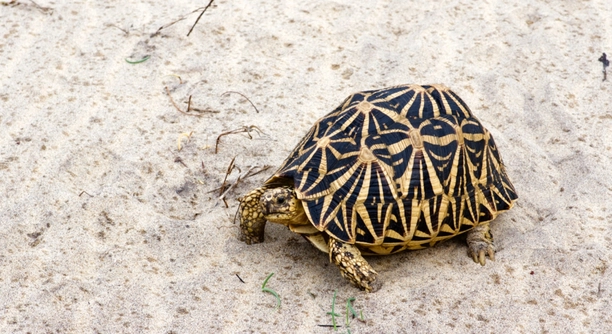
Creating a proper environment for your Indian Star Tortoise includes selecting the right plants for their enclosure. The right plants not only add beauty but also contribute to their well-being. In this guide, we’ll explore safe plant options.
There are several plants that are safe and beneficial to include in an Indian Star Tortoise’s enclosure. These plants provide shade, hideouts, and nutritious greens, all while being non-toxic. It’s essential to choose plants that won’t harm your tortoise if consumed.
Adding the right plants to your tortoise’s enclosure can make a huge difference in their comfort and health. This article will help you select plants that are both safe and enriching for your pet’s habitat.
1. Selecting Plants that Are Safe for Indian Star Tortoises
When choosing plants for your Indian Star Tortoise enclosure, it’s crucial to avoid toxic varieties. Safe plants provide not only a safe eating source but also create a natural environment for your tortoise. Look for plants that thrive in the warm and humid conditions typical of their habitat. Consider adding leafy greens, grasses, and shrubs that your tortoise will naturally enjoy munching on.
Always be sure to verify whether a plant is safe before placing it inside your tortoise’s enclosure. While some plants are beneficial, others can cause digestive problems or worse. A simple way to ensure safety is to choose common, well-known species that have been tested for use with reptiles. Safe plants are essential in keeping your tortoise healthy and happy.
Choosing plants that complement your tortoise’s needs is not just about beauty, but also about creating a balanced habitat. By adding the right plants, you can help your tortoise feel at home while ensuring they are in a safe environment. Healthy plants also assist in maintaining the proper humidity levels.
2. Ideal Plant Choices for Your Indian Star Tortoise
The following plants are excellent additions to your tortoise’s enclosure. These varieties are non-toxic and offer natural nutrition.
Herbs like dandelion greens, clover, and plantain make great food options while also contributing to the overall aesthetics of the habitat. These plants are perfect for foraging and can help mimic the tortoise’s natural environment. Additionally, many succulents like cactus provide shade and shelter, offering comfort without risk to your tortoise.
3. Benefits of Adding Grasses to Your Tortoise Enclosure
Grasses like Bermuda and Timothy are excellent choices for your Indian Star Tortoise enclosure. These grasses provide an essential source of fiber and help maintain digestive health. They also encourage natural foraging behaviors, which are beneficial for your tortoise’s mental stimulation.
The right grasses mimic your tortoise’s natural environment. These plants thrive in similar conditions to what your tortoise would experience in the wild. Including grasses like Bermuda or Timothy provides your tortoise with a balanced diet and a more enriched habitat. These plants can also help maintain proper humidity levels in the enclosure, ensuring the right conditions for your tortoise’s health.
In addition to offering dietary benefits, grasses also create a more natural and aesthetically pleasing environment. They help with burrowing, hiding, and creating shade for your tortoise. Having grasses in the enclosure encourages activity and helps to reduce stress for your tortoise.
4. Non-Toxic Shrubs and Plants for Hiding Spaces
For creating hiding spots, shrubs like hibiscus or mulberry work well. These plants provide your tortoise with shade and comfort, as well as areas for retreat and relaxation. Having hiding spots is important for your tortoise’s mental and physical well-being.
Adding non-toxic shrubs to your tortoise’s enclosure helps create a more complex environment. It’s essential that tortoises have access to areas where they can retreat from bright lights or other stressful elements. Hibiscus, for example, provides large leaves that give a feeling of security, while mulberry plants offer not only hiding space but also tasty leaves.
By including these shrubs, you’re creating an enriched space for your tortoise to thrive. They can also aid in maintaining proper humidity levels. These plants require minimal care but provide great benefits by offering shelter and hiding spaces.
5. Safe Leafy Greens for Your Indian Star Tortoise
Leafy greens are an important part of your tortoise’s diet. Plants like collard greens and mustard greens are not only safe but nutritious. These plants help support a balanced diet and contribute to healthy digestion for your tortoise.
Leafy greens should be fresh and clean before being placed in the enclosure. They are perfect for providing your tortoise with essential vitamins and minerals. Incorporating a variety of greens keeps things interesting for your tortoise and prevents them from getting bored with the same food sources. It’s important to ensure that these greens are pesticide-free.
These greens also add to the overall aesthetic of the enclosure by adding lush, vibrant colors. They provide a natural touch and enhance the visual appeal of your tortoise’s home. Be sure to rotate the greens regularly for variety and optimal health.
6. Flowering Plants to Include in the Enclosure
Flowering plants such as marigolds and petunias can also be a great addition. These plants are safe for your tortoise and can add bursts of color to the habitat. They create a more natural environment for your tortoise to explore.
Flowering plants can help attract beneficial insects, which could serve as a food source for your tortoise. Additionally, they provide much-needed shade and shelter. Marigolds, in particular, have medicinal properties that are helpful to your tortoise’s overall health. Their bright colors and scent make the environment feel more dynamic and natural. These plants can also assist in maintaining proper humidity.
7. Choosing Succulents for Shade and Texture
Succulent plants, such as aloe vera and echeveria, are great for creating texture and offering shade. These plants are non-toxic and can withstand the environmental conditions of a tortoise enclosure. They add an interesting visual element.
Succulents are also easy to care for and require minimal maintenance. They thrive in warm, dry conditions, which is perfect for your tortoise’s habitat. Aloe vera, known for its healing properties, can also be beneficial if your tortoise needs skin care. They provide a good source of shade and shelter from the heat while remaining safe for your pet.
FAQ
Can I include all plants in my Indian Star Tortoise’s enclosure?
Not all plants are safe for your Indian Star Tortoise. Some plants are toxic and can cause harm if consumed. Always research the plants before placing them in the enclosure. It’s best to choose non-toxic plants like dandelion, hibiscus, and mulberry to ensure the safety of your tortoise. Avoid ornamental plants that may be treated with pesticides or chemicals. Stick to plants that are known to be safe and beneficial for reptiles.
How do I know if a plant is toxic to my tortoise?
Research is key when determining whether a plant is toxic. Many plants have been tested for safety around reptiles, and there are resources available to guide you. If in doubt, check reliable online sources, consult with a vet, or refer to a reptile care guide. If you’re still unsure, it’s best to avoid that plant altogether. Toxic plants can cause poisoning, digestive issues, or even death. Always prioritize safety and opt for well-known, safe options.
Are there any plants that can help maintain humidity in the enclosure?
Yes, plants like ferns and spider plants can help maintain humidity in the enclosure. These plants naturally release moisture into the air, creating a more humid environment. It’s important to balance humidity, as your tortoise thrives in a warm and humid habitat. Adding the right plants will help regulate the moisture levels and ensure your tortoise is comfortable. Some other options include peace lilies and bamboo, which can also serve the dual purpose of adding greenery to the enclosure.
How often should I replace the plants in my tortoise’s enclosure?
You don’t need to replace plants very frequently, but you should keep an eye on their condition. Some plants may need replacing if they start to wither, die, or become too overgrown. Regular pruning can also keep plants healthy and manageable. If a plant starts to look unhealthy or becomes a source of debris in the enclosure, it’s time to replace it. Be sure to remove any dead or decaying plant material to keep the environment clean and safe.
Can I grow plants inside the enclosure?
Yes, you can grow plants inside the enclosure as long as they’re safe and fit the conditions. Many plants thrive in the warm and humid environment of a tortoise enclosure. Just make sure to choose plants that are non-toxic and suitable for the space. Growing plants inside provides a natural look and enriches your tortoise’s habitat, offering areas for hiding and foraging. It also helps promote a more organic, balanced environment for your pet.
Do plants in the enclosure need special care?
Plants in the enclosure require some care, but it’s relatively simple. You’ll need to water them regularly, especially if they are moisture-loving species like ferns. Ensure that the plants get enough light, either from natural sunlight or artificial UVB lighting, as most plants need adequate light to thrive. Be mindful of the temperature and humidity levels in the enclosure, as different plants have different needs. Regularly check for any pests or mold growth on plants and remove any dead leaves or branches.
Can I use artificial plants instead of real ones?
While real plants provide more benefits to your tortoise’s environment, artificial plants can still be used. They won’t provide food or contribute to humidity, but they can add to the aesthetic appeal of the enclosure. If you choose to use artificial plants, make sure they’re non-toxic and free from harmful chemicals. However, for a truly enriching experience for your tortoise, real plants are the better option as they offer foraging opportunities and natural shelter.
What should I do if my tortoise starts eating the plants?
If your tortoise is eating the plants, it’s actually a good sign. Tortoises often eat plants as part of their natural diet. As long as the plants are safe, there’s no need to worry. However, if you notice your tortoise munching on a toxic plant, remove it immediately. If they’re eating too many plants and not getting enough of their primary food sources, like grasses and leafy greens, adjust their diet. Make sure your tortoise has access to fresh food and safe plants in moderation.
Are there any plants that help with digestion?
Yes, plants like dandelion greens, clover, and mulberry are excellent for digestion. These plants are rich in fiber, which helps your tortoise maintain a healthy digestive system. They are also safe for consumption and can be offered as part of your tortoise’s diet. Including a variety of these plants will not only aid digestion but also provide essential vitamins and minerals. Keep in mind that plants should make up only part of your tortoise’s overall diet, with grasses and leafy greens being a staple.
Can I use plants from my garden in the enclosure?
You can use plants from your garden, but be careful. Many garden plants may be treated with pesticides or chemicals that can harm your tortoise. Ensure the plants are free of any chemical treatments before placing them in the enclosure. It’s also essential to verify that the plants are non-toxic to reptiles. If you’re uncertain about a plant’s safety, it’s best to avoid using it or do thorough research before introducing it to your tortoise’s environment. Always prioritize the safety of your pet.
Final Thoughts
Choosing safe plants for your Indian Star Tortoise enclosure is crucial for their well-being. By selecting plants that are non-toxic and suited to their environment, you can provide a healthy and stimulating habitat for your tortoise. The right plants not only enhance the visual appeal of the enclosure but also contribute to the overall comfort of your pet. When choosing plants, always research their safety and make sure they won’t harm your tortoise if consumed. Keeping the plants well-maintained, checking for signs of disease or decay, and ensuring proper care can help avoid any issues.
Providing a natural environment with live plants can also help your tortoise feel more at home. Plants like hibiscus, mulberry, and dandelions offer your tortoise the opportunity to forage, hiding among leaves and adding variety to their surroundings. This helps create a more enriching space, promoting healthy behaviors and reducing stress. Additionally, live plants can help regulate humidity levels and oxygen in the enclosure, contributing to the overall health of the habitat. However, it’s important to maintain balance, as too many plants can cause clutter or difficulty in navigating the space.
While live plants are the best option for enrichment, artificial plants can still serve a decorative purpose. If you’re looking for an easier alternative, you can use artificial plants, but ensure they are non-toxic and easy to clean. Regardless of the plant type, remember to regularly check the enclosure for pests, mold, or any plant material that might negatively affect the tortoise’s health. Overall, choosing the right plants is a simple but significant way to ensure your tortoise has a safe, comfortable, and enriched environment.

Hello,
If you enjoy the content that we create, please consider saying a "Thank You!" by leaving a tip.
Every little bit helps us continue crafting quality advice that supports the health, happiness, and well-being of pets around the world, for pets of all shapes, sizes, and species.
We really appreciate the kindness and support that you show us!