
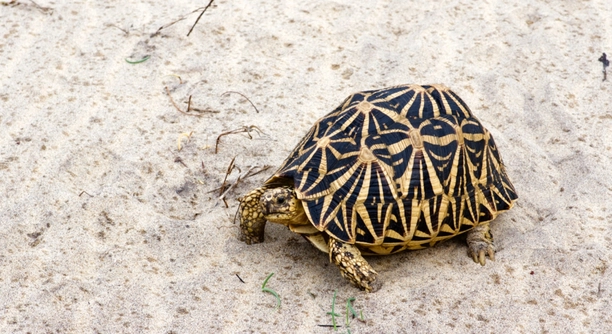
Indian star tortoises are fascinating creatures, but if your pet is hiding all the time, it might cause concern. Understanding their behavior is important to ensure their well-being and comfort in their environment.
The most common reasons for your Indian star tortoise hiding are stress, temperature issues, or inadequate habitat. Tortoises may seek hiding spots when feeling unsafe or uncomfortable. It’s essential to assess their living conditions to rule out these factors.
Understanding these factors will help you make the necessary adjustments to improve your tortoise’s environment and encourage a more active lifestyle.
Stress and Anxiety
Stress can be a major factor in your Indian star tortoise’s behavior. If there have been any recent changes in the environment, such as moving their enclosure or introducing new pets, they might feel anxious. Tortoises are naturally shy creatures and may need time to adjust to new situations. It’s important to keep their surroundings quiet and calm, avoiding loud noises or sudden movements that could startle them. Additionally, handling them too much can increase stress levels, causing them to hide for longer periods.
A stable, quiet space with minimal disruptions is ideal for your tortoise. If their environment feels too chaotic, this can lead to them retreating into their shell. Pay attention to how often you handle them and give them enough time to feel secure.
Setting up a designated, calm spot where they can feel safe can significantly reduce hiding behavior. Creating a comfortable and stress-free space will help your tortoise relax and reduce the need for constant hiding.
Temperature and Humidity
Your tortoise’s hiding could also be a sign that the temperature or humidity in their habitat is off. If it’s too hot or too cold, they may try to find a cooler or warmer place to retreat. A well-balanced temperature range is crucial for their health. Ensure the basking area is around 90°F and the cooler areas stay around 75°F.
Humidity plays an important role too, especially if your tortoise is used to more humid conditions. If the humidity is too low, they might seek out damp spots to stay cool and hydrated. Adjusting the humidity in their environment can make a big difference in their behavior. Regularly check the temperature and humidity levels with a reliable thermometer and hygrometer to keep them at optimal levels.
Proper lighting is also a factor. UVB lighting helps your tortoise stay healthy and active. Without it, they may feel weak and lethargic, which could also lead to hiding.
Habitat and Hiding Spots
Your Indian star tortoise might be hiding simply because it feels safe in a particular spot. Tortoises are known to enjoy hiding in caves or burrows, mimicking their natural habitat. Providing a variety of hiding spots within their enclosure is key to ensuring they feel comfortable. These hiding spots can include small wooden huts, rocks, or even plants that create a cozy environment.
The size and design of their enclosure are equally important. Make sure the space isn’t too cramped. Tortoises need room to move and explore. A large, well-structured enclosure with plenty of hiding areas can make a big difference in their behavior. If their habitat feels too small, they might feel trapped, prompting them to hide even more often.
It’s essential to keep the enclosure clean, as a dirty environment can also lead to stress. Regular cleaning and maintaining their habitat will ensure they feel comfortable and safe.
Health Concerns
Another reason your tortoise might be hiding is because of health problems. If they are not feeling well, they may retreat to a hiding spot as a way to rest and recover. Common health issues, such as respiratory infections or shell problems, can make your tortoise feel weak and less likely to engage in their usual activities.
If your tortoise’s hiding behavior persists or is accompanied by signs like lack of appetite, lethargy, or abnormal behavior, it’s important to consult with a veterinarian. Early detection of health problems can prevent further issues and ensure your tortoise stays healthy.
In addition to seeking medical advice, offering a healthy diet and proper care can help support their immune system. Providing them with a balanced diet of leafy greens, fruits, and protein will help keep them strong and less likely to hide due to illness.
Lighting and UVB Requirements
Proper lighting is crucial for your tortoise’s health and behavior. Without adequate UVB lighting, they can become lethargic, weak, and more likely to hide. UVB light helps them process calcium and maintain a healthy shell, so it’s essential to provide it.
Tortoises need around 10-12 hours of UVB light each day, which can be achieved with the right bulb. Make sure to replace the bulb every 6-12 months as its effectiveness can decrease over time. Place the light source about 12 inches above your tortoise’s basking area to ensure they receive enough exposure. Without it, they may hide, feeling unwell or undernourished.
The basking area should be well-lit with a temperature between 90-95°F. Proper lighting, paired with a healthy temperature gradient, ensures your tortoise feels active and secure.
Overfeeding or Diet Issues
Feeding your tortoise the wrong amount of food can also lead to hiding. Overfeeding or providing an unbalanced diet may make them feel sluggish or uncomfortable. Tortoises are not designed to consume large amounts of food at once, and overfeeding can lead to digestive issues.
Offering a variety of leafy greens, such as dandelion greens, and limiting the amount of high-calcium foods, like spinach, helps maintain a balanced diet. Fresh fruits and vegetables should be provided in moderation. Be mindful of portion sizes to avoid making your tortoise feel too full, as they may retreat into hiding when feeling uncomfortable from overfeeding.
In addition to the right foods, always ensure access to clean, fresh water. Hydration is key to their overall well-being. If your tortoise is not eating or hiding more frequently, a dietary adjustment might be needed.
Behavior and Natural Instincts
Indian star tortoises are naturally shy and solitary creatures. Hiding is a common behavior when they need privacy or feel overwhelmed. It’s important to provide a space where they can retreat without feeling constantly exposed. The more secure they feel, the less likely they will be to hide.
While it may seem concerning if your tortoise hides often, this is part of their instinctual behavior. As long as they are eating, drinking, and moving normally, occasional hiding is usually nothing to worry about. Observe their behavior for changes, such as reduced activity or lack of appetite, which may indicate that something is wrong.
If the hiding becomes excessive or is accompanied by signs of illness, it’s a sign to further evaluate their health and habitat. Regular checks on their behavior can give you valuable insights into their needs.
Environmental Changes
Any sudden changes in your tortoise’s environment can cause stress, leading to hiding behavior. Even rearranging their habitat can feel overwhelming. Try to maintain consistency in their living conditions to help them feel secure. Small adjustments are fine, but large changes should be done gradually.
If you’ve recently moved their enclosure, they might need time to adjust to the new setup. Tortoises can be sensitive to changes, and it can take a while for them to feel comfortable again. Try to keep the surroundings as familiar as possible to avoid stressing them further.
Seasonal Changes and Temperature Shifts
As cold-blooded animals, Indian star tortoises are sensitive to seasonal temperature shifts. During colder months, they might become less active and seek out warmer, hidden spots to hibernate or rest. Keep their habitat warm and consistent throughout the year to prevent excessive hiding due to temperature changes.
In colder weather, they might not hide because of stress, but due to their natural instinct to slow down. Provide a temperature gradient with a warm basking area to ensure they feel comfortable. If temperatures drop too much, your tortoise might hide to conserve energy.
FAQ
Why is my Indian star tortoise hiding all the time?
Hiding is common behavior for Indian star tortoises, as they are naturally shy and solitary animals. It can also be a sign of stress, illness, or discomfort. If your tortoise feels threatened by changes in their environment, such as a new pet or noisy surroundings, they may retreat into hiding. Ensure their habitat is quiet, calm, and consistent to help them feel secure. If they hide frequently but are still eating and drinking normally, it’s often just part of their nature. However, if their appetite drops or they show other signs of illness, it could be a sign to visit the vet.
How can I tell if my tortoise is sick or just hiding?
It can be tricky to tell the difference between a sick tortoise and one that’s just hiding due to natural behavior. A healthy tortoise may occasionally retreat to a quiet spot, but if your tortoise isn’t eating, drinking, or moving around like usual, it could indicate illness. Pay attention to signs like swollen eyes, abnormal shell appearance, or a lack of appetite. If any of these symptoms are present, a vet check-up is recommended to rule out any health issues. Keeping a close eye on their behavior is key to understanding what’s normal.
Should I be concerned if my tortoise is hiding and not eating?
Yes, a tortoise hiding and refusing food can be a concern. It could be a sign of stress, illness, or environmental issues such as inadequate temperature or lighting. Tortoises require the right conditions to thrive, including proper lighting, heat, and humidity levels. If your tortoise continues to hide and refuses food, it’s a good idea to check their enclosure for any changes and ensure their needs are met. If the problem persists for more than a couple of days, consider taking them to a vet for an evaluation.
Can temperature changes cause my tortoise to hide?
Yes, temperature fluctuations can cause your tortoise to hide. Indian star tortoises are sensitive to changes in temperature. If the temperature in their habitat is too hot or too cold, they may seek out a hiding spot to regulate their body temperature. It’s important to provide a consistent temperature gradient in their enclosure with a warm basking area and cooler areas for them to retreat to. If they are hiding more often than usual, make sure the temperature is within the proper range for their species, typically around 90-95°F for basking.
How can I help my tortoise feel comfortable and stop hiding?
Creating a stable and secure environment is key to helping your tortoise feel comfortable. Ensure their enclosure is quiet, free from disturbances, and has a proper light cycle with UVB exposure. They also need a balanced diet and fresh water. A hiding spot in the enclosure is fine, but make sure they feel safe and not overwhelmed. Avoid sudden changes to their surroundings, and try to minimize stress from handling or other pets. A comfortable and stable environment will encourage your tortoise to be more active.
Is it normal for my tortoise to hide after a vet visit?
Yes, it’s normal for your tortoise to hide after a vet visit. Like many animals, they may feel stressed or disoriented after being handled or examined. This is especially true if the visit was for a medical issue. It’s important to give them time to adjust and recover. Make sure their habitat is clean, quiet, and comfortable so they can rest. If they continue to hide for extended periods after the visit, check for any signs of discomfort or health issues and consult with your vet if necessary.
What should I do if my tortoise is hiding all the time and not moving?
If your tortoise is hiding and not moving for a long period, you should investigate their environment and health. Check if the temperature, humidity, and lighting in their enclosure are appropriate. If everything seems fine, but the tortoise isn’t eating or moving around, it could be a sign of a health issue such as dehydration, constipation, or a respiratory infection. In such cases, it’s best to contact a vet who specializes in reptiles to get a proper diagnosis.
Can stress cause my tortoise to hide all the time?
Yes, stress is one of the main reasons tortoises may hide. Stress can come from various sources, such as a new environment, other pets, loud noises, or too much handling. Stress can also be caused by improper temperature, lighting, or diet. To reduce stress, make sure your tortoise has a calm, secure environment with appropriate lighting, temperature, and food. Keep handling to a minimum, especially if your tortoise seems easily stressed. If your tortoise’s hiding persists, check their environment carefully and consider professional help.
How much hiding is too much for my tortoise?
Occasional hiding is normal for an Indian star tortoise, but excessive hiding, especially for several days or weeks, can be a sign of an underlying problem. If your tortoise is consistently hiding, not eating, or showing signs of distress, it’s time to assess their habitat and health. Ensure that the enclosure is not too hot or cold, and check if they are receiving the proper UVB exposure. If they don’t improve with environmental adjustments, a vet visit is necessary to rule out illness or other issues.
Do Indian star tortoises hibernate?
Indian star tortoises do not hibernate in the traditional sense, but they do go into a period of dormancy if conditions are not right, especially during colder months. If temperatures drop too low, they may reduce their activity, hide, and stop eating. This is a natural response to unfavorable conditions. It’s important to keep their environment warm and stable year-round to avoid unnecessary dormancy. Make sure they have access to a warm basking area and monitor the temperature regularly.
Final Thoughts
Understanding your Indian star tortoise’s behavior is essential for providing the right care. Hiding can be a normal part of their routine, as these tortoises are naturally shy and prefer quiet spaces. However, if the hiding becomes excessive or is paired with other signs like a lack of appetite, it could indicate an issue. By carefully observing their habits and ensuring their environment is stable, you can help your tortoise feel safe and comfortable. The key is consistency in their habitat, temperature, and diet, as any sudden changes can lead to stress or discomfort.
In addition to managing environmental factors, it’s important to keep an eye on their physical health. While hiding is often linked to their natural behavior, prolonged periods of inactivity, lack of eating, or abnormal behavior might suggest that something is wrong. Regularly check your tortoise for any visible signs of illness, such as swelling, discharge, or unusual markings on their shell. If your tortoise is not responding to environmental adjustments, it might be time to consult a veterinarian who specializes in reptiles. Early intervention is critical to prevent serious health issues.
Finally, patience is essential when caring for an Indian star tortoise. These animals require time to adapt to their surroundings and recover from stress or illness. Don’t be discouraged if your tortoise hides more than usual, especially during seasonal changes or after environmental adjustments. The goal is to create a stable, comfortable space for them. By being attentive and responsive to their needs, you’ll be able to ensure your tortoise’s long-term health and well-being.

Hello,
If you enjoy the content that we create, please consider saying a "Thank You!" by leaving a tip.
Every little bit helps us continue crafting quality advice that supports the health, happiness, and well-being of pets around the world, for pets of all shapes, sizes, and species.
We really appreciate the kindness and support that you show us!