
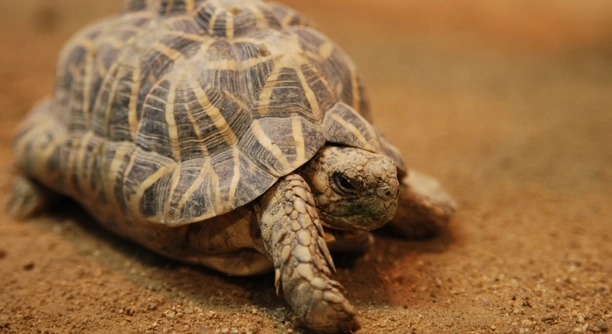
Indian Star Tortoises are known for their unique patterns and gentle nature, making them popular pets. However, like any reptile, they can experience stress, which can negatively affect their health. Knowing the signs of stress is essential for their care.
Recognizing stress in Indian Star Tortoises is crucial for their well-being. Common indicators include changes in behavior, physical appearance, and eating habits. Observing these signs promptly can prevent long-term health issues and improve their quality of life.
Identifying stress early on will help ensure that your tortoise stays healthy and happy.
1. Changes in Eating Habits
Indian Star Tortoises are usually consistent eaters. If they suddenly stop eating or show a lack of interest in food, it could indicate stress. A decrease in appetite can also be linked to changes in their environment, such as improper temperature or lighting. Stress can affect their digestion, making them reluctant to eat. Monitor their feeding patterns closely, as consistent refusal of food could result in nutritional imbalances and further health problems.
If your tortoise isn’t eating regularly, it’s important to investigate their habitat and diet. Look for anything unusual that may be causing them discomfort.
Addressing any changes in their feeding routine early on will help prevent more serious health concerns. Make sure they have the right temperature, humidity, and fresh food options to encourage healthy eating habits.
2. Shell Behavior and Damage
When a tortoise is stressed, it may start scratching or banging its shell against objects. This can lead to visible damage or marks on the shell. Additionally, a stressed tortoise may withdraw into its shell more frequently than usual. The shell serves as a protective barrier, but excessive hiding can indicate fear or discomfort. Any visible scarring should be assessed to ensure there is no underlying injury that could lead to infection.
Tortoises that experience stress may also display behaviors like excessive basking or avoiding their usual activities, like walking or exploring. Keeping an eye on these changes can help you identify if something is wrong.
The appearance and condition of your tortoise’s shell reflect their overall health. Ensure that they’re in a calm environment and have a safe, comfortable space to retreat when needed.
3. Changes in Activity Levels
When stressed, Indian Star Tortoises may become more lethargic or, on the other hand, may become unusually hyperactive. A decrease in movement often signals discomfort or environmental stress. Likewise, an increase in activity might be a sign that the tortoise is trying to escape an uncomfortable situation.
If your tortoise is spending more time hiding or showing signs of restlessness, it’s important to check if their habitat is suited for their needs. Sometimes, simply providing more space or enriching their environment can reduce stress.
Tortoises are naturally active, so it’s important to ensure they have the right amount of space and stimulation. Check for factors like the proper substrate, safe hiding spots, and environmental enrichment. These elements can help them feel secure and reduce anxiety.
4. Excessive Basking or Hiding
Indian Star Tortoises often use basking as a way to regulate their body temperature. However, when stressed, they may bask for extended periods. This could be a sign they’re trying to find a comforting, warm spot to retreat from their discomfort. Alternatively, they may hide more frequently than usual.
A stressed tortoise may become fixated on basking or seek dark corners of their enclosure to withdraw from everything. In some cases, this behavior could be linked to a lack of proper heating or light. Ensure the basking area’s temperature is consistent and that they have access to cooler spots when needed.
Overheating from excessive basking can be harmful. It’s important to maintain a balanced environment with both cool and warm zones in their habitat. Providing options for hiding and safe spaces can also help reduce their stress and give them a sense of security.
5. Behavioral Changes
Stress can cause noticeable changes in your tortoise’s behavior. They may become more aggressive, display fearful reactions, or even withdraw from their usual activities. These signs can be subtle but are often linked to discomfort or insecurity in their environment.
It’s important to observe any unusual behavior patterns, such as excessive hiding or sudden aggression toward other animals. These behaviors can indicate that something is not right, and a change in their living conditions may be needed to make them feel safe.
6. Respiratory Issues
If your tortoise starts showing signs of difficulty breathing, such as wheezing or nasal discharge, stress may be the cause. These issues often stem from poor living conditions, such as incorrect humidity levels, which can lead to respiratory infections or exacerbate stress-related health problems.
Make sure that the enclosure is well-ventilated, and humidity levels are properly regulated. A clean, dry space is essential for their respiratory health, and correcting environmental factors can prevent these issues from becoming serious.
7. Changes in Urine or Feces
Changes in your tortoise’s urine or feces can indicate stress. You might notice more frequent or less frequent urination, or a change in the consistency of their stools. Stress can impact digestion and lead to abnormal waste elimination.
Checking their waste regularly is a good way to monitor overall health. If you notice any irregularities, it could be a sign that your tortoise is stressed, or it could be due to an underlying health problem. Make sure their diet is balanced and their habitat is comfortable to reduce stress-related issues.
FAQ
What are the main causes of stress in Indian Star Tortoises?
Stress in Indian Star Tortoises is often caused by environmental factors. Poor temperature regulation, inadequate humidity levels, improper diet, or a lack of space can all lead to stress. Other factors, such as a lack of hiding places or changes in their routine, can also contribute. Ensuring their habitat is suitable for their needs is crucial to preventing stress. Regular observation of their behavior and health can help identify any issues early on.
How can I reduce stress in my tortoise’s environment?
To reduce stress, focus on providing an environment that mimics their natural habitat. Maintain the correct temperature range, provide both warm and cool areas for them to regulate their body temperature, and ensure the humidity is at the right level. Adding hiding spots and safe spaces where they can retreat is also important. A proper diet with fresh greens and a clean, spacious habitat are key components in reducing stress. Additionally, avoid sudden changes in their environment, as consistency helps them feel secure.
What should I do if my tortoise stops eating?
If your tortoise stops eating, first check the temperature and humidity levels in their enclosure. Stress can make them lose their appetite, so ensuring they have the right conditions is vital. Try offering a variety of fresh food options, such as leafy greens, to entice them. If their eating habits don’t improve or other signs of stress appear, consult a veterinarian to rule out any underlying health problems.
Can a tortoise get stressed from too much handling?
Yes, excessive handling can stress your tortoise, especially if they are not used to it. Tortoises prefer to remain in their habitat and avoid being picked up too frequently. If handling is necessary, be gentle and limit the time spent interacting with them. It’s important to respect their need for privacy and space to feel secure.
How do I know if my tortoise is dehydrated?
Dehydration can cause lethargy, dry or sunken eyes, and a lack of appetite in tortoises. If your tortoise is not drinking water or eating moist food, they may be dehydrated. Ensure they have access to fresh water at all times and consider offering water-soaked vegetables like cucumbers or leafy greens to encourage hydration. If you suspect dehydration, contact a veterinarian for advice.
How often should I clean my tortoise’s enclosure?
Regular cleaning is important to prevent bacterial growth and maintain a healthy environment. Spot clean the enclosure daily by removing uneaten food, waste, and any soiled bedding. A more thorough cleaning, including disinfecting surfaces and changing substrate, should be done every two to four weeks, depending on the size of the enclosure. Keeping their habitat clean helps reduce stress and health risks.
What are the signs that my tortoise is in pain?
Signs of pain in a tortoise can be subtle. They may become more withdrawn, less active, or refuse to eat. You might also notice abnormal behavior, such as excessive hiding or difficulty moving. If your tortoise shows signs of injury, like swelling or limping, or has unusual discharge from the eyes or nose, it’s important to seek veterinary care. Pain can also manifest as a change in their usual posture or the way they carry their shell.
How can I provide mental stimulation for my tortoise?
Tortoises need mental stimulation to stay healthy and happy. You can provide this by offering a variety of substrates, such as leaves or grasses, for them to explore. Hiding food or treats around their enclosure can encourage natural foraging behavior. Providing new items, like rocks or logs, can help keep them curious. A well-enriched environment is key to reducing stress and boredom.
Can stress cause health problems in tortoises?
Yes, prolonged stress can lead to a variety of health issues, including weakened immune systems, digestive problems, and respiratory infections. Stress can also affect their ability to absorb nutrients, leading to malnutrition. If not addressed, stress-related health issues can be serious, so it’s important to ensure your tortoise is comfortable and their environment is properly maintained.
What should I do if my tortoise becomes aggressive?
Aggression in tortoises is often a result of stress or territorial behavior. If your tortoise is showing aggression, try to identify any stressors in their environment, such as overcrowding or sudden changes in habitat. Ensure they have enough space and that their needs are being met. If aggression persists, consider consulting with a veterinarian or reptile behavior expert for guidance.
How long can a tortoise go without food or water?
Tortoises can survive without food for a short period, but they should not go without water for long. Dehydration can cause serious health issues, so make sure your tortoise has access to fresh water at all times. If they go without food for more than a few days, it may indicate a health problem, and a vet visit is recommended.
Final Thoughts
Stress in Indian Star Tortoises can have a significant impact on their well-being if not addressed promptly. Understanding the causes and signs of stress is essential in providing proper care for your tortoise. Environmental factors, like improper temperature, humidity, or space, are some of the most common triggers for stress. It’s also important to consider behavioral changes, dietary habits, and the overall health of your tortoise to determine if they are experiencing stress. Being observant and proactive can help you identify and address issues early, ensuring a better quality of life for your tortoise.
Creating a comfortable and stable environment is key to reducing stress. Ensure your tortoise’s habitat mimics its natural surroundings as closely as possible. This includes maintaining proper temperatures, humidity levels, and providing sufficient space. Providing a variety of food, fresh water, and enrichment activities can also go a long way in promoting their well-being. Avoid sudden changes in their environment, as these can be particularly stressful for your tortoise. With careful attention to their needs, you can help minimize the chances of stress and maintain a healthy, happy tortoise.
While it’s normal for tortoises to experience some level of stress, persistent or severe stress can lead to long-term health problems. If you notice consistent signs of stress or unusual behavior, it’s essential to consult a veterinarian. Regular check-ups can help monitor your tortoise’s health and ensure that their living conditions remain optimal. By being informed and diligent in your care, you can reduce the risk of stress and provide your tortoise with a safe and comfortable environment. This not only supports their physical health but also their mental well-being.

Hello,
If you enjoy the content that we create, please consider saying a "Thank You!" by leaving a tip.
Every little bit helps us continue crafting quality advice that supports the health, happiness, and well-being of pets around the world, for pets of all shapes, sizes, and species.
We really appreciate the kindness and support that you show us!