
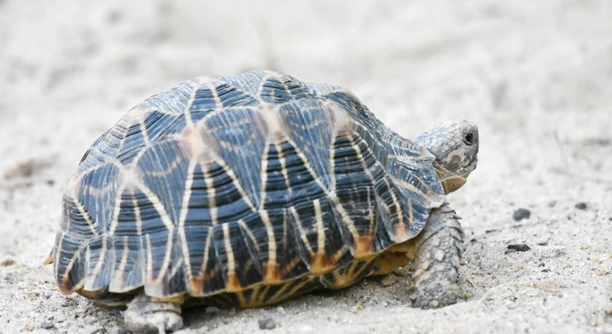
When setting up an outdoor enclosure for your Indian Star Tortoise, it’s important to choose the right plants. The right plants can enhance their environment and provide them with shelter, food, and enrichment.
The best plants for Indian Star Tortoise enclosures are those that are safe, non-toxic, and can withstand outdoor conditions. Consider hardy plants like succulents, grasses, and low-growing shrubs, which offer shelter and encourage foraging behavior.
Adding the right plants creates a healthy, enriching environment that benefits both your tortoise and the plants.
Best Plants for Indian Star Tortoise Enclosures
When selecting plants for your Indian Star Tortoise outdoor enclosure, it’s crucial to focus on both aesthetics and functionality. Native plants that thrive in your local climate provide a natural, low-maintenance environment. These plants not only offer shade and shelter but also encourage your tortoise’s natural behavior, such as foraging and hiding. Grasses, succulents, and hardy shrubs are all excellent options. They are resistant to damage from the tortoises’ activities while creating a visually appealing and functional space. Be sure to choose plants that are non-toxic to your tortoise. Avoid any flowering or aromatic plants, as they could attract harmful insects. Hardy plants are easier to maintain, allowing you to focus on other aspects of the enclosure.
It’s essential to create a balanced environment that combines shelter and food sources. Native grasses and low-growing shrubs provide both.
Plants like Bermuda grass and clover are great additions to enclosures. They thrive under various weather conditions and are safe for tortoises to consume. These plants can help maintain a natural, comfortable habitat while providing tortoises with essential nutrients.
Maintenance and Care of Plants
While selecting the right plants is the first step, maintaining them is just as important. Regular watering, trimming, and ensuring the plants remain intact are essential tasks. Be mindful of the specific needs of each plant to ensure it thrives and provides continuous benefits to your tortoise. Avoid overwatering, as this can cause plant roots to rot and promote the growth of unwanted weeds. If necessary, use mulch to retain moisture and keep the plants healthy. Healthy plants help maintain an appropriate level of humidity and shade within the enclosure.
You can remove any plants that seem to be struggling.
Regular care ensures a long-lasting habitat for your tortoise. It also minimizes the risk of pests or plant diseases, ensuring a healthy environment for both your tortoise and its surroundings. By maintaining a healthy plant life, you will enrich your tortoise’s habitat and promote its well-being.
Plants That Provide Shelter and Shade
Some plants offer excellent shade and shelter for Indian Star Tortoises. These plants protect them from harsh sunlight and create hiding spots where they feel safe. A shaded area is crucial for your tortoise’s health and comfort.
A great choice for this purpose is the Ficus plant. It grows well in warm climates and offers dense foliage. It can act as a barrier against the sun, allowing your tortoise to cool down during hot days. These plants are easy to grow and don’t require a lot of maintenance. Adding them to your enclosure will provide both shade and a natural hiding space, giving your tortoise the option to stay cool and feel secure.
Another option is the Prickly Pear cactus. Although a cactus, it can provide a form of shelter and shade while remaining non-toxic. Ensure the cactus is planted securely, as it will not only offer shelter but can also help prevent soil erosion around the enclosure.
Plants for Foraging and Grazing
Your Indian Star Tortoise thrives on foraging, and incorporating plants they can eat will enrich their experience. Offering a variety of edible plants encourages natural feeding behaviors. It’s also an easy way to give your tortoise the nutrients it needs.
Dandelions and clover are both excellent additions. They grow quickly and are loved by tortoises. They provide fiber and essential vitamins, making them a valuable part of your tortoise’s diet. Dandelions also have medicinal properties and are beneficial for digestion. You can easily grow them in your enclosure by scattering seeds or planting them directly in the soil.
Another good choice is Plantain. This hardy plant thrives in most conditions and offers tortoises high levels of nutrients. It’s a great addition to your tortoise’s diet and will help encourage their natural foraging instincts. Adding these plants will help keep your tortoise healthy and active.
Non-Toxic Plants for Indian Star Tortoises
It’s crucial to choose plants that are safe for your tortoise. Non-toxic plants ensure your tortoise won’t accidentally ingest harmful substances. You can enjoy the plants in your enclosure without worry.
The Spider Plant is a perfect example. It’s non-toxic and grows quickly, providing both aesthetic value and a safe environment. Another great option is the Maranta, or “Prayer Plant.” It’s harmless to your tortoise and adds some color and variety to the enclosure. Both plants are easy to care for, making them a practical choice for tortoise owners.
Succulents in Your Tortoise’s Habitat
Succulents are hardy plants that can survive tough conditions. They require little water and can withstand the occasional nibble from your tortoise. Many types of succulents are safe for tortoises, making them a smart addition.
A great succulent to consider is Aloe Vera. It’s safe for tortoises and provides several health benefits. Aloe Vera’s thick, fleshy leaves store water, making it an excellent choice for hot climates. Additionally, Aloe Vera is easy to maintain and requires minimal care. Another succulent, like the Echeveria, adds beauty and structure to your enclosure, helping maintain a balanced ecosystem.
Plants That Improve Enclosure Aesthetics
Plants do more than just provide shelter and food. They also contribute to the overall aesthetic of the tortoise’s environment. When chosen carefully, plants can create a visually appealing, natural habitat for your tortoise.
Consider adding some low-maintenance flowering plants like Hibiscus. These plants are beautiful and will thrive in warm weather. They’re safe for your tortoise and provide a pop of color. Flowering plants enhance the overall look of your enclosure while benefiting your tortoise by offering more places to hide and explore.
FAQ
What plants are safe for Indian Star Tortoises?
Safe plants for Indian Star Tortoises include non-toxic varieties like dandelions, clover, plantain, Bermuda grass, and succulents such as Aloe Vera. Always research before introducing any new plant to ensure it doesn’t contain harmful chemicals or toxins. A good practice is to avoid plants with strong fragrances or flowers, as these may attract pests.
Can I plant vegetables in the enclosure?
Yes, you can plant vegetables in the enclosure as long as they are safe for tortoises. Common safe vegetables for tortoises include leafy greens like kale, collard greens, and romaine lettuce. Avoid feeding your tortoise too many high-oxalate vegetables like spinach, as they can interfere with calcium absorption. You can also plant edible herbs like basil, parsley, and thyme for variety.
How can I encourage my tortoise to forage?
To encourage foraging, plant a variety of edible plants and scatter food around the enclosure. Tortoises love to search for their food, so adding plants like dandelions, clover, and grasses mimics their natural environment. You can also hide food under leaves or plant material to make foraging more engaging.
What plants should I avoid in my tortoise’s enclosure?
Avoid planting any toxic plants such as oleander, foxglove, and lily of the valley. These plants can cause severe illness if ingested by tortoises. Many common garden plants, like ivy or azaleas, can also be toxic. It’s essential to research each plant’s safety before adding it to the enclosure.
Do I need to remove weeds from the enclosure?
Yes, weeds should be regularly removed. While some weeds might be safe for your tortoise to eat, many can harbor pests or diseases that can harm your tortoise. Weeds can also overcrowd the enclosure and outcompete your planted plants, limiting their growth. Keep the enclosure clean to maintain a healthy environment for your tortoise.
How often should I water the plants in the enclosure?
The watering needs of the plants depend on the climate and the type of plants you have. Most succulents and hardy plants need minimal watering, while tropical plants or flowering plants may require more. Watering should be done regularly but avoid overwatering, as this can cause mold or rot. During dry spells, increase watering to keep the plants healthy.
What kind of soil is best for tortoise enclosures?
A well-draining soil mix is ideal for tortoise enclosures. Choose a sandy or loamy soil that doesn’t retain too much moisture. This prevents root rot and allows the plants to grow healthy while providing a natural substrate for your tortoise to roam. You can mix sand with organic matter like coconut coir to improve soil quality.
Can I add rocks or other hardscape features to the enclosure?
Yes, rocks and other hardscape elements, like logs, can be added to your tortoise’s enclosure. These items help create a more natural environment and provide extra shelter and climbing opportunities. Ensure that the rocks are stable and not too sharp, as they could harm your tortoise. Large flat stones can also serve as basking areas.
How do I maintain the plants in my tortoise’s enclosure?
To maintain the plants, regularly trim any dead leaves and monitor their health for signs of pests or disease. Some plants may need occasional replanting or support to grow properly. Watering should be adjusted according to weather and plant type, ensuring they get the right amount of moisture. Keep an eye out for any plants that seem to be struggling, and replace them if necessary.
Are there any specific plants that help with humidity in the enclosure?
Yes, certain plants like ferns and mosses can help maintain humidity in the enclosure. These plants require regular moisture and, in turn, release moisture into the air, helping regulate the humidity levels. However, ensure that the humidity level does not become too high, as this can create an ideal environment for mold or mildew.
Can I plant flowering plants in the tortoise enclosure?
Flowering plants can be planted, but you must ensure they are safe for your tortoise. Many flowering plants are harmless, but others may attract insects or be toxic. Opt for non-toxic flowering plants like sunflowers, hibiscus, or marigolds. Flowering plants can brighten the enclosure while offering a variety of textures and visual appeal.
How do I prevent pests from damaging my plants?
To prevent pests, regularly inspect the plants for signs of insects or disease. Introduce natural pest control methods, such as beneficial insects or a mild neem oil solution. Make sure the enclosure has proper drainage and avoid overwatering, as damp environments can attract pests. Healthy plants are less likely to suffer from pest infestations, so proper care is essential.
Is it okay to plant grass in the tortoise enclosure?
Yes, grass is an excellent plant for tortoise enclosures. Grasses like Bermuda grass and ryegrass are safe and provide a natural food source. They also offer a more natural habitat for your tortoise, allowing it to forage and graze as it would in the wild. Grasses are easy to grow and maintain and can be seeded directly into the enclosure.
Can I grow vines in my tortoise’s enclosure?
Vines can be a great addition to the tortoise enclosure, as they can provide extra shade and hiding places. However, you must be cautious when choosing vine plants, as some are toxic. Avoid vines like poison ivy or ivy that might not be safe for your tortoise. Select hardy, non-toxic options such as creeping thyme or morning glories, which can add vertical growth and beauty to the enclosure.
Should I place plants in pots or directly in the ground?
Both options work, but planting directly in the ground is often more beneficial for creating a natural environment. It allows the plants to establish deeper roots and encourages a more sustainable habitat. However, planting in pots can be useful for certain plants that require special conditions or for rotating plants in and out of the enclosure.
What’s the best way to introduce plants into a tortoise enclosure?
When introducing new plants, make sure they are well-established and free from pests or disease. Plant them in areas where they won’t be disturbed by your tortoise’s movements but are still accessible for foraging. Avoid planting toxic varieties and ensure the plant is compatible with the enclosure’s overall environment, including the soil type and climate conditions.
Choosing the right plants for an Indian Star Tortoise’s outdoor enclosure is an essential aspect of creating a safe and stimulating environment. Plants provide not only a natural food source but also shelter and enrichment. It’s important to select plants that are non-toxic and suited to the climate in which your tortoise lives. While providing a varied and nutritious diet, these plants can help mimic the tortoise’s natural habitat, enhancing its overall well-being. A thoughtful plant selection ensures your tortoise has access to fresh food while maintaining a balanced ecosystem within its enclosure.
Regular maintenance of both the plants and the enclosure is vital for keeping the environment healthy. This includes removing dead leaves, checking for pests, and monitoring the growth of the plants. You should also pay attention to your tortoise’s behavior to ensure it’s safely foraging and interacting with the plants. Over time, you may need to replace or reposition plants as your tortoise grows or as the enclosure’s conditions change. Proper care for both your tortoise and the plants will create a harmonious outdoor habitat where both can thrive.
When adding plants to the enclosure, it’s crucial to remain cautious and research each plant before introduction. While some plants may seem harmless, many can be toxic if ingested by your tortoise. Choosing native or non-toxic plants ensures a safe foraging environment for your tortoise. Remember to adjust the planting according to the size of the enclosure and the tortoise’s specific needs. Proper plant selection and care are key to providing a thriving, secure, and natural space for your Indian Star Tortoise.

Hello,
If you enjoy the content that we create, please consider saying a "Thank You!" by leaving a tip.
Every little bit helps us continue crafting quality advice that supports the health, happiness, and well-being of pets around the world, for pets of all shapes, sizes, and species.
We really appreciate the kindness and support that you show us!