
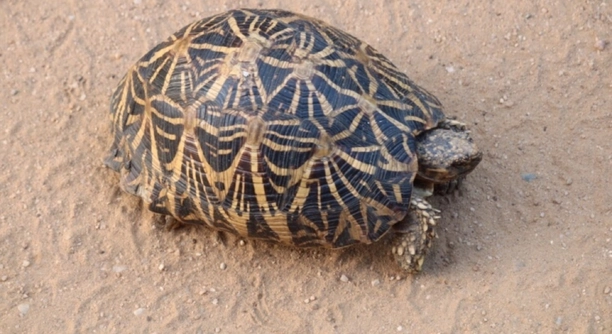
Indian star tortoises are known for their distinct appearance and calm demeanor. As a pet owner, ensuring they receive a balanced diet is essential for their well-being. One of the common questions is about feeding melons to these tortoises.
Indian star tortoises can eat melons in moderation. These fruits offer hydration and nutrients, but should be provided carefully. Melons are high in sugar, which, when overfed, can lead to digestive issues or obesity. Feeding them small portions ensures safety.
Feeding melons correctly is key to keeping your tortoise healthy. Understanding the right portion size and frequency will make all the difference.
Can Melons Be a Healthy Treat for Indian Star Tortoises?
Melons can provide some benefits for Indian star tortoises, including hydration due to their high water content. However, their high sugar levels should not be overlooked. Overfeeding melon can lead to health problems such as obesity or digestive issues. A small, controlled portion of melon is suitable for an occasional treat, but it should not replace more nutritious foods. It’s essential to maintain a balanced diet with leafy greens and other vegetables. If you’re considering adding melon to their diet, ensure it’s in moderation to avoid causing harm.
Melons are not harmful when given in moderation. The key is to ensure portion control.
A proper diet for Indian star tortoises involves a variety of vegetables, with melon being a rare addition. Other fruits like berries or apples may offer similar hydration benefits without the risk of overfeeding sugar. To ensure they are getting the right nutrients, it’s essential to offer foods that align with their natural diet, which mainly includes grasses and leaves. A balanced feeding schedule with proper food variety will keep your tortoise healthy and thriving. When introducing new foods, always observe how they respond, ensuring their digestion remains unaffected.
What are the Risks of Overfeeding Melon to Indian Star Tortoises?
Overfeeding melon can lead to obesity, which is detrimental to your tortoise’s overall health.
Indian star tortoises, like most reptiles, have a slow metabolism. When they consume high-sugar foods, such as melons, their bodies may struggle to process the sugar, leading to weight gain. This excess weight can result in a range of health problems, such as joint issues, slower movement, and a reduced lifespan. The sugar in melons can also disrupt their digestive system, causing diarrhea or bloating.
To prevent these issues, it’s important to limit melon intake to occasional treats. Offer small, bite-sized portions, ensuring they don’t consume too much at once. Additionally, avoid offering melon more than once or twice a week to keep their diet balanced. Focus primarily on high-fiber vegetables and fresh greens for optimal health. Remember, while melons can be a fun treat, moderation is key.
How to Safely Feed Melon to Your Indian Star Tortoise
When feeding melon, remove the seeds and rind to avoid choking hazards. Serve small, manageable pieces, ensuring the portion size is controlled. Overfeeding melon can be harmful, so it’s best to offer it occasionally.
Cut the melon into small cubes or thin slices to make it easier for your tortoise to eat. Always remove any seeds, as these can be tough to digest and could potentially block their digestive system. Offer melon in moderation, no more than once or twice a week. This way, you can prevent overloading their diet with sugar while still providing the hydration melons offer.
Keep an eye on how your tortoise reacts to the melon. If they seem uninterested or their digestion becomes irregular, consider reducing the amount offered. Each tortoise is unique, so their tolerance may vary. Stick to providing fruits as a treat, not as a staple in their daily diet, to maintain their health and well-being.
Other Fruits You Can Safely Offer Your Indian Star Tortoise
If you’re looking for alternatives to melon, there are other fruits that can be fed safely.
Fruits like apples, pears, and berries are suitable for Indian star tortoises. These fruits provide essential nutrients without the excess sugar found in melons. Apples, for example, are high in fiber, which aids in digestion, and can be offered in small slices. Pears have a similar texture and nutrient profile. Both apples and pears should be given without seeds to prevent digestive issues. Berries, such as strawberries and blueberries, are small and easy to serve, making them another good option.
These fruits should be offered sparingly to avoid an imbalance in their diet. Over time, you’ll learn which fruits your tortoise prefers. Stick to a diverse range of vegetables and greens as their primary food source. This will ensure they receive all the nutrients needed for long-term health. Experiment with these fruits while maintaining a steady, balanced diet.
How Often Should You Feed Melon to Your Indian Star Tortoise?
Melon should only be offered once or twice a week, in small amounts. This helps prevent overfeeding and maintains a healthy diet.
Feeding melon more frequently can upset the balance of your tortoise’s diet. Stick to occasional treats, ensuring their main meals consist of leafy greens and vegetables.
The Importance of a Balanced Diet for Indian Star Tortoises
A well-rounded diet is crucial for the health of Indian star tortoises. Offering a variety of vegetables, grasses, and some fruits provides the essential nutrients they need.
Leafy greens like collard greens, dandelion greens, and mustard greens should form the bulk of their diet. These are rich in fiber, vitamins, and minerals that support healthy digestion. In addition, grasses such as timothy hay offer variety and promote proper shell growth. Fruit, such as melon, should only be a small part of their diet and offered sparingly to avoid excess sugar intake.
By maintaining a balance between vegetables, fruits, and hay, you can ensure your tortoise gets the right nutrients to thrive.
Hydration and Its Role in Your Tortoise’s Health
Melons provide a great source of hydration, especially in hot weather.
Hydration is essential to support the proper functioning of your tortoise’s body. While melon can provide water, fresh water should always be available. It’s important to monitor their water intake, as dehydration can cause a range of health problems.
FAQ
Can Indian star tortoises eat watermelon?
Yes, Indian star tortoises can eat watermelon, but only in moderation. Watermelon is a hydrating fruit that can offer a nice treat. However, it should be fed occasionally and in small amounts due to its high sugar content. Remove the seeds and rind before offering it to your tortoise. Too much watermelon can lead to digestive issues or weight gain, so be sure to balance it with other foods like leafy greens and hay.
Is melon safe for baby Indian star tortoises?
For baby tortoises, melon should be offered with even more caution. Baby tortoises have smaller digestive systems, so it’s important not to overfeed them with sugary fruits like melon. The high sugar content can cause problems with their delicate digestive system, potentially leading to diarrhea or bloating. Offering melon as an occasional treat, no more than once every two weeks, is safest. Stick primarily to high-fiber, low-sugar vegetables to ensure they are getting the nutrition they need for proper growth.
What fruits should be avoided for Indian star tortoises?
While some fruits are suitable for tortoises, others should be avoided due to their high sugar levels or toxic properties. Citrus fruits like oranges, lemons, and grapefruits should be avoided because the acidity can upset their stomachs and cause digestive issues. Grapes and raisins are also high in sugar, which can lead to obesity and other health problems. Avoid feeding your tortoise avocado, as it contains persin, a substance toxic to many animals, including tortoises.
Can Indian star tortoises eat fruit every day?
Fruit should never be a daily food for Indian star tortoises. It should be given as an occasional treat, no more than once or twice a week. The majority of their diet should come from leafy greens, grasses, and other vegetables, which are high in fiber and low in sugar. Overfeeding fruit can lead to obesity and digestive problems, which can affect your tortoise’s health in the long run. Stick to a well-rounded diet that meets their nutritional needs.
How can I tell if my Indian star tortoise is overfed with melon?
If your tortoise is overfed with melon, you may notice changes in their behavior and health. Overeating melon can lead to weight gain and lethargy, as excess sugar slows down their metabolism. You might also notice diarrhea or softer stools, which indicate digestive issues. If your tortoise starts showing signs of weight gain or unhealthy digestion, it’s important to cut back on the fruit and focus on their main diet of greens and vegetables. Regularly monitor their weight and overall health.
Are there any benefits to feeding melon to my Indian star tortoise?
Melon can be a beneficial treat when fed in moderation. It provides hydration, especially during hot weather when your tortoise may need extra moisture. Melon is also a good source of vitamins A and C, which help support your tortoise’s immune system and general health. However, it should always be offered sparingly to avoid the risk of obesity and digestive upset. Always ensure that the majority of your tortoise’s diet is made up of healthy, fiber-rich vegetables.
Can I feed my Indian star tortoise other types of melon?
Yes, other types of melon, such as cantaloupe and honeydew, can also be fed to Indian star tortoises. Like watermelon, these melons should only be offered in moderation due to their high sugar content. Make sure to remove the seeds and rind before feeding them to your tortoise. Cantaloupe and honeydew offer hydration and nutrients but should not replace other, more nutritious foods in your tortoise’s diet.
Can melon help with my tortoise’s hydration needs?
Melon can help hydrate your tortoise, especially in warm weather when hydration is crucial. Since melons are made up of around 90% water, they can offer a good water source. However, they should not be relied on as the primary source of hydration. Always provide fresh, clean water for your tortoise to drink daily. Melon can be a supplemental source of water but should never replace their main water supply.
Can I feed my Indian star tortoise melon skin?
It’s best not to feed your tortoise the melon skin. The rind can be difficult for your tortoise to digest, and while not toxic, it can cause digestive discomfort. Always remove the rind and seeds before offering melon to your tortoise. Only feed them the flesh of the fruit, cut into small, manageable pieces.
Is melon safe for all types of tortoises?
Melon is safe for most tortoise species, but the feeding guidelines vary depending on the species. For Indian star tortoises, melon can be offered in moderation. For other species, such as sulcata or Russian tortoises, melon should also be treated as an occasional treat. It’s essential to research the specific dietary needs of each species to ensure you’re offering appropriate foods.
How do I introduce melon to my Indian star tortoise’s diet?
To introduce melon to your tortoise, start by offering small amounts. Begin with a tiny slice or cube, and observe how your tortoise responds. Monitor their digestion closely to make sure they aren’t experiencing any adverse effects. If they enjoy the melon and tolerate it well, you can continue offering it occasionally. However, be sure not to overfeed, and always keep a balanced diet as their primary source of nutrition.
Final Thoughts
Indian star tortoises can safely eat melon as an occasional treat, but moderation is key. While melons provide hydration and some beneficial nutrients, they should not make up a large portion of their diet. Excessive fruit, especially melons, can lead to weight gain, digestive problems, and other health issues. It’s essential to ensure their primary diet consists of high-fiber vegetables, grasses, and leafy greens, which are more suited to their nutritional needs. By balancing the types of foods offered, you can support your tortoise’s health and well-being over time.
When offering melon, it’s important to remove the seeds and rind. Seeds can pose a choking hazard, while the rind is difficult for tortoises to digest. Instead, cut the melon into small, manageable pieces to ensure your tortoise can enjoy the fruit safely. Watermelon, cantaloupe, and honeydew are all safe options, but the same general guidelines apply: feed them in small amounts and sparingly. Keep in mind that while melon can be a fun and hydrating treat, it should never replace the essential, daily nutrition your tortoise requires from leafy greens and other vegetables.
Overall, offering melon to your Indian star tortoise can be a healthy and refreshing treat as long as it’s given in the right amounts. Hydration is just as important as a balanced diet, and melon can play a role in providing that. However, moderation is essential for keeping your tortoise in optimal health. Be mindful of how often and how much melon you offer, ensuring it complements a well-rounded diet rich in fiber and essential nutrients.

Hello,
If you enjoy the content that we create, please consider saying a "Thank You!" by leaving a tip.
Every little bit helps us continue crafting quality advice that supports the health, happiness, and well-being of pets around the world, for pets of all shapes, sizes, and species.
We really appreciate the kindness and support that you show us!