
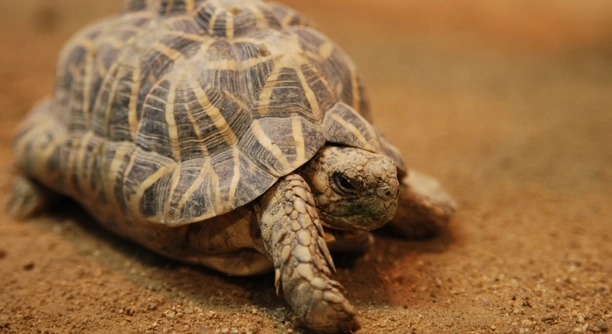
Indian Star Tortoises are known for their unique behaviors, which may include an apparent desire to escape their enclosure. This can raise concerns for owners, as understanding their needs is key to providing a safe, comfortable environment.
The main reason for an Indian Star Tortoise attempting to escape is usually an unmet environmental need. Common causes include inadequate space, insufficient temperature or humidity, or a lack of stimulation, which can make them restless and seek an exit.
Ensuring proper care and understanding their behavior can help you create a more enriching habitat, keeping your tortoise content.
Understanding the Need for Space
Indian Star Tortoises are naturally active and enjoy roaming in large areas. If their enclosure is too small, they may feel restricted, which could lead to escape attempts. Providing adequate space for your tortoise to roam freely is essential for their physical and mental health. Ideally, a large, secure outdoor pen or an indoor enclosure that mimics their natural environment is best.
Lack of space can lead to frustration. Tortoises need enough room to explore, bask, and dig to maintain their well-being.
In the wild, tortoises are accustomed to covering large areas in search of food and shelter. When these instincts are not met, they may attempt to escape in search of a more fulfilling environment. It’s important to make sure your tortoise has enough room to behave naturally, helping them avoid stress and health issues. You should also monitor for any areas in the enclosure where they might squeeze through or dig under to escape. By addressing their spatial needs, you can prevent these escape attempts.
Temperature and Humidity Factors
Indian Star Tortoises need a warm environment to thrive.
If the temperature or humidity is off, they may seek a more suitable climate. An enclosure that doesn’t maintain proper warmth can lead them to search for conditions more like their natural habitat.
Providing Enrichment
Lack of mental stimulation can lead to boredom, making tortoises more likely to escape.
Indian Star Tortoises are curious animals and need various activities to keep their minds engaged. Items like rocks, logs, or plants can be placed in their enclosure to encourage exploration. This helps mimic their natural habitat, providing them with challenges that stimulate their minds. You can also rotate toys or create different areas within the enclosure, such as hiding places or areas for basking. Regularly changing their environment can keep them active and prevent escape behavior.
Tortoises are intelligent, and their behavior reflects their need for environmental enrichment. Without it, they may become restless and look for ways out. Engaging your tortoise with new textures and objects allows them to exercise their natural instincts and behaviors. Simply put, a little creativity in their enclosure can make a big difference in their overall happiness and well-being. When provided with enough mental and physical stimulation, your tortoise will be less likely to attempt an escape.
The Role of Diet
Proper nutrition is essential for a tortoise’s overall health.
A poorly balanced diet can lead to discomfort, causing your tortoise to seek out a better environment. A lack of essential nutrients may result in a lack of energy or motivation to stay in their enclosure. Providing a diet rich in fiber, vegetables, and appropriate amounts of calcium will not only support their health but also reduce restless behavior. It’s important to feed them a variety of foods to ensure they stay satisfied.
Temperature Regulation
If the temperature inside the enclosure is not ideal, your tortoise may feel uncomfortable and try to escape.
Indian Star Tortoises need a basking area of around 95°F and cooler areas for resting. Temperature fluctuations can stress them out, making them restless. Using a reliable thermometer to monitor the environment is crucial for maintaining a stable and comfortable habitat.
Humidity Levels
Humidity plays an important role in your tortoise’s health.
Too much or too little humidity can lead to dehydration or skin issues. It’s essential to maintain humidity levels around 50-70%. A misting system or shallow water bowl can help regulate moisture in the air, keeping your tortoise comfortable.
FAQ
Why does my Indian Star Tortoise keep trying to escape?
An Indian Star Tortoise may attempt to escape due to several factors. The most common reasons include an enclosure that is too small, improper temperature, lack of humidity, or insufficient mental stimulation. These factors can cause stress or discomfort, prompting the tortoise to search for a more suitable environment. Ensuring your tortoise has enough space, a proper climate, and enrichment will help reduce escape attempts.
How much space does my Indian Star Tortoise need?
Indian Star Tortoises require ample space to move around. A minimum of 4×8 feet is ideal for a single adult. A larger area allows them to explore, bask, and exhibit natural behaviors. A cramped enclosure can lead to frustration, contributing to escape attempts.
What temperature should I keep my Indian Star Tortoise’s enclosure at?
The enclosure should have a warm side with a basking area of 90-95°F and a cooler side around 75-80°F. These temperature ranges help your tortoise regulate its body heat. Use a reliable thermometer to monitor the temperature and make adjustments if necessary.
How do I maintain the proper humidity levels for my tortoise?
To maintain appropriate humidity (50-70%), you can mist the enclosure or provide a shallow water bowl. Adding a humidifier can also help, especially in dry climates. Monitoring humidity regularly ensures your tortoise remains hydrated, which is important for its overall health.
What should I feed my Indian Star Tortoise?
Indian Star Tortoises are herbivores and should be fed a diet high in fiber. Their diet should consist of leafy greens, flowers, and grasses. You can also provide vegetables like squash or carrots occasionally. Avoid feeding them high-protein or high-fat foods. Calcium supplements are important to prevent shell deformities.
Can my Indian Star Tortoise be housed with other animals?
It’s not recommended to house multiple tortoises together unless their enclosure is large enough. Tortoises are territorial, and overcrowding can lead to aggression or stress. Additionally, housing them with other species can pose risks for both the tortoises and the other animals, especially if the other species have different environmental needs.
Why does my Indian Star Tortoise dig a lot?
Digging is a natural behavior for tortoises. They dig to create burrows for shelter, to cool off, or to find food. In captivity, they may dig in search of a comfortable temperature or just to engage in natural behaviors. Providing enough space and environmental enrichment can reduce excessive digging.
How can I make my tortoise’s enclosure more interesting?
To make the enclosure more engaging, add rocks, logs, plants, and hiding spots. These items mimic their natural habitat and encourage exploration. Changing up the layout every few weeks keeps the environment stimulating. Providing different textures and surfaces will also encourage natural behaviors, reducing the likelihood of escape attempts.
How often should I clean my tortoise’s enclosure?
Cleaning the enclosure regularly is important to prevent the buildup of waste, mold, and bacteria. It’s recommended to clean the enclosure once a week, or more often if necessary. Spot cleaning daily can also help maintain cleanliness. Always ensure the enclosure is dry before returning the tortoise.
What kind of lighting does my tortoise need?
UVB lighting is crucial for Indian Star Tortoises to process calcium and maintain healthy shells. You should provide UVB light for 12-14 hours a day. Ensure the light is positioned correctly and replaced regularly, as UVB output decreases over time. Proper lighting is as important as the temperature in your tortoise’s habitat.
How can I tell if my tortoise is stressed?
Signs of stress in tortoises include changes in eating habits, excessive digging, lethargy, or escape attempts. Stress can be caused by overcrowding, poor temperature or humidity, or lack of enrichment. If you notice these behaviors, check the environment and make necessary adjustments to improve your tortoise’s living conditions.
Can I let my tortoise roam outside?
Yes, but only if the outdoor environment is safe. Make sure the area is secure and free from predators. The outdoor space should have a shaded area for your tortoise to rest and plenty of space to roam. Always supervise your tortoise while outside to prevent escapes.
Why does my tortoise hide in its shell?
Hiding in the shell is a natural defense mechanism. Tortoises may retreat into their shells when they feel threatened or stressed. It’s important to assess their environment and determine if any factors are causing them to feel unsafe. Giving them a quiet, secure area can help reduce this behavior.
What do I do if my tortoise stops eating?
If your tortoise stops eating, it could be a sign of stress, illness, or environmental issues. Check the temperature, humidity, and lighting to ensure they are correct. If the problem persists, a visit to the vet may be necessary to rule out any health concerns.
Final Thoughts
Understanding why your Indian Star Tortoise tries to escape is crucial for creating a comfortable and secure environment. By addressing common factors such as temperature, humidity, space, and enrichment, you can significantly reduce the chances of escape attempts. These tortoises are naturally curious and need an environment that mimics their wild habitat. Providing a proper setup allows them to stay happy, healthy, and less likely to seek out new surroundings.
Regularly monitoring the conditions of their habitat, such as checking the temperature, humidity levels, and the size of the enclosure, will help you catch any issues early. Tortoises thrive in stable environments, so any drastic changes in their living space can cause unnecessary stress. Making adjustments to the setup, offering variety in their diet, and ensuring they have enough room to explore are all simple yet effective ways to prevent escape behavior. Over time, you’ll learn what works best for your tortoise, and this will help reduce the likelihood of unwanted escape attempts.
It’s important to remember that tortoises, like any pet, require attention and care. While it can be frustrating to deal with escape attempts, these behaviors often point to underlying issues in their environment. Taking the time to properly care for your Indian Star Tortoise will lead to a happier and healthier pet, and a more enjoyable experience for both of you. A few small changes to their living conditions can go a long way in ensuring their well-being and preventing the need for them to escape.

Hello,
If you enjoy the content that we create, please consider saying a "Thank You!" by leaving a tip.
Every little bit helps us continue crafting quality advice that supports the health, happiness, and well-being of pets around the world, for pets of all shapes, sizes, and species.
We really appreciate the kindness and support that you show us!