
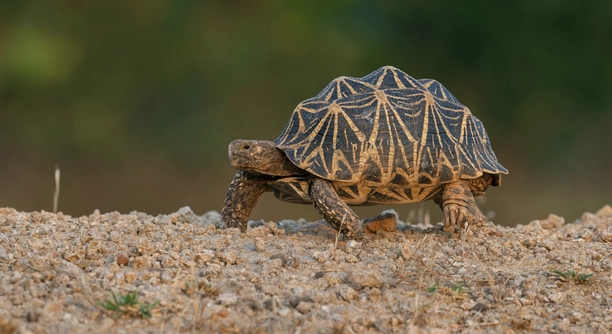
Indian star tortoises are often kept as pets and are known for their unique appearance and gentle nature. Many tortoise owners wonder what foods are safe to feed them, especially fruits like grapes.
Indian Star Tortoises can eat grapes in moderation. However, grapes should not be a regular part of their diet, as they can cause digestive issues due to their high sugar content. It’s best to offer them only occasionally.
It is important to understand the risks and benefits of feeding grapes to your tortoise. In this article, we will explore safe feeding practices and help you keep your tortoise healthy and happy.
Can Indian Star Tortoises Eat Grapes?
Grapes are sweet and nutritious for humans, but not all foods are suitable for your Indian star tortoise. They may be tempted by the juicy fruit, but feeding them grapes comes with some important considerations. These tortoises have specific dietary needs, and while fruits can provide vitamins and hydration, they also pose potential risks when fed in large amounts. The high sugar content in grapes can lead to digestive problems, causing your tortoise to experience discomfort or even health issues.
Grapes should only be given occasionally, and only in small amounts. Feeding too many grapes can disrupt the delicate balance of their diet. As a result, offering other fruits with lower sugar content is often a better option.
An ideal diet for Indian star tortoises primarily consists of dark leafy greens, grasses, and occasional vegetables. It’s essential to maintain a healthy balance of calcium and fiber to avoid shell deformities or other health concerns. By offering a wide range of safe, nutritious foods, you help your tortoise stay active and healthy without overloading their system with sugar.
What are the Risks of Feeding Grapes to Indian Star Tortoises?
It’s essential to remember that grapes are high in sugar, which can harm your tortoise over time. Their digestive system is not built to handle sugary foods in large quantities.
Excessive sugar intake can lead to obesity and digestive problems, especially if grapes are offered frequently. It can disrupt the absorption of essential nutrients, and may cause diarrhea or bloating. Always keep the risks in mind when considering whether to offer grapes to your tortoise. By sticking to a varied, balanced diet, your pet’s digestive health will improve.
Healthier Alternatives to Grapes for Indian Star Tortoises
Instead of grapes, there are several fruits and vegetables that are safer and more suitable for your tortoise. These alternatives provide hydration and essential nutrients while avoiding the negative effects of sugar.
Leafy greens like kale, dandelion greens, and collard greens are excellent choices. They offer necessary vitamins and minerals for healthy shell growth. Other safe options include squash, bell peppers, and carrots. You can also try offering berries like strawberries or blackberries in small quantities, as they have a lower sugar content than grapes.
It’s important to introduce a variety of foods into your tortoise’s diet to keep them healthy and avoid nutritional deficiencies. Leafy greens should form the majority of their diet, with occasional fruits or vegetables given in moderation. Ensure that all food is washed thoroughly to remove pesticides, and always serve them fresh. A balanced diet will support strong bones, healthy growth, and overall well-being.
How Often Should You Feed Grapes to Indian Star Tortoises?
If you choose to feed grapes, it’s best to do so rarely. Grapes should not be part of their regular diet, as overfeeding can cause health issues. A small piece once or twice a month will suffice.
When you do feed grapes, ensure they are cut into small pieces to prevent choking. Removing the skin and seeds is a good idea to further reduce any potential risks. It’s always better to err on the side of caution and stick to fruits and vegetables that are more suitable for your tortoise’s needs.
Signs of Overfeeding Grapes to Indian Star Tortoises
Overfeeding grapes can lead to noticeable changes in your tortoise’s behavior and health. If you notice lethargy, diarrhea, or a lack of interest in eating their usual foods, it may be due to an overload of sugar.
Excessive grapes can upset their digestive system. Watch for signs of bloating or soft, runny stools. These are indicators that your tortoise has had too much sugar, which can affect their overall health.
If these symptoms persist, it’s best to stop feeding grapes and consult with a vet for guidance on restoring balance to their diet.
Hydration Needs for Indian Star Tortoises
Hydration is just as important as nutrition for your tortoise. They need access to clean, fresh water at all times to stay healthy.
Dehydration can lead to lethargy, dry skin, and difficulty shedding. Keep a shallow water dish accessible, and ensure that it’s cleaned daily to prevent bacterial growth. While some fruits like watermelon can help hydrate, water should always be their primary source of moisture.
Feeding Routine for Indian Star Tortoises
Establish a feeding routine that includes a variety of safe foods. Regular meals with balanced vegetables and occasional fruits help keep your tortoise happy and healthy.
Too many fruits, including grapes, can unbalance their diet. Stick to a steady schedule of leafy greens, and ensure they get plenty of fiber to support digestion.
FAQ
Can Indian Star Tortoises eat grapes every day?
No, Indian Star Tortoises should not eat grapes daily. Grapes are high in sugar, which can disrupt their digestive system if consumed too often. Giving grapes occasionally, in small amounts, is much safer. A healthy diet for your tortoise should focus on leafy greens and low-sugar fruits and vegetables. Too much fruit can lead to health problems like obesity and digestive issues.
What other fruits are safe for Indian Star Tortoises?
Some fruits are safe for your tortoise in moderation. Strawberries, raspberries, and blackberries are better options than grapes because they have lower sugar content. Other fruits like apples, pears, and melon can also be fed occasionally. Always remove seeds and cut them into small pieces to reduce the risk of choking.
How can I tell if my tortoise is eating too much sugar?
If your tortoise eats too much sugar, you might notice changes in their behavior or health. They may become sluggish, lose interest in their usual foods, or show signs of diarrhea. Excessive sugar intake can lead to digestive upset, so it’s important to pay attention to these changes. If any symptoms persist, consider reducing fruit and consulting a vet.
Can Indian Star Tortoises eat vegetables?
Yes, vegetables should be a regular part of an Indian Star Tortoise’s diet. Dark, leafy greens like kale, dandelion greens, and collard greens are excellent choices. Vegetables like squash, bell peppers, and carrots can also be offered in moderation. These foods are rich in essential nutrients like calcium and fiber, which are important for bone health and overall well-being. Avoid vegetables like lettuce, which offer little nutritional value.
Are there any fruits or vegetables to avoid feeding my tortoise?
Yes, there are some fruits and vegetables that should be avoided. Avoid feeding your tortoise avocado, as it contains a toxin called persin, which can be harmful. Similarly, citrus fruits like oranges and lemons should be avoided due to their acidity. High-oxalate vegetables like spinach should also be limited, as they can interfere with calcium absorption.
How do I know if my tortoise is getting enough water?
Your tortoise should have access to clean water at all times. If they are drinking regularly, that’s a good sign. However, sometimes they may not drink enough, which could lead to dehydration. Look for signs like dry, flaky skin, or lethargy. To encourage hydration, you can soak your tortoise in lukewarm water for about 15-20 minutes once a week. Keep their water bowl clean and shallow, and change the water daily.
How often should I feed my Indian Star Tortoise?
Indian Star Tortoises typically need to be fed every day or every other day. Their meals should mainly consist of dark leafy greens and grasses, with vegetables and occasional fruits added for variety. You should adjust the portion sizes based on your tortoise’s age and size, as younger tortoises may need more food than adults. Monitoring their weight and health will help determine if their feeding schedule needs adjustment.
Can I feed my tortoise commercial food?
While some commercial food options are designed for tortoises, it’s best to use them sparingly. These foods can lack the variety and natural nutrients that tortoises get from fresh vegetables, fruits, and grasses. If you do use commercial food, ensure it is specifically formulated for tortoises and avoid brands that include high amounts of fillers or artificial additives.
How do I ensure my tortoise gets enough calcium?
Calcium is crucial for your tortoise’s health, especially for shell and bone development. To ensure they get enough, offer calcium-rich foods like collard greens, turnip greens, and clover. You can also sprinkle a calcium supplement on their food once or twice a week. Make sure the supplement is formulated specifically for reptiles, as this will provide the proper balance of calcium and vitamin D3.
Can my tortoise eat flowers?
Yes, many flowers are safe for tortoises to eat, including dandelions, hibiscus, and clover flowers. Always make sure the flowers have not been treated with pesticides or chemicals before offering them to your tortoise. Flowers can add variety to their diet and provide additional nutrients and hydration. However, not all flowers are safe, so make sure to research any new flowers before feeding them.
Should I worry about my tortoise’s weight?
Tortoises can become overweight if they are fed too much fruit or high-fat foods. Obesity can lead to serious health problems, including shell deformities and difficulty moving. It’s important to monitor their weight and ensure they are eating a balanced diet. If you notice that your tortoise is gaining too much weight, reduce the amount of fruit and increase the intake of leafy greens and other low-calorie foods.
Is it okay to feed my tortoise the same food every day?
Feeding your tortoise the same food every day is not ideal. Variety is important to ensure they get all the essential nutrients. While leafy greens should be a staple, try to offer different vegetables, grasses, and occasional fruits. Rotating the foods you offer will help maintain a balanced diet and prevent nutritional deficiencies.
Can Indian Star Tortoises eat grass?
Yes, grasses are an essential part of an Indian Star Tortoise’s diet. In the wild, they graze on various types of grass, which provides them with necessary fiber. You can offer grasses like Bermuda grass, timothy hay, or even untreated lawn grass. Ensure that the grass has not been treated with pesticides or fertilizers. Grasses are vital for digestion and overall health.
What should I do if my tortoise refuses to eat?
If your tortoise refuses to eat, it could be a sign of stress, illness, or a dietary imbalance. First, check that the environment is suitable, with proper temperature and humidity levels. If everything seems fine but your tortoise still refuses to eat, try offering a different variety of food or soak the food in water to increase moisture content. If the refusal to eat continues, it’s best to consult with a vet.
Final Thoughts
When it comes to feeding your Indian Star Tortoise, it’s important to keep their diet balanced and varied. While grapes might seem like a fun treat, they should only be offered in moderation due to their high sugar content. Too many grapes can cause digestive issues and other health problems for your tortoise. It’s always best to prioritize foods that are specifically suited for their digestive system, like leafy greens and low-sugar fruits. A healthy diet is key to ensuring your tortoise remains active, happy, and healthy for years to come.
While feeding your tortoise a variety of foods, you should always be mindful of the risks associated with certain fruits and vegetables. Foods like avocado, citrus fruits, and high-oxalate vegetables should be avoided, as they can cause harm to your tortoise in the long run. It’s also important to remember that some commercial foods can lack essential nutrients and may contain harmful additives. Fresh, whole foods are generally the best choice, providing a mix of vitamins, minerals, and fiber that your tortoise needs for proper growth and maintenance.
In conclusion, feeding your Indian Star Tortoise can be a rewarding experience as long as you understand their nutritional needs. Offering them a variety of safe, fresh foods while avoiding the risks of high-sugar fruits like grapes will help maintain their well-being. By being mindful of what you feed them and sticking to a healthy routine, you can ensure your tortoise lives a long and happy life. Regularly monitoring their weight and health, along with providing plenty of clean water, will contribute to their overall happiness and vitality.

Hello,
If you enjoy the content that we create, please consider saying a "Thank You!" by leaving a tip.
Every little bit helps us continue crafting quality advice that supports the health, happiness, and well-being of pets around the world, for pets of all shapes, sizes, and species.
We really appreciate the kindness and support that you show us!