
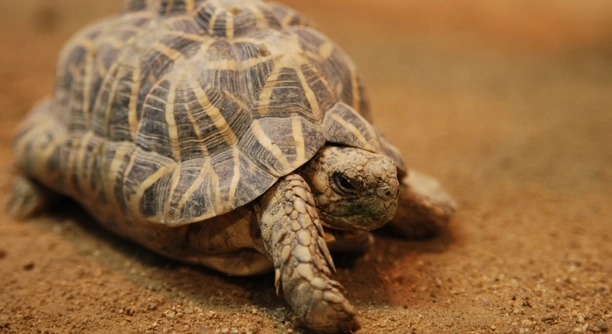
Handling Indian Star Tortoises requires careful attention to their needs. They are gentle creatures but can get stressed if mishandled. Knowing how to interact with them properly ensures their well-being and keeps them calm.
To safely handle Indian Star Tortoises, avoid picking them up too often or too high off the ground. Always support their body fully, using both hands, and allow them to feel secure. Stress-free handling is essential for their health.
Learning the best ways to handle them will make interactions smoother and prevent unnecessary stress. Let’s explore simple methods for keeping them safe and content during handling.
1. Understand Their Natural Behavior
Indian Star Tortoises are calm and reserved, but they can become easily stressed by sudden movements or improper handling. They are not the most social of reptiles, so you should never force interaction. Always observe their behavior closely before picking them up. These tortoises will often signal when they’re comfortable or not by withdrawing into their shell or moving away. Understanding their body language is key to knowing when they feel safe and when they’re in distress. The goal is to create a peaceful environment where the tortoise feels at ease, not overwhelmed.
If they pull their head into their shell or seem agitated, it’s best to avoid touching them at that moment. When they’re relaxed, they may crawl around, showing curiosity.
By recognizing the signs of stress and respecting their boundaries, you help prevent unnecessary anxiety. With patience and care, handling becomes a more positive experience for both you and your tortoise.
2. Provide Proper Support When Lifting
When picking up your tortoise, it’s essential to support its body properly to avoid causing discomfort. Hold the tortoise with both hands, one under the body and the other under the shell. Never lift by the legs or tail.
This support is important to avoid injury, as tortoises have delicate spines that can be harmed by improper lifting. Make sure to keep them close to your body for added security and comfort. Never hold them too high, as this can also cause stress. Gently lift and avoid sudden movements that may make them feel unsafe.
Tortoises are sensitive creatures and thrive when they feel stable. By learning the proper way to lift and carry them, you help minimize stress, ensuring your tortoise remains calm and healthy. This approach promotes a trusting relationship between you and your pet.
3. Minimize Stressful Situations
Tortoises are easily stressed by loud noises or sudden movements. Keeping their environment quiet and calm will help them stay relaxed. Avoiding overcrowded areas or high-traffic spaces is also essential for their comfort.
When handling them, try to keep your movements slow and deliberate. The more abrupt you are, the more likely it is that the tortoise will become anxious. Stress can lead to health issues over time, so always try to reduce any environmental factors that could upset them. It’s best to handle them during calm, quiet times of the day when they’re naturally less active.
A consistent routine also helps in minimizing stress. Tortoises thrive on predictability, so try to keep their handling times, habitat changes, and feeding schedules regular. This reduces the chances of them getting overwhelmed by unexpected events.
4. Avoid Overhandling
Overhandling is one of the biggest causes of stress for tortoises. While it’s tempting to interact with them frequently, they need their space. Constant handling can cause them to withdraw and become defensive.
You should aim to handle them no more than once or twice a week. Tortoises, by nature, prefer a peaceful environment and too much attention may make them feel trapped or threatened. Giving them time to roam in a safe space without interference is vital for their well-being.
When you do handle them, make it short and gentle. Gradually increase your contact time as they get more comfortable with you. Let them explore their surroundings at their own pace when they are not being held.
5. Keep the Habitat Secure
A secure habitat helps your tortoise feel safe and less stressed. Make sure their enclosure has plenty of space and is free from any potential hazards. This gives them a place to retreat if they feel overwhelmed.
Always ensure that the habitat’s temperature, humidity, and lighting are appropriate. A safe environment promotes a healthy, low-stress life for your tortoise. When handling them, ensure the space is calm and secure, so they feel no threat to their well-being. A safe space reduces anxiety and allows them to act naturally.
6. Use Positive Reinforcement
Positive reinforcement encourages calm behavior during handling. Reward your tortoise with a small treat after each calm interaction, helping them associate handling with something enjoyable.
This creates a bond built on trust and will make future interactions easier. Over time, your tortoise will learn that handling doesn’t always mean stress. By rewarding good behavior, you help them feel more comfortable around you.
FAQ
How often should I handle my Indian Star Tortoise?
It’s best to handle your Indian Star Tortoise no more than once or twice a week. Overhandling can stress them out, so keeping interactions short and purposeful will help them stay comfortable. If you need to move them, make sure it’s necessary and avoid frequent pickups. Allow your tortoise time to explore and enjoy their habitat without interruption. Handling should never replace their need for personal space, which is essential for their well-being.
What are the signs that my tortoise is stressed?
Stress in a tortoise can be seen through behaviors like hiding in their shell, not eating, or moving away from you when you try to approach. If the tortoise is acting restless or seems withdrawn, these are key signs of discomfort. They might also show aggression if they feel threatened. To minimize stress, it’s essential to respect their need for quiet, calm surroundings. Pay close attention to their body language so you can intervene before stress becomes a bigger issue.
Can I let my Indian Star Tortoise roam outside?
Yes, but only in a secure, enclosed area. If you decide to let your tortoise roam outside, make sure the space is free from predators, and that it is safe from potential escapes. Be mindful of weather conditions too, as Indian Star Tortoises are sensitive to extreme temperatures. They should never be exposed to direct sunlight for long periods without access to shade. Make sure they have plenty of space to move around without feeling cornered.
Should I bathe my tortoise?
Bathing can be beneficial for your Indian Star Tortoise, as it helps with hydration and digestion. A gentle soak in warm water a few times a week, especially if they are not drinking enough, is recommended. Make sure the water is shallow enough that they can comfortably stand or sit in it. Never force them into the water, as this can cause stress. Always supervise their bath and let them leave whenever they wish.
Is it okay to let my tortoise roam indoors?
Indoor roaming is fine as long as your tortoise has a safe space. Ensure there are no dangers like electrical cords or sharp objects that could harm them. Use a playpen or a similar area to prevent them from wandering into unsafe spots. You can let them explore, but always monitor them closely. If you’re unsure, it’s better to let them stay in their designated habitat for their own safety.
How do I know if my tortoise is healthy?
Healthy Indian Star Tortoises have clear, bright eyes, a clean and unblemished shell, and should be actively eating. They should also be alert and responsive. If you notice them becoming lethargic, losing their appetite, or having cloudy eyes, it may indicate an underlying health issue. Regular check-ups with a vet who specializes in reptiles can help ensure your tortoise remains in good condition. Keep an eye on their behavior and shell condition, as these are clear indicators of their health.
What should I feed my Indian Star Tortoise?
Indian Star Tortoises are herbivores, so their diet should mainly consist of leafy greens like dandelion greens, collard greens, and romaine lettuce. You can also provide other vegetables like carrots and squash, along with high-fiber plants such as grasses and flowers. Avoid feeding them high-protein foods like meat, as this can cause health problems. Always provide clean, fresh water to help with digestion and hydration. Variety in their diet is key to ensuring they get all the necessary nutrients.
Can I keep more than one tortoise together?
Indian Star Tortoises can be kept together, but it’s important to provide enough space for each individual. Aggression can occur if they feel overcrowded or if one tortoise feels threatened. Ideally, each tortoise should have its own space, and you should monitor their interactions to prevent fighting. If you notice any aggressive behavior, it’s best to separate them. It’s also a good idea to introduce new tortoises slowly, allowing them time to adjust.
How do I make my tortoise’s environment comfortable?
Your tortoise’s environment should mimic their natural habitat as closely as possible. They need a warm, dry area with access to a cooler space for temperature regulation. A hiding spot is essential for them to feel secure. A substrate like coconut coir or grass hay can provide them with something to burrow into. Keep their environment clean and ensure they have fresh water at all times. Adequate UVB lighting is necessary for their shell health, so make sure their enclosure is well-lit with a good heat source.
Why is my tortoise not eating?
Loss of appetite can be a sign of stress, illness, or an improper environment. Check the temperature and humidity of their enclosure to make sure it’s ideal. If the tortoise is stressed due to overhandling or environmental changes, this could also affect their eating habits. Ensure they have access to fresh food daily and that it’s something they enjoy. If the problem persists for several days, it’s important to consult a vet to rule out any health issues.
Final Thoughts
Handling Indian Star Tortoises with care is important for their well-being. These gentle creatures can easily become stressed, so it’s essential to approach them with patience and respect. Avoid overhandling them, as too much interaction can cause anxiety. Instead, focus on creating a calm, secure environment where your tortoise feels comfortable. By understanding their natural behavior and adjusting your actions accordingly, you can build a positive relationship that benefits both you and your tortoise.
Providing a safe habitat is also key to your tortoise’s health. Their enclosure should be spacious, quiet, and free from hazards. Make sure their environment meets their needs in terms of temperature, humidity, and lighting. A secure space helps reduce stress and allows your tortoise to thrive. In addition, be mindful of their diet, ensuring they get a variety of fresh, nutrient-rich foods. Proper nutrition plays a vital role in keeping them healthy and happy.
Finally, always remember that each tortoise is unique. While some may enjoy occasional handling, others prefer to be left undisturbed. Pay attention to their body language and respect their boundaries. If they seem stressed or uncomfortable, give them the time they need to calm down. Over time, you’ll learn how to interact with your tortoise in ways that make them feel secure. With the right care, your Indian Star Tortoise can live a long and healthy life, and you can enjoy a peaceful connection with your pet.

Hello,
If you enjoy the content that we create, please consider saying a "Thank You!" by leaving a tip.
Every little bit helps us continue crafting quality advice that supports the health, happiness, and well-being of pets around the world, for pets of all shapes, sizes, and species.
We really appreciate the kindness and support that you show us!