
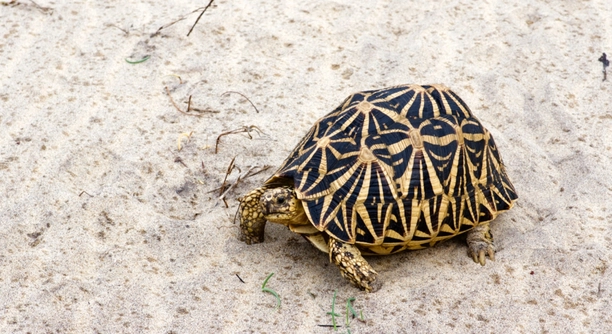
Indian Star Tortoises are known for their unique beauty and calm demeanor, but when it comes to their care, there can be some challenges. One common concern is when they avoid their heat lamps, which can be puzzling for owners.
The main reason an Indian Star Tortoise may avoid the heat lamp is due to overheating or discomfort from excessive heat. If the temperature in the habitat is too high, the tortoise will instinctively avoid the heat source to regulate its body temperature.
Understanding the reasons behind this behavior can help you create a better environment for your tortoise. Proper temperature management ensures they thrive and stay healthy.
Why Temperature Is So Important for Your Indian Star Tortoise
Maintaining the right temperature is crucial for your Indian Star Tortoise’s well-being. These tortoises are cold-blooded, which means they rely on external heat sources to regulate their body temperature. If the heat lamp is too hot or too cold, your tortoise may avoid it altogether. In the wild, they would naturally seek out the right balance of sunlight and shade. In captivity, it’s your job to provide a similar environment. This involves ensuring that the basking spot is warm but not overwhelming.
A heat lamp that’s too intense or placed too close to the tortoise can cause stress. It can also lead to overheating, which may cause them to retreat from the heat source. In this case, your tortoise might try to find cooler areas to stay comfortable. You should always monitor the temperatures regularly to ensure that the basking spot is at the correct level.
Remember, your tortoise also needs a cooler area in its habitat. This allows it to have a choice in how it regulates body temperature. By offering both warm and cool zones, you let your tortoise choose where it feels most comfortable.
Position of the Heat Lamp Matters
The placement of the heat lamp can impact your tortoise’s behavior.
When placing the heat lamp, be mindful of how far it is from the basking spot. A lamp that is too close can make the temperature unbearably high for your tortoise. Similarly, a lamp that is placed too far away may not provide enough heat. You should aim for a temperature gradient within the enclosure, meaning one area is warm for basking, while another is cooler for the tortoise to retreat to. By ensuring a comfortable environment, your tortoise can avoid overheating and find the right spot to regulate its body temperature.
The Type of Heat Lamp Matters
Different types of heat lamps can affect your tortoise in various ways. For instance, a bulb that emits too much light might create a harsh environment, while a lamp that doesn’t give off enough heat can fail to provide the warmth your tortoise needs.
Heat lamps should be chosen carefully based on the needs of your tortoise. Infrared bulbs are popular as they emit heat without causing excess light. Ceramic heat emitters are also a good choice, as they provide warmth without light. You want to avoid bright, high-intensity bulbs that could overwhelm your tortoise or disrupt its natural day-night cycle.
By testing out different bulbs and paying attention to how your tortoise reacts, you can determine the best option. It’s essential to remember that tortoises need stable heat. Experiment with different lamps and monitor how your tortoise behaves when basking, making sure the environment remains comfortable.
Overexposure to Heat
Excessive exposure to heat can cause your tortoise to become stressed or even ill. If the basking area is too hot, your tortoise may try to avoid the heat source altogether. This can cause problems, as tortoises need heat for digestion and overall health.
Tortoises are highly sensitive to temperature changes. If the basking area exceeds the recommended 90–95°F, they may retreat to cooler areas in their habitat. It’s important to give them the ability to escape the heat if they choose to do so. You can achieve this by offering shaded areas or adjusting the lamp’s position to prevent it from overheating the enclosure.
The key is balance. Too little heat can result in your tortoise becoming sluggish, while too much heat can cause dehydration or heat stress. Maintaining proper temperature gradients allows your tortoise to choose what feels right for them. By monitoring temperatures carefully and adjusting them as needed, you can prevent overexposure.
The Importance of Humidity Levels
Humidity plays a role in your tortoise’s health, especially when it comes to how it responds to heat. Low humidity can make the environment too dry, while high humidity can make it uncomfortable for your tortoise.
If the humidity level is off, your tortoise may avoid basking under the heat lamp. Dry air can lead to dehydration, making your tortoise retreat to cooler, more humid areas. If there’s too much moisture in the air, it could prevent them from efficiently regulating their body temperature.
It’s essential to keep humidity levels within the proper range for your Indian Star Tortoise. Aim for around 50-60% humidity, with a slight increase near the water dish. You can adjust humidity by adding a water source or using a humidity monitor.
The Size of the Habitat
A smaller habitat may increase the heat within the enclosure, forcing your tortoise to avoid the heat source. A larger habitat allows more space for temperature gradients.
A cramped space means the heat will concentrate in one area, making it difficult for your tortoise to escape if it feels too hot. In a larger habitat, your tortoise can move around to find the perfect temperature for itself, helping it stay comfortable. This way, it won’t be forced to avoid the heat lamp altogether.
Stress from Other Factors
Stress can contribute to your tortoise avoiding heat. Factors like loud noises or other pets in the room can disturb its comfort.
When stressed, your tortoise might retreat to cooler areas as a way to calm down and avoid further discomfort. To prevent this, ensure your tortoise’s habitat is in a quiet area, away from loud sounds and disturbances.
FAQ
Why does my Indian Star Tortoise avoid the heat lamp?
Your tortoise may be avoiding the heat lamp because it feels uncomfortable or overheated. If the lamp is too close or too hot, it can make your tortoise retreat to cooler areas of its habitat. It’s important to maintain a proper temperature gradient, so your tortoise can choose a comfortable spot. If the lamp is too bright or emits too much heat, the tortoise will instinctively avoid it. Check the temperatures regularly to ensure the basking spot isn’t too intense.
How hot should the basking area be for my tortoise?
The basking area should be between 90–95°F (32–35°C) during the day. This is the optimal range for digestion and overall health. If the basking area is too hot, your tortoise may avoid it to regulate its body temperature. Make sure to provide a cooler area for it to retreat to if needed. Monitoring the temperatures with a thermometer ensures that the environment stays within the right range.
Can I use any type of heat lamp for my Indian Star Tortoise?
Not all heat lamps are suitable for your tortoise. Some bulbs emit too much light or heat, which can cause discomfort. Infrared bulbs and ceramic heat emitters are ideal because they provide heat without disturbing the natural day-night cycle. Avoid bright, high-intensity bulbs, as they can stress your tortoise. Choose lamps designed specifically for reptiles to ensure they meet your tortoise’s needs.
What if the humidity is too low in my tortoise’s habitat?
Low humidity can make the environment too dry, causing dehydration and making your tortoise uncomfortable. It may even lead to your tortoise avoiding the heat lamp. To increase humidity, add a water dish, mist the enclosure lightly, or use a humidity monitor to track levels. Aim for humidity around 50-60% for an ideal environment.
Can stress affect my tortoise’s behavior around the heat lamp?
Yes, stress can lead to your tortoise avoiding the heat lamp. Stress can be caused by loud noises, other pets, or a habitat that feels too confined. If your tortoise feels threatened or uncomfortable, it may retreat to cooler areas. To reduce stress, place the enclosure in a quiet, calm location and ensure there is enough space for your tortoise to feel secure.
Is it okay if my tortoise spends a lot of time away from the heat lamp?
It’s normal for your tortoise to move around the habitat and find different spots to regulate its temperature. However, if your tortoise spends too much time away from the heat source, it could be a sign of an issue, such as the temperature being too high or low, or the lamp being placed incorrectly. Ensure there are both warm and cooler areas so your tortoise can freely choose where to spend time.
What’s the best way to monitor the temperature and humidity?
To monitor the temperature, use a reliable thermometer, ideally with a probe that can measure the basking spot temperature. For humidity, use a hygrometer to track moisture levels. Both tools help you keep track of the habitat’s conditions, ensuring your tortoise stays comfortable. Make adjustments to the lamp or humidity levels as needed.
Can the size of the enclosure affect my tortoise’s temperature preferences?
Yes, the size of the enclosure can play a role in how your tortoise responds to the heat lamp. In a small habitat, the heat can concentrate in one area, causing your tortoise to avoid it. In a larger habitat, your tortoise can move around to find the right temperature. Larger enclosures also allow for better temperature gradients, which help your tortoise regulate its body temperature.
What other factors can influence my tortoise’s response to heat?
Your tortoise’s health, age, and activity levels can also impact its response to heat. A sick or stressed tortoise may seek cooler spots more often. Older tortoises might not tolerate high temperatures as well as younger ones, so you may need to adjust the heat to suit their needs. Regularly check for signs of dehydration or discomfort to make sure your tortoise is healthy and thriving.
Can the type of substrate affect the temperature?
Yes, the type of substrate can impact the overall temperature and humidity in your tortoise’s habitat. Some substrates retain moisture, helping to increase humidity, while others may dry out the environment. Consider using substrates like coconut coir, cypress mulch, or sphagnum moss that help maintain moisture and balance the temperature. Avoid sand or rocks, as they can make it difficult to regulate humidity levels.
What should I do if my tortoise seems dehydrated or overheated?
If your tortoise shows signs of dehydration or overheating, it’s important to act quickly. Offer fresh water and check that the temperature is within the recommended range. If your tortoise is too hot, move it to a cooler area with better ventilation. If dehydration is a concern, you can gently soak your tortoise in lukewarm water to help it rehydrate.
How often should I adjust the temperature and humidity levels?
Temperature and humidity levels should be monitored daily, especially if you notice changes in your tortoise’s behavior. Adjust the heat lamp or humidity system as needed. The seasons may affect your home’s temperature, so be prepared to make adjustments accordingly. Consistency is key for maintaining a healthy environment for your tortoise.
Final Thoughts
Taking care of your Indian Star Tortoise involves ensuring it has the right temperature, humidity, and space to thrive. If your tortoise is avoiding the heat lamp, it’s often a sign that something in its environment isn’t quite right. It could be that the heat is too intense, the humidity is off, or the lamp is positioned incorrectly. By adjusting the temperature and making sure the tortoise has access to both warmer and cooler areas, you can encourage it to use the heat lamp as intended.
Monitoring the temperature and humidity levels regularly is an essential part of proper care. Using a thermometer and hygrometer helps you stay on top of the conditions inside the habitat. Remember, the temperature in the basking area should be around 90–95°F during the day. The humidity should stay within the 50-60% range to help your tortoise stay hydrated and comfortable. A well-maintained enclosure, with the right heat and humidity, helps your tortoise feel secure and healthy.
While managing the heat and humidity is important, don’t forget about other factors like stress and enclosure size. Stress can make your tortoise retreat to cooler areas or avoid the heat source altogether. Placing the habitat in a quiet, low-traffic area can reduce stress. Additionally, ensure the enclosure is large enough for your tortoise to move around freely and find the perfect temperature balance. By paying attention to these details, you’ll create a comfortable and safe environment that allows your Indian Star Tortoise to thrive.

Hello,
If you enjoy the content that we create, please consider saying a "Thank You!" by leaving a tip.
Every little bit helps us continue crafting quality advice that supports the health, happiness, and well-being of pets around the world, for pets of all shapes, sizes, and species.
We really appreciate the kindness and support that you show us!