
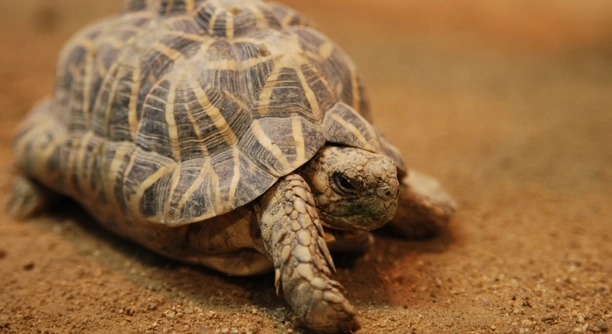
Taking care of your Indian Star Tortoise’s immune system is essential for their health and longevity. Ensuring they receive proper care can help prevent common health issues and promote a happier, more active life.
Boosting your tortoise’s immune system involves a combination of proper nutrition, adequate hydration, a clean environment, exposure to sunlight, and stress management. Additionally, regular veterinary check-ups and providing appropriate supplements can further strengthen their natural defenses.
By understanding these key factors, you can create a healthier environment for your tortoise. Implementing these strategies will help improve their immune system and overall well-being.
Provide Proper Nutrition
A healthy diet is one of the most important aspects of boosting your Indian Star Tortoise’s immune system. Feeding them a balanced diet of leafy greens, vegetables, and small amounts of fruit will ensure they receive essential vitamins and minerals. You can include foods like dandelion greens, clover, and a mix of other leafy greens. Avoid feeding them high-oxalate foods like spinach in large amounts, as they can lead to kidney issues. A varied diet will prevent nutritional deficiencies and support their immune system.
Offering calcium and vitamin D3 supplements can also be beneficial. These help maintain strong bones and support overall health. Proper hydration is equally important, so make sure your tortoise always has access to clean, fresh water.
A nutrient-rich diet not only supports the immune system but also boosts energy levels and helps your tortoise maintain a healthy weight. These small steps will create a foundation for their overall health and longevity.
Maintain Proper Lighting
Tortoises need proper lighting to maintain good health. Exposure to UVB light helps them synthesize vitamin D3, which is crucial for calcium absorption. Without adequate UVB light, they could face bone problems, like metabolic bone disease.
To mimic natural sunlight, you should provide a high-quality UVB bulb in their enclosure. Place the bulb within the correct distance to ensure your tortoise gets enough exposure, typically 12-14 hours a day. This light should be replaced every 6 months, as it loses effectiveness over time.
Along with UVB light, providing access to natural sunlight whenever possible is a great option. Sunbathing helps strengthen their immune system by providing essential vitamin D, which plays a major role in immune function. However, be sure to avoid prolonged exposure to direct sunlight that could lead to overheating or dehydration.
Keep Their Habitat Clean
Regularly cleaning your tortoise’s enclosure helps prevent the build-up of harmful bacteria and parasites that can weaken their immune system. Remove uneaten food daily and clean the water bowl to avoid contamination. Deep clean the habitat weekly to ensure it remains safe and healthy.
Disinfecting the enclosure with a mild, tortoise-safe cleaner helps reduce the risk of infections. Pay attention to areas where waste can accumulate, such as corners and bedding. Ensuring that the substrate is dry and free from mold will prevent health issues that can affect their immune system.
A clean, hygienic environment plays a significant role in keeping your tortoise’s immune system strong. With proper care and regular cleaning, you can ensure your tortoise lives a healthy and happy life free from harmful bacteria.
Manage Stress Levels
Tortoises can become stressed by overcrowded living conditions, loud noises, or sudden changes in their environment. Stress weakens the immune system, making them more susceptible to illness.
Minimize stress by providing a calm, stable environment. Ensure the enclosure is large enough to allow your tortoise to move around freely. Avoid handling them excessively, as this can lead to stress. Creating a safe and predictable routine will also help them feel secure.
Tortoises are creatures of habit. Maintaining a consistent feeding schedule, appropriate lighting, and a quiet space will help reduce stress and promote a healthier immune system.
Provide Regular Veterinary Check-ups
Regular veterinary visits help ensure that your tortoise is in good health. A vet can catch early signs of illness before they become serious. Scheduling check-ups every 6-12 months is a good way to stay on top of their health.
Your vet will check for any signs of infection, parasites, or nutritional imbalances. They can also provide guidance on proper care to boost your tortoise’s immune system.
Routine check-ups ensure your tortoise remains healthy, giving them a better chance of a long, thriving life.
Monitor Their Weight
Keeping an eye on your tortoise’s weight is essential for their overall health. Both underweight and overweight tortoises can face health problems, including a weakened immune system.
If your tortoise is gaining or losing weight rapidly, it may be a sign of an underlying health issue. Regularly monitoring their weight allows you to catch any potential problems early on.
Hydration is Key
Hydration is essential for a healthy immune system. Always provide clean, fresh water for your tortoise to drink. A shallow water dish is best to prevent drowning, and it should be cleaned regularly.
FAQ
How often should I feed my Indian Star Tortoise?
Indian Star Tortoises should be fed every other day, offering a variety of leafy greens, vegetables, and small amounts of fruit. Providing a varied diet helps meet their nutritional needs and keeps their immune system strong. The amount of food should be appropriate for their size and age. Overfeeding can lead to obesity, while underfeeding can cause malnutrition. Monitor their weight and adjust portions accordingly to keep them healthy.
Can I feed my tortoise commercial food?
While commercial tortoise food can be convenient, it shouldn’t be the primary diet. It may lack the variety and nutrients your tortoise needs for optimal health. Commercial food can be supplemented with fresh greens, flowers, and vegetables to ensure a well-rounded diet. Always check the ingredients to ensure they are suitable for your tortoise’s specific needs.
What is the best way to provide UVB light for my tortoise?
UVB light is essential for your tortoise’s health. The best way to provide it is by using a high-quality UVB light bulb designed for reptiles. Ensure the bulb is placed at the appropriate distance from your tortoise, usually 6-12 inches, depending on the manufacturer’s recommendations. Replace the bulb every 6 months to maintain its effectiveness. Natural sunlight, if available, can also be beneficial but should be limited to avoid overheating.
How do I know if my tortoise is stressed?
Signs of stress in tortoises include excessive hiding, refusal to eat, and rapid movements or pacing. They may also appear lethargic or show signs of aggression. Stress can weaken their immune system, so it’s important to address the cause. Common stress factors include sudden changes in their environment, improper temperature, overcrowding, or being handled too frequently. Providing a quiet, stable environment can help alleviate stress.
How can I tell if my tortoise is sick?
Common signs of illness include lethargy, loss of appetite, nasal discharge, swollen eyes, or difficulty breathing. You may also notice changes in their shell, such as soft spots or cracks. If you observe any of these symptoms, it’s important to consult a veterinarian right away. Early intervention can prevent more serious health issues.
Is it necessary to bathe my tortoise?
Bathing your tortoise is important for hydration, especially if they aren’t drinking enough water. A shallow bath with lukewarm water helps them absorb moisture through their skin. Gently soak your tortoise for about 15-20 minutes a few times a week. This also helps with waste elimination and general hygiene.
What temperature should I maintain for my tortoise?
Maintaining the correct temperature is essential for your tortoise’s well-being. The basking spot should be around 90-95°F, while the cooler end of the enclosure should be around 75-80°F. The temperature should never drop below 70°F. Use a reliable thermometer to monitor the temperature and adjust the heat source as needed to ensure a consistent environment.
Can I house more than one tortoise together?
Indian Star Tortoises are generally solitary creatures and may become territorial, especially males. Housing more than one in the same enclosure can lead to stress or aggression. If you want to keep multiple tortoises, ensure there is enough space, hiding spots, and a way to separate them if necessary. Monitor them closely for any signs of fighting or stress.
What type of substrate is best for my tortoise’s habitat?
The substrate should be soft, absorbent, and easy to clean. Coconut coir, grass hay, and paper towels are good options. Avoid using sand or gravel, as they can cause impaction if ingested. The substrate should be deep enough for your tortoise to burrow, as they naturally seek shelter. Regularly clean and replace the substrate to maintain a hygienic environment.
How can I prevent my tortoise from getting parasites?
Parasites can affect your tortoise’s health, so regular vet check-ups and maintaining a clean environment are crucial. Avoid letting your tortoise roam outside in areas where other animals may have been. If your tortoise is showing signs of illness, a fecal examination by your vet can help identify any parasites. Treating them early can prevent long-term health issues.
Can I let my tortoise roam freely outside?
Yes, but only in a safe, secure area free of predators. Outdoor time can be beneficial for your tortoise, as it allows them to absorb natural sunlight and engage in natural behaviors. However, never leave them outside unattended, as they can easily escape or be exposed to harmful elements. Always provide access to shade and water when they’re outside.
How can I tell if my tortoise is dehydrated?
Signs of dehydration in tortoises include sunken eyes, dry or flaky skin, and a lack of interest in eating or moving. If you notice any of these signs, provide your tortoise with a warm bath to help rehydrate them. Ensure they always have access to fresh, clean water and consider adding moisture-rich foods like leafy greens to their diet. If dehydration persists, consult a vet for further advice.
What should I do if my tortoise’s shell is damaged?
A damaged shell can be serious and should be addressed immediately. If the shell is cracked or injured, clean the wound gently with a mild antiseptic and cover it with a sterile bandage. Keep the tortoise in a clean, dry environment and avoid handling it to prevent infection. Consult a veterinarian for proper treatment and guidance.
Final Thoughts
Taking care of an Indian Star Tortoise requires a commitment to their health and well-being. By providing the right environment, a balanced diet, and regular veterinary check-ups, you can help your tortoise live a long and healthy life. It is important to be aware of their unique needs and make adjustments as they grow. Proper care ensures that your tortoise will thrive and maintain a strong immune system, preventing common health issues that can arise due to neglect or improper handling.
In addition to meeting their basic needs, it’s essential to monitor their behavior and environment closely. Stress, poor diet, or incorrect temperatures can weaken their immune system and lead to serious health problems. Regularly check their weight, observe for signs of illness, and make sure their habitat is clean and safe. If you notice anything unusual, do not hesitate to contact a veterinarian. Early detection and treatment are key to avoiding more severe health complications. Staying proactive will help you catch any potential issues before they become serious.
Your Indian Star Tortoise depends on you for its care and well-being. With proper attention and the right environment, they can thrive and live a long life. Remember that each tortoise is different, and what works for one might not work for another. Continuously educate yourself about their needs, and never stop learning about how to improve their health. Following these steps can help boost their immune system and provide them with the best possible life.

Hello,
If you enjoy the content that we create, please consider saying a "Thank You!" by leaving a tip.
Every little bit helps us continue crafting quality advice that supports the health, happiness, and well-being of pets around the world, for pets of all shapes, sizes, and species.
We really appreciate the kindness and support that you show us!