
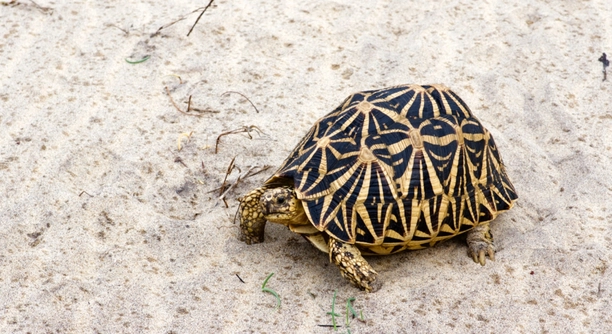
An Indian Star Tortoise refusing to eat fresh greens can be concerning. Understanding the reasons behind this behavior is important for ensuring your tortoise stays healthy and gets the right nutrition.
There are several reasons your Indian Star Tortoise may refuse to eat fresh greens, such as stress, improper temperature, or unappealing greens. Ensuring a proper habitat, providing fresh and varied greens, and reducing stress can help encourage eating.
Your tortoise’s eating habits can change due to different factors, but learning the causes can lead to better solutions and a healthier diet for your pet.
Common Reasons for a Tortoise’s Loss of Appetite
There are several common reasons why an Indian Star Tortoise may refuse to eat fresh greens. Stress is one of the primary causes. A sudden change in environment, like moving the tortoise to a new tank or exposure to loud noises, can disrupt its eating habits. Additionally, incorrect temperature and humidity levels in their habitat can affect digestion and overall appetite. Another factor might be the type of greens being offered. Some tortoises may not find certain vegetables appealing, especially if they’ve been served the same greens for a while.
If your tortoise is refusing to eat, assess its environment and diet. Check the temperature, humidity, and lighting in the tank to ensure they are within the right range for an Indian Star Tortoise. Keep the tank clean and avoid sudden changes in its surroundings. It’s also important to offer a variety of greens to stimulate interest.
Regularly switching the types of vegetables and incorporating new textures might help encourage your tortoise to eat. You can try dandelion greens, clover, or hibiscus flowers. This change in diet might catch its attention and make fresh greens more appealing.
Stress and Its Effect on Appetite
Stress can have a significant impact on your tortoise’s eating habits. Changes in its routine or surroundings may cause it to feel threatened or anxious.
A stressed tortoise is less likely to eat and may become withdrawn. It’s essential to create a calm, stable environment for your pet. Avoid sudden movements, loud noises, or handling that could stress them out. The tortoise should feel safe and comfortable in its space.
Temperature and Humidity Imbalance
If the temperature and humidity levels aren’t right, your tortoise may not feel like eating. Indian Star Tortoises require a specific range to stay healthy. If the tank is too cold or too dry, they may lose their appetite.
Your tortoise’s habitat should have a warm basking area with temperatures around 90°F and a cooler area between 75°F to 80°F. Humidity should be maintained at around 50–60%. If the environment is too dry, the tortoise may refuse to eat, and dehydration can also occur. Make sure the tank is equipped with a good humidity source, such as a misting system or a shallow water dish.
Monitoring the temperature and humidity regularly can help prevent these issues. If the environment isn’t ideal, your tortoise could become stressed or lethargic, making it even harder to get it to eat fresh greens.
Unappealing Greens
The type of greens you offer can affect whether your tortoise eats them or not. If the greens are wilted, old, or just unappetizing, your tortoise might simply turn them down. Freshness matters.
Try to offer a variety of leafy greens like dandelion greens, collard greens, or mustard greens. Avoid iceberg lettuce, as it lacks nutritional value and can discourage your tortoise from eating better options. Offering different textures and colors can help make the greens more appealing. Experiment with different types of greens to see what your tortoise prefers. If your tortoise isn’t eating, it might just be tired of the same options.
Freshness and variety are key to keeping your tortoise interested in its food.
Illness or Injury
If your tortoise is refusing to eat, illness or injury might be the cause. A sick tortoise will often show a lack of interest in food. Keep an eye out for other symptoms, like lethargy or changes in behavior.
A common sign that your tortoise is ill is if it’s not moving around much or seems unusually sluggish. Respiratory infections, parasites, or internal issues like impaction can all lead to a loss of appetite. Any injury, even if not visible, could cause stress and discomfort, further reducing its desire to eat.
If symptoms persist or worsen, it’s important to consult with a veterinarian experienced in reptiles. Early detection is key to a quick recovery, and your vet can help ensure your tortoise receives the right treatment.
Incorrect Feeding Habits
Feeding habits that don’t align with your tortoise’s needs can lead to appetite issues. For example, offering too much high-protein food or feeding at the wrong times could discourage your tortoise from eating fresh greens.
Tortoises are herbivores, so their diet should primarily consist of vegetables, grasses, and greens. Feeding them too much fruit, for example, can upset their digestive system and cause them to become picky eaters. It’s also best to offer food during daylight hours when your tortoise is most active. Establishing a consistent feeding schedule can help maintain their appetite.
Environmental Changes
Any significant changes in your tortoise’s environment, such as a new enclosure or new household activity, can cause stress and lead to a loss of appetite.
Ensure the enclosure is placed in a quiet, safe area where your tortoise can feel secure. Sudden movements, loud sounds, or even the introduction of new pets or people can disrupt their eating habits. Keep the environment consistent and avoid moving the enclosure too often. A stable environment helps your tortoise feel comfortable, which will encourage eating.
FAQ
Why isn’t my tortoise eating greens?
If your tortoise isn’t eating fresh greens, the issue could be related to stress, temperature, or illness. Tortoises can be sensitive to their environment, and changes like a new enclosure or sudden movements can cause them to stop eating. Another reason may be the type or freshness of the greens offered. It’s also important to ensure that the habitat temperature and humidity levels are ideal, as an imbalance can cause your tortoise to lose interest in food.
How can I encourage my tortoise to eat more greens?
Offer a variety of fresh, appealing greens. Some tortoises can be picky eaters, so switching up the vegetables might spark their interest. Greens like dandelion leaves, collard greens, and mustard greens are great options. Make sure the food is fresh, and try serving it at different times of the day. Consistency and variety are key to encouraging your tortoise to eat. You can also mist the greens with water to add a bit of moisture, which may make them more appetizing.
Can illness cause my tortoise to refuse food?
Yes, illness can cause a tortoise to stop eating. If your tortoise is lethargic, shows signs of labored breathing, or has runny eyes or nose, it may be sick. Other signs of illness include abnormal behavior, such as hiding more often or moving less than usual. Internal issues, respiratory infections, or parasites can all make your tortoise feel unwell and reduce its appetite. If you suspect your tortoise is ill, it’s essential to consult with a reptile vet.
What temperature should my tortoise’s habitat be for proper digestion?
Temperature plays a big role in your tortoise’s digestion and appetite. The basking area should be around 90°F, while the cooler side of the enclosure should be around 75°F to 80°F. If the temperature is too low, your tortoise may become sluggish and not feel like eating. You can use a thermometer to check the temperature in different areas of the tank. Keeping the environment at the right temperature helps maintain a healthy appetite.
Can stress affect my tortoise’s eating habits?
Yes, stress is a common factor that can lead to a lack of appetite in tortoises. Stress can be caused by changes in the environment, such as moving the tank, adding new pets, or even rearranging the tank. Loud noises or constant handling can also create stress. A stressed tortoise may refuse to eat until it feels comfortable again. Try to maintain a calm and consistent environment to minimize stress and keep your tortoise eating properly.
What types of greens should I avoid giving my tortoise?
Some types of greens are not suitable for tortoises. Avoid iceberg lettuce, as it is low in nutrients and can cause digestive issues. Avoid spinach and other high-oxalate vegetables, as they can interfere with calcium absorption. Also, avoid feeding too much fruit, as it can lead to gastrointestinal issues and imbalance in their diet. Stick to leafy greens like dandelion leaves, mustard greens, and clover for the best nutritional value.
Is it normal for my tortoise to refuse food occasionally?
It’s not uncommon for tortoises to go through periods where they eat less or refuse food altogether. This could be due to factors like shedding, seasonal changes, or just natural fluctuations in appetite. However, if the refusal to eat lasts more than a few days, it’s important to investigate other possible causes, such as illness, stress, or environmental issues. If your tortoise is still not eating after several days, it’s a good idea to consult a vet.
What should I do if my tortoise isn’t eating for several days?
If your tortoise refuses to eat for more than two or three days, it’s important to check its environment and overall health. First, ensure that the temperature, humidity, and lighting are correct. If everything seems in order but your tortoise still isn’t eating, look for signs of illness such as lethargy or changes in behavior. If there are no obvious environmental issues, or if the tortoise still refuses to eat, it’s time to take your tortoise to a vet.
Can my tortoise eat the same food every day?
While it’s possible for your tortoise to eat the same food every day, it’s better to offer variety. Eating a range of different vegetables ensures your tortoise gets a balanced diet with all the necessary nutrients. A lack of variety can lead to nutritional imbalances and a decrease in interest in food. Rotating the types of greens you offer will not only help keep your tortoise interested but also ensure it’s getting the vitamins and minerals it needs for health.
Should I feed my tortoise daily?
Yes, it’s best to feed your tortoise daily, especially when it’s young. Young tortoises are growing and need a regular food intake. As they age, you can reduce the frequency of feedings, but adults still need to eat regularly. Offering food every day ensures they get enough nutrition and prevents overfeeding or underfeeding. Always remove any uneaten food after a few hours to keep the enclosure clean and prevent spoilage.
Final Thoughts
It can be worrying when your Indian Star Tortoise refuses to eat fresh greens, but it’s important to understand the potential causes before jumping to conclusions. There are a variety of reasons why your tortoise might be turning its nose up at food, such as stress, illness, or environmental factors like temperature and humidity. Ensuring that your tortoise’s habitat is comfortable and stable is essential for its well-being. If the temperature is too cold or the humidity too low, it might affect your tortoise’s appetite. Checking the tank conditions regularly can help prevent these issues. Also, remember that stress from sudden changes in its environment can lead to a loss of interest in food, so consistency is key.
Another factor to consider is the type and freshness of the greens you are offering. Indian Star Tortoises can be picky eaters, and if they are offered the same greens repeatedly, they may lose interest. It’s important to vary their diet and provide fresh, appealing vegetables like collard greens, mustard greens, and dandelion leaves. Avoid offering low-nutrient options like iceberg lettuce, which can lead to a lack of interest in more nutritious foods. Ensuring that the greens are fresh and free from pesticides is also essential to prevent digestive issues.
If your tortoise’s refusal to eat continues for an extended period, or if you notice other signs of illness such as lethargy, changes in behavior, or physical symptoms like runny eyes or nose, it’s a good idea to consult with a reptile vet. Illness can be a serious concern, and prompt medical attention is important for a speedy recovery. Overall, by maintaining a stable environment, offering variety in food, and keeping a close eye on your tortoise’s behavior, you can usually identify the cause of a lack of appetite and address it in time.

Hello,
If you enjoy the content that we create, please consider saying a "Thank You!" by leaving a tip.
Every little bit helps us continue crafting quality advice that supports the health, happiness, and well-being of pets around the world, for pets of all shapes, sizes, and species.
We really appreciate the kindness and support that you show us!