
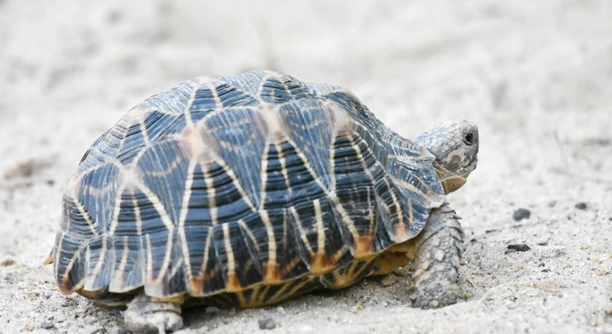
Indian star tortoises are known for their unique patterns and calm nature. As a pet owner, you may want to ensure they have a balanced diet. One common query is whether corn is a suitable food for them.
Indian star tortoises should not be fed corn regularly. While corn is not toxic to them, it lacks the necessary nutrients and can be difficult for them to digest. A diet high in fiber and low in protein is recommended.
Learning the best feeding practices for your tortoise ensures it stays healthy. Keep reading for tips on maintaining an ideal diet for your pet.
Are Corn and Other Vegetables Good for Indian Star Tortoises?
Corn can occasionally be part of an Indian star tortoise’s diet, but it should not be a regular item. Their digestive systems are designed to handle high-fiber foods like grasses, leafy greens, and flowers. Corn, on the other hand, is starchy and lacks the necessary vitamins and minerals to support their health. Feeding corn too often can lead to obesity and digestive issues. A well-balanced diet that mimics their natural habitat is essential to maintain their health and well-being. Tortoises thrive when their food is rich in calcium and low in protein, with a variety of vegetables and fruits offered in moderation.
While corn isn’t inherently harmful, it is not the best option. Providing a mix of leafy greens such as dandelion greens, collard greens, and hibiscus flowers is more beneficial. These foods are closer to their natural diet and offer necessary nutrients.
Offering a variety of vegetables and fruits helps prevent boredom and provides essential vitamins. Incorporating foods like cucumber, squash, and bell peppers can keep your tortoise interested in meals while meeting their nutritional needs. Additionally, always ensure the food is clean and pesticide-free to avoid any health concerns. Maintaining a diet close to their natural food sources will keep your tortoise happy and healthy.
What Other Foods Should You Avoid Feeding Indian Star Tortoises?
Certain foods are better left off your tortoise’s plate. Items like iceberg lettuce, spinach, and other high-water content vegetables may seem appealing but lack the nutrients needed. Over time, these can cause health problems. In addition, fruits such as apples or grapes should only be given sparingly due to their high sugar content. This can result in health issues like obesity or gastrointestinal distress. Always prioritize a diet rich in fiber to mimic what your tortoise would find in the wild.
A balanced diet includes grasses, hay, and leafy greens. Many of these foods can be found in the wild, where Indian star tortoises forage for their meals. Leafy greens such as kale and mustard greens, along with edible flowers, are ideal food choices. Avoid foods with high protein or fat content, as they can cause liver damage and other health problems if fed regularly. Even though fruits like berries can be given occasionally, they should be offered in small amounts. Providing a wide range of plant-based foods ensures your tortoise receives the nutrients it needs. Always offer fresh water, as hydration is just as important as diet in maintaining their health.
The Importance of Variety in a Tortoise’s Diet
Variety is key when feeding an Indian star tortoise. A mix of different greens, vegetables, and occasional fruits ensures a well-rounded diet. Without diversity, your tortoise could miss out on essential nutrients, potentially leading to health issues. Offering new foods regularly helps avoid deficiencies and keeps meals interesting.
Stick to leafy greens, such as collard greens, turnip greens, and dandelion greens. These are high in calcium, which is important for shell and bone health. You can also provide edible flowers like hibiscus and clover. Avoid too many fruits as they are high in sugar, which isn’t ideal for daily consumption. Remember that variety doesn’t just mean more options but balanced nutrition across food groups.
Adding flowers and weeds like clover or dandelions also adds nutrients not found in leafy vegetables. Mixing up the types of vegetables can mimic a natural environment where tortoises would eat a range of plants. Don’t forget to clean all food items thoroughly to remove any pesticides, ensuring the diet remains healthy.
Hydration for Indian Star Tortoises
While it may seem secondary, hydration is crucial for your tortoise’s health. A proper water source allows them to digest their food efficiently and maintain a healthy system. You can offer fresh water in a shallow dish, ensuring that it’s easy for your tortoise to drink from.
Indian star tortoises, like many reptiles, don’t always drink enough water on their own. Providing a shallow water dish allows your pet to soak and drink at will. You can also lightly mist their food with water to increase moisture intake. Some tortoises might not drink much, but they may prefer soaking instead. A humid environment can also support their hydration needs.
Regular soaking sessions can prevent dehydration and help with shedding. Simply place your tortoise in shallow water for about 20-30 minutes once or twice a week. This helps with overall hydration and digestion. Always monitor their water dish to ensure it remains clean and free from debris, which can affect their health.
Feeding Frequency for Indian Star Tortoises
Indian star tortoises don’t need to be fed every day. Depending on their age and size, they can eat every other day. Overfeeding can lead to obesity and health problems. It’s important to monitor their weight and adjust feeding accordingly.
Young tortoises need to eat more frequently, about every day, to support their growth. Adults, however, typically eat every two to three days. Be mindful of their body condition and adjust portions to prevent excessive weight gain. Avoid feeding them the same food every day to keep their diet diverse and nutrient-rich.
Supplements for Indian Star Tortoises
Sometimes, tortoises may need extra calcium or vitamin supplements to maintain proper health. While a varied diet is often enough, supplements can fill in any gaps. Consult your vet to determine whether your tortoise requires any additional nutrients to support growth or shell health.
Calcium is especially important for tortoises, as it helps in shell development. If their diet lacks calcium-rich foods, adding a calcium supplement is essential. You can also provide cuttlebone or crushed eggshells as a natural calcium source. Make sure the supplements are specifically designed for reptiles to avoid any harmful ingredients.
FAQ
Can Indian star tortoises eat fruit?
While Indian star tortoises can eat some fruits, they should be offered in moderation. Fruits are high in sugar, which isn’t ideal for their overall health. Some acceptable fruits include berries, papaya, and melons. However, these should be an occasional treat, not a regular part of their diet.
What vegetables should I avoid feeding my tortoise?
Avoid feeding your tortoise vegetables like iceberg lettuce and spinach. Iceberg lettuce has minimal nutritional value, and spinach contains high levels of oxalates, which can interfere with calcium absorption. Stick to dark leafy greens like collard greens, dandelion greens, and kale for a healthy diet.
How much should I feed my Indian star tortoise?
The amount to feed your Indian star tortoise depends on its size and age. Adult tortoises typically require 2-3 meals per week, while younger tortoises should eat daily. Offering a portion about the size of their shell is a good guideline, but always adjust based on their health and weight.
Can I feed my tortoise cooked food?
It’s best to avoid cooked food as it lacks essential nutrients and may upset your tortoise’s digestive system. Indian star tortoises should primarily eat fresh, raw vegetables and some fruits. Cooking food can also break down beneficial enzymes, making it harder for your tortoise to digest.
How can I tell if my tortoise is eating enough?
If your tortoise is eating regularly and maintaining a healthy weight, it’s likely eating enough. However, watch for any changes in behavior, such as loss of appetite, lethargy, or weight loss, which may indicate dietary issues or illness. Regular health checkups with a vet can also help.
Is it okay to feed my tortoise corn?
Corn is not toxic to tortoises but isn’t an ideal food choice. While it can be offered occasionally, it should not be a regular part of their diet. Corn lacks essential nutrients and is high in starch, which can cause digestive issues if fed too frequently.
What is the best way to hydrate my tortoise?
Provide fresh water in a shallow dish, making sure it’s easy for your tortoise to drink. You can also lightly mist their food with water to help with hydration. Occasionally soaking your tortoise in a shallow bowl of water for about 20-30 minutes can also help with moisture absorption.
Should I feed my tortoise pellets?
While pellets are convenient, they should not be the primary food for your tortoise. They can be offered in small amounts as a supplement but should not replace fresh vegetables and greens. Always check the ingredients to ensure the pellets are free of additives and fillers that may harm your tortoise.
Can I feed my tortoise flowers from my garden?
You can feed your tortoise certain edible flowers, like hibiscus, clover, and dandelions. Make sure the flowers haven’t been treated with pesticides or chemicals. Some flowers can be toxic to tortoises, so it’s important to verify that the flowers you’re offering are safe for them to eat.
How often should I change my tortoise’s water?
It’s important to change your tortoise’s water daily to keep it fresh and clean. Stale water can harbor bacteria, which can lead to health problems. If your tortoise has been soaking in the water, change it more frequently to prevent any build-up of waste. Keeping the water clean is crucial for hydration and overall health.
Is it safe to feed my tortoise lettuce?
Not all lettuce is bad for tortoises, but you should avoid iceberg lettuce as it contains little nutritional value. Romaine or other dark leafy lettuces can be offered occasionally, but they shouldn’t be the main staple in their diet. Always focus on providing nutrient-rich greens.
Final Thoughts
Indian star tortoises are unique creatures with specific dietary needs. While corn isn’t toxic to them, it’s not an ideal food choice. It lacks the necessary nutrients that tortoises need for proper health and can cause digestive issues if fed too often. A balanced diet of leafy greens, edible flowers, and occasional fruits will provide the essential vitamins and minerals your tortoise requires. It’s important to avoid feeding them processed or sugary foods too often, as these can lead to health problems over time.
Hydration plays a vital role in maintaining your tortoise’s health. Offering fresh water in a shallow dish, soaking them occasionally, and misting their food with water can help them stay hydrated. A well-hydrated tortoise will have better digestion, healthier skin, and a more vibrant shell. Make sure the water dish is kept clean and changed regularly to prevent bacterial growth. Additionally, soaking your tortoise in a shallow dish for about 20-30 minutes a few times a week can aid with hydration and help keep them comfortable.
By focusing on variety, hydration, and proper nutrition, you can ensure that your Indian star tortoise remains healthy and happy. While feeding them a diverse range of vegetables and fruits is important, always remember that moderation is key. Overfeeding or offering the wrong types of food can have negative consequences. Regular check-ups with a veterinarian will also help in keeping your tortoise in optimal health. With the right care and attention, your Indian star tortoise can thrive in your home for many years.

Hello,
If you enjoy the content that we create, please consider saying a "Thank You!" by leaving a tip.
Every little bit helps us continue crafting quality advice that supports the health, happiness, and well-being of pets around the world, for pets of all shapes, sizes, and species.
We really appreciate the kindness and support that you show us!