
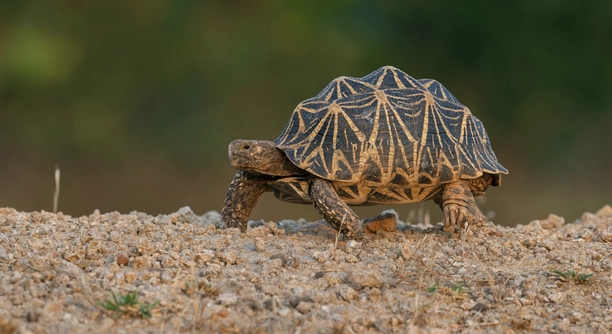
Creating a low-stress environment for your Indian star tortoise is crucial for its overall well-being. These reptiles thrive in environments that cater to their specific needs, helping them feel safe and comfortable.
To create a low-stress environment for Indian star tortoises, focus on factors such as proper habitat temperature, humidity levels, diet, and quiet surroundings. By providing adequate shelter, lighting, and enriching activities, you can reduce their stress.
Proper care for your tortoise requires attention to several key factors. From temperature control to ensuring a peaceful habitat, we will guide you through each step.
1. Creating the Right Habitat Temperature and Humidity
Indian star tortoises are sensitive to temperature fluctuations. Maintaining the proper temperature is vital to keeping your tortoise healthy and stress-free. Ideally, their habitat should be kept between 75°F and 95°F. A basking area should be set up at around 95°F to mimic natural sun exposure. The cooler side of their habitat can range from 75°F to 85°F to allow them to move between warm and cool areas when needed.
Humidity is just as important. The enclosure should have moderate humidity levels of 50-70%. Too little humidity can cause dehydration, while too much can encourage mold growth. You can achieve the right balance by using a misting system or placing a shallow water dish in their habitat. The right humidity combined with the appropriate temperatures promotes a healthy and stress-free environment for your tortoise.
By providing the right conditions, you help your tortoise regulate its body temperature naturally, reducing unnecessary stress. Ensure that these conditions remain consistent to create a secure, balanced environment where your tortoise can thrive.
2. Providing Quiet and Calm Surroundings
Indian star tortoises can easily become stressed by loud noises or sudden movements.
Their natural habitat is quiet and calm, so creating a peaceful environment is crucial. Avoid placing their enclosure in areas with high traffic or noise, such as near televisions, speakers, or busy rooms. Keeping the environment quiet will allow them to feel secure.
Reducing stress in your tortoise’s environment is more than just adjusting the noise levels. Their surroundings should also be free from sudden movements or aggressive interactions with other pets. Constantly disturbing their space will not only increase their anxiety but can also negatively impact their overall health. A calm environment helps your tortoise feel safe, reducing stress and encouraging natural behavior. Consider placing the enclosure in a quiet corner, away from distractions, to make sure your tortoise can relax.
3. Providing Proper Lighting and UVB Exposure
UVB lighting is a key element for your tortoise’s health. Without it, they cannot produce vitamin D3, which is essential for calcium absorption and shell health. Ensure your tortoise has access to a good UVB bulb that lasts about 6-12 months.
Placing the UVB light over the basking area is critical for providing exposure to both heat and UV rays. This helps regulate the tortoise’s metabolism and promotes a healthy shell. You should also allow them to experience natural sunlight when possible, as this is the most effective way to absorb UVB.
Make sure to replace UVB bulbs regularly, as their effectiveness diminishes over time. If natural sunlight isn’t an option, artificial lighting will suffice, but you must use a proper UVB light designed for reptiles. Providing the right light reduces stress and helps keep your tortoise’s health in check.
4. Offering a Balanced Diet
A proper diet is essential for your tortoise’s well-being. Focus on a variety of leafy greens, grasses, and occasional fruits. Ensure that all food items are fresh and free from pesticides or chemicals.
The best way to feed your Indian star tortoise is to provide a wide range of fibrous vegetables and herbs. Dandelion greens, clover, and hibiscus are great choices. Avoid overfeeding fruits, as they are high in sugar, which can lead to health issues. Offering the right balance keeps them active and reduces stress.
It’s essential to also provide access to clean, fresh water at all times. Sometimes, tortoises may not drink enough on their own, so you can mist their food or place water dishes to encourage hydration. These small steps will help your tortoise maintain a healthy and low-stress lifestyle.
5. Ensuring Proper Shelter and Hiding Spots
Indian star tortoises like to have a safe, secluded space where they can retreat. A hiding spot gives them a sense of security and reduces stress. Providing a hideaway helps them feel protected from the outside world.
A simple hiding spot can be created using a small cave, tunnel, or even a pile of rocks. The enclosure should have enough room for your tortoise to move around comfortably while still offering areas where they can feel safe and hidden. These spots will provide your tortoise with much-needed breaks, allowing them to relax.
6. Reducing Handling and Stressful Interactions
Handling should be kept to a minimum. Tortoises are naturally shy and can easily become stressed when overhandled. Allowing your tortoise to roam freely without constant interruption will make them feel safer and more comfortable in their space.
When you do need to handle them, be gentle and calm. Always support their body fully and avoid sudden movements. Excessive handling can cause anxiety and may lead to health issues, so it’s best to respect their need for space. Keeping stress to a minimum is crucial for maintaining their well-being.
7. Keeping the Environment Clean
Maintaining a clean environment is vital for your tortoise’s health. Regularly clean the enclosure to prevent bacteria or mold buildup, which can lead to illness. Proper hygiene ensures that your tortoise remains in a stress-free environment.
Spot clean daily by removing uneaten food and waste. A thorough cleaning once a week, including washing the substrate, water dish, and decorations, will ensure the habitat stays hygienic. Keeping the space clean reduces potential stress factors and helps keep your tortoise healthy.
FAQ
How often should I feed my Indian star tortoise?
It’s best to feed your tortoise every other day. This allows them time to digest their food properly. Make sure to offer a variety of leafy greens, grasses, and occasional fruits. A regular feeding schedule helps prevent overfeeding and keeps them healthy.
What temperature should I keep my tortoise’s habitat?
The temperature should range between 75°F and 95°F. The basking area should be about 95°F, while the cooler side of the habitat can be around 75°F to 85°F. These temperature variations allow your tortoise to regulate its body heat naturally.
How do I know if my tortoise is stressed?
Signs of stress include loss of appetite, lethargy, hiding more than usual, and scratching at the walls of the enclosure. A stressed tortoise might also exhibit rapid, shallow breathing. If you notice these signs, review its environment to identify potential stressors like temperature changes or loud noises.
Can I keep more than one tortoise together?
While Indian star tortoises can be social, they are territorial. It’s best to house them separately unless they have plenty of space and hiding spots. If housed together, make sure there’s no competition for food or basking areas. Monitor them closely for signs of aggression.
What is the best substrate for an Indian star tortoise?
Use a mixture of coconut coir, organic soil, and sand. This combination allows for good drainage, while also providing a natural texture for your tortoise. Avoid using substrates like cedar or pine, as they can cause respiratory problems.
How often should I clean the enclosure?
Spot cleaning should be done daily to remove waste and uneaten food. Once a week, perform a thorough cleaning, including changing the substrate, washing the water dish, and disinfecting any surfaces your tortoise may have come into contact with. A clean environment is essential for reducing stress and keeping your tortoise healthy.
Should I mist my tortoise’s habitat?
Yes, misting the habitat occasionally can help maintain proper humidity levels. It’s important to ensure that the humidity remains between 50-70%. Mist the enclosure once or twice a day, depending on the humidity in your home. Be careful not to overdo it, as excessive moisture can lead to mold.
How do I handle my tortoise properly?
Always handle your tortoise gently and support its body. Avoid grabbing or lifting them by their shell, as this can cause discomfort and injury. Place them in your hand with a firm but gentle grip, allowing them to feel secure. Limit handling to reduce stress.
Can I let my tortoise roam outside?
Yes, but only in a controlled, safe environment. Ensure there are no potential predators or hazards like pesticides, plants, or standing water. It’s also essential to monitor the temperature, as tortoises can overheat quickly. Always supervise your tortoise while outside to keep them safe.
How do I ensure my tortoise gets enough calcium?
Provide calcium through their diet and supplementation. Offer calcium-rich foods like dark leafy greens (such as collard greens and dandelion greens) and supplement their diet with a calcium powder if needed. This is essential for shell growth and overall health. Make sure they have access to a proper UVB light source for vitamin D3 production.
Why isn’t my tortoise eating?
A loss of appetite can be caused by a variety of factors, including stress, improper temperature, or an unsuitable diet. If your tortoise stops eating, check the habitat conditions, especially the temperature and humidity. You can also try offering different food items or increasing the amount of variety in their diet. If they continue to refuse food, it’s best to consult a veterinarian.
Is it necessary to give my tortoise a water dish?
Yes, it’s important to provide a shallow water dish at all times. Tortoises often drink by soaking in water, and hydration is essential for their health. Change the water daily and make sure the dish is easy for them to access. You may also want to mist the tortoise or its food to encourage water intake.
Can I keep my tortoise indoors all the time?
Yes, Indian star tortoises can live indoors as long as their habitat is properly maintained. Ensure they have enough space, proper lighting, and a stable temperature. However, if possible, offering supervised time outdoors in natural sunlight will benefit their health, especially for vitamin D3 absorption.
Do Indian star tortoises need a companion?
Indian star tortoises are solitary animals and do not need companions. They prefer their own space and can become stressed if housed with other tortoises. They are territorial, so it’s best to house them alone unless you can provide plenty of space and resources to avoid conflict.
What should I do if my tortoise’s shell is damaged?
If your tortoise’s shell is cracked or injured, it’s important to act quickly. Clean the wound gently with warm water and avoid using any harsh chemicals. You should then take your tortoise to a veterinarian experienced with reptiles to ensure proper treatment and prevent infection.
How long do Indian star tortoises live?
Indian star tortoises have a lifespan of 50 to 100 years in the wild, though they can live shorter lives in captivity due to various factors. With proper care, they can live long, healthy lives, so it’s important to commit to their care for the long term.
Final Thoughts
Creating a low-stress environment for your Indian star tortoise is essential for its health and well-being. These reptiles are sensitive to their surroundings, and maintaining the right conditions can make all the difference in their quality of life. Ensuring proper temperature, humidity, lighting, and a clean habitat reduces stress and allows them to thrive. By setting up a comfortable and secure environment, you provide your tortoise with the stability it needs to feel safe and relaxed.
It’s important to remember that each tortoise is unique. Some may be more sensitive to certain changes in their environment than others. Taking the time to observe your tortoise’s behavior can help you identify any signs of stress or discomfort. If your tortoise isn’t eating, seems more withdrawn, or shows other signs of stress, it may be due to changes in its habitat or routine. Small adjustments, like improving lighting or adding more hiding spots, can go a long way in helping your tortoise feel more comfortable.
Overall, a little effort and attention to detail will go a long way in providing a peaceful environment for your tortoise. Whether it’s adjusting the temperature, offering a variety of foods, or minimizing handling, each step you take helps reduce stress. Remember, creating a comfortable, secure, and quiet space is the key to keeping your tortoise healthy and happy for many years to come.

Hello,
If you enjoy the content that we create, please consider saying a "Thank You!" by leaving a tip.
Every little bit helps us continue crafting quality advice that supports the health, happiness, and well-being of pets around the world, for pets of all shapes, sizes, and species.
We really appreciate the kindness and support that you show us!