
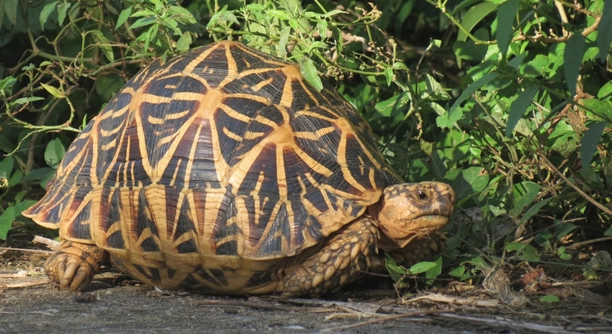
Indian star tortoises are popular pets due to their unique appearance and docile nature. As with any pet, it’s important to know what they should eat to ensure they stay healthy and happy.
Indian star tortoises can eat cabbage in moderation. However, cabbage should not be a staple of their diet, as it may cause digestive issues if consumed in large quantities. A balanced diet is essential for their well-being.
There are a few important details to consider when feeding cabbage to your tortoise, and understanding how to offer it properly can support their long-term health. Let’s explore the best feeding practices for your pet.
Can Indian Star Tortoises Eat Cabbage Safely?
Indian star tortoises can enjoy cabbage in small amounts. However, cabbage is not the most suitable food for them on a regular basis. It’s high in fiber, but it lacks many of the nutrients they need. Tortoises need a diet rich in leafy greens, grasses, and certain vegetables. Cabbage can be part of their diet occasionally, but it should never replace more nutritious foods. If you feed them too much cabbage, it could cause digestive problems like diarrhea or bloating. Offering a variety of vegetables ensures your tortoise gets the nutrients it needs without overloading on fiber. Stick to a balanced mix to keep your tortoise healthy.
Cabbage can be given as an occasional treat to your Indian star tortoise. It should never make up the majority of their meals. Too much cabbage can lead to digestive issues, so moderation is key.
Offering your tortoise a variety of vegetables, such as kale, dandelion greens, or collard greens, is ideal. These vegetables provide more essential vitamins and minerals than cabbage. Tortoises, in general, thrive on a more natural diet that mirrors what they would eat in the wild. They also need a good mix of fiber to support their digestion. While cabbage may seem harmless in small amounts, its high oxalate content can interfere with calcium absorption, which could lead to health problems over time. Keep these factors in mind when selecting vegetables for your pet.
Tips for Feeding Cabbage to Your Indian Star Tortoise
If you do decide to feed cabbage, make sure to offer it in small portions. It’s best to chop it up into bite-sized pieces to make it easier for your tortoise to eat. This can help reduce the chance of choking or overeating. Offering cabbage once or twice a week is a safe way to incorporate it into your tortoise’s diet. Make sure to remove any uneaten portions after a few hours to avoid any risk of bacterial growth. Always wash the cabbage thoroughly to remove any pesticides or chemicals that could harm your tortoise. Additionally, consider removing the core, as it can be harder to digest.
While cabbage can be part of a varied diet, make sure your Indian star tortoise’s meals are balanced with plenty of leafy greens and other vegetables. Providing different types of plants helps meet all the nutritional needs for your pet. The key is moderation and variety. Cabbage may be fun to offer occasionally, but it should never be the main course. Also, never forget to provide your tortoise with fresh water daily. Hydration plays an important role in their digestion and overall health. If you notice any signs of distress after feeding cabbage, it’s best to consult with a vet.
The Risks of Feeding Too Much Cabbage to Indian Star Tortoises
Feeding your Indian star tortoise too much cabbage can cause digestive issues. It’s important to ensure cabbage is only given occasionally and in moderation.
Cabbage is high in fiber, which can be tough on their digestive systems if overfed. Too much fiber can lead to problems such as bloating, diarrhea, or even an upset stomach. Tortoises rely on a balanced diet that includes a variety of plants to ensure they are getting the necessary nutrients. While cabbage isn’t harmful in small amounts, excessive intake may disrupt the digestive balance and prevent them from absorbing key nutrients, like calcium.
Additionally, cabbage contains goitrogens, compounds that can interfere with thyroid function if consumed in large quantities over time. It’s crucial to avoid feeding cabbage too often, as this could potentially cause long-term health issues for your tortoise. Moderation is essential in maintaining a balanced diet that keeps your tortoise healthy.
Best Vegetables to Feed Your Indian Star Tortoise
When it comes to your tortoise’s diet, variety is key. There are many vegetables that are much better suited to their nutritional needs than cabbage.
Leafy greens like kale, collard greens, and mustard greens are ideal for Indian star tortoises. These vegetables provide essential vitamins like A, C, and K. They also offer calcium and other minerals that are important for shell and bone health. Dandelion greens are another great option, full of nutrients that support your tortoise’s immune system. To keep your tortoise’s diet balanced, it’s a good idea to rotate different leafy greens and occasional veggies like squash or bell peppers. These options are not only healthier but also more aligned with what they would naturally forage in the wild.
If you offer a variety of vegetables, your tortoise is less likely to become bored with its meals and more likely to receive the broad spectrum of nutrients it needs for overall well-being. By mixing up their veggies, you’ll support their digestion and ensure they’re getting a well-rounded diet.
Can Cabbage Be Harmful to Indian Star Tortoises?
Cabbage can be harmful if fed in excess. It contains compounds that may affect digestion and calcium absorption.
While cabbage itself isn’t toxic, its high oxalate content can interfere with calcium absorption, which is crucial for shell and bone health. If your tortoise doesn’t get enough calcium, it could develop metabolic bone disease. Additionally, feeding too much cabbage can lead to bloating and digestive upset. It’s important to limit cabbage and focus on more nutrient-rich vegetables for their long-term health.
Calcium-Rich Foods for Indian Star Tortoises
To ensure proper calcium intake, focus on vegetables like collard greens, dandelion greens, and clover. These provide essential nutrients.
Calcium is vital for your tortoise’s shell growth and overall bone health. Without it, your pet could suffer from weakened bones or soft shells. You can supplement calcium by offering a variety of leafy greens. Additionally, calcium powder can be dusted on their food to ensure they get enough. Always check that your tortoise is eating a well-balanced diet with sufficient calcium, as a lack of it can have serious health consequences over time.
Hydration and Diet for Indian Star Tortoises
Make sure your tortoise always has access to fresh water. Proper hydration supports digestion and overall health.
Water is essential for digestion and nutrient absorption. Dehydration can lead to health problems, making it crucial to keep their water bowl clean and accessible. You can also include water-rich vegetables like cucumber in their diet to help maintain hydration. Regular hydration improves their digestion, helps prevent kidney issues, and supports the overall well-being of your tortoise.
Can Indian Star Tortoises Eat Lettuce?
Yes, Indian star tortoises can eat lettuce, but it should not be a regular part of their diet. Lettuce, especially iceberg lettuce, has very little nutritional value. It mostly contains water and can cause loose stools if fed too frequently. Romaine lettuce is a better option if you want to feed lettuce to your tortoise because it has more nutrients. However, it should still be given in moderation and combined with other more nutritious vegetables like kale or dandelion greens. A variety of leafy greens will provide your tortoise with the vitamins and minerals it needs to stay healthy.
How Often Should I Feed My Indian Star Tortoise?
Indian star tortoises should be fed once a day, offering them a variety of vegetables. In the wild, they graze on plants throughout the day, but a regular feeding schedule helps to maintain a healthy routine. It’s important to offer different types of greens, grasses, and vegetables at each feeding to ensure they’re getting a balanced diet. Make sure to monitor their food intake, adjusting portions based on their size and appetite. Overfeeding or underfeeding can lead to health problems, so consistency is key. You may also want to skip feeding them once a week to mimic their natural fasting periods in the wild.
Can Indian Star Tortoises Eat Fruit?
Yes, Indian star tortoises can eat fruit, but it should only be offered occasionally. Fruits are high in sugar, which can lead to weight gain or other health issues if fed too often. Some suitable fruits include papaya, melons, strawberries, and small amounts of bananas. Offering a small portion once or twice a week as a treat is fine, but fruits should not make up a large portion of their diet. Most of their diet should consist of leafy greens, grasses, and other vegetables that are better for their digestive system and overall health.
Is It Safe to Feed Indian Star Tortoises Flowers?
Indian star tortoises can safely eat certain flowers, like hibiscus, dandelions, and clover. These flowers provide variety and are rich in nutrients, making them an excellent addition to their diet. However, be cautious with flowers that may have been exposed to pesticides or chemicals. Always make sure the flowers are safe and non-toxic before feeding them to your tortoise. You can offer flowers as a treat or as part of their regular diet, but like fruits, they should be given in moderation. Overfeeding flowers can upset their stomach and cause digestive issues.
What Should I Do If My Tortoise Isn’t Eating?
If your Indian star tortoise isn’t eating, it could be due to various reasons, such as stress, improper temperature, or health issues. First, check that the habitat is appropriately set up with the right temperature and humidity levels. A warm basking spot and proper UVB lighting are essential for their appetite and digestion. If the environment is correct and your tortoise is still not eating, it could be a sign of illness. If the lack of appetite continues for more than a couple of days, it’s best to consult a veterinarian to rule out health problems such as parasites, respiratory infections, or metabolic bone disease.
How Can I Encourage My Tortoise to Eat More Greens?
Encouraging your Indian star tortoise to eat more greens can be tricky, but there are a few tricks you can try. Offering a variety of fresh, nutrient-rich vegetables is key. You can mix different greens together, like collard greens, kale, or mustard greens, to make the meal more exciting. Tortoises sometimes prefer leafy greens that are fresh and slightly damp, so try spraying the greens with water before serving. You can also try warming the food slightly, as the smell may be more appealing to your tortoise. Additionally, avoiding overly processed or low-nutrient foods will help keep their interest in healthy, fresh vegetables.
Can I Feed My Tortoise Commercial Tortoise Food?
Commercial tortoise food can be used as a supplement to your Indian star tortoise’s diet, but it should not be the main source of nutrition. These prepared foods may lack the necessary variety and nutrients that tortoises get from fresh vegetables and plants. If you choose to use commercial food, make sure it is high-quality and specifically formulated for herbivorous tortoises. Always offer fresh greens and vegetables alongside the commercial food to ensure your tortoise is getting a balanced diet. Use commercial food sparingly and as an addition to their regular fresh meals, not as a replacement.
How Can I Tell If My Tortoise Is Healthy?
There are several signs to look for when checking your Indian star tortoise’s health. A healthy tortoise should have clear, bright eyes and be active, moving around and exploring its environment. The shell should be smooth, hard, and free from any cracks or soft spots. A healthy tortoise will have a strong appetite and should maintain a stable weight. If your tortoise is lethargic, has swollen eyes, or is not eating or drinking, these could be signs of health issues. Always monitor your tortoise’s behavior and consult a vet if you notice any changes in their habits or physical appearance.
When it comes to feeding your Indian star tortoise, balance is key. Cabbage can be part of their diet but should only be given in moderation. It’s important to remember that too much cabbage can cause digestive problems and interfere with their ability to absorb essential nutrients like calcium. Keeping their diet varied, with a mix of leafy greens and other vegetables, ensures they receive a wide range of vitamins and minerals. This helps them stay healthy and thrive in their environment.
Feeding your tortoise the right foods is essential for their overall well-being. While cabbage can be a fun treat, it shouldn’t make up a large portion of their meals. Vegetables like dandelion greens, collard greens, and kale should be staples in their diet. These options are much richer in the nutrients your tortoise needs. Additionally, offering fruit and flowers occasionally can add variety, but remember that these should also be kept in moderation. A proper balance of hydration and nutrition goes hand in hand in supporting their digestive system and general health.
Taking the time to understand what your tortoise needs can make a significant difference in their quality of life. Regularly observing their eating habits and making sure they’re getting enough of the right foods is part of responsible care. While cabbage might be a tempting food to offer, it’s important to focus on creating a balanced, nutritious diet for them. Keep an eye on their behavior and health, and don’t hesitate to seek advice from a veterinarian if you’re unsure about any aspect of their diet. Your tortoise’s long-term health will depend on the choices you make today.

Hello,
If you enjoy the content that we create, please consider saying a "Thank You!" by leaving a tip.
Every little bit helps us continue crafting quality advice that supports the health, happiness, and well-being of pets around the world, for pets of all shapes, sizes, and species.
We really appreciate the kindness and support that you show us!