
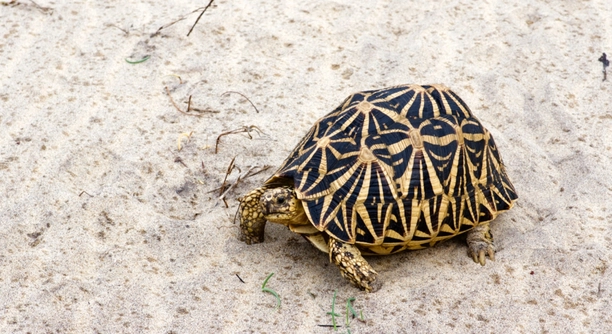
Indian Star Tortoises are known for their slow and graceful movements, but if you’ve noticed your tortoise wobbling while walking, you may be concerned about their health and well-being. Understanding the cause behind this behavior can help.
The wobbling in an Indian Star Tortoise can often be attributed to a variety of factors, including improper diet, dehydration, or neurological issues. It may also be linked to a more serious condition, such as metabolic bone disease or a spinal injury.
Knowing what causes this behavior is essential for providing proper care. With a bit of insight, you can help ensure your tortoise is walking steadily and comfortably again.
Common Causes for Wobbling
A few common reasons behind the wobbling of an Indian Star Tortoise include poor diet, lack of exercise, or dehydration. If your tortoise’s diet lacks proper calcium, it may develop metabolic bone disease, which affects their ability to walk normally. Additionally, if your tortoise is not getting enough vitamin D3 or sunlight, it can also struggle to maintain muscle and bone health. Dehydration is another issue, causing weakness and unsteady movements. Another possible reason for wobbling could be an injury or spinal misalignment. Tortoises are prone to back or shell injuries, which can cause them to lose balance.
Checking your tortoise’s habitat and food intake is a good first step in solving this problem. Adjusting their diet with more calcium-rich foods, offering access to sunlight, and ensuring proper hydration can lead to noticeable improvements in their walking ability.
Regular monitoring and keeping track of their physical condition can help you catch any early signs of these issues before they become more severe.
Health Conditions Affecting Balance
Health issues like metabolic bone disease, infections, or neurological disorders can also lead to wobbling in tortoises.
Metabolic bone disease (MBD) is one of the most common causes of wobbly walking. It results from an imbalance of calcium, phosphorus, and vitamin D3, leading to weakened bones and difficulty moving. This condition can often be prevented by providing a proper diet that includes the right balance of vitamins and minerals. If left untreated, MBD can lead to long-term deformities and pain, affecting your tortoise’s ability to walk steadily. You may notice your tortoise becoming more sluggish, hesitant, or unable to climb or move normally.
Another health concern that can lead to unsteady movements is an infection. Bacterial or fungal infections, particularly in the shell, can create discomfort or cause a loss of balance. It’s important to observe if there are any signs of infection, like swelling, unusual growths, or discharge around the shell or legs. Neurological conditions are less common but can also cause uncoordinated movements. If you suspect a health issue, a veterinarian’s advice can provide clarity on treatment and proper care.
Diet and Nutrition Issues
If your tortoise isn’t getting the right food, it can have a direct impact on its balance. A lack of calcium or an unbalanced diet could weaken their bones and muscles. Without enough vitamins and minerals, your tortoise may struggle to walk properly.
Feeding your tortoise dark leafy greens, such as collard greens and dandelion leaves, will help improve their nutrition. It’s also essential to provide calcium supplements, especially if your tortoise is not getting enough natural sunlight. A diet low in calcium can lead to metabolic bone disease, which is one of the main causes of wobbling. Additionally, offering a variety of foods, such as fruits and vegetables, will ensure they receive the necessary nutrients.
Checking the food for the right balance can prevent potential health problems. Avoid feeding your tortoise too many high-oxalate vegetables, as these can hinder calcium absorption. Keeping their diet diverse and healthy is a key step toward promoting stability and proper walking.
Importance of Hydration
Dehydration can also be a significant factor in causing wobbling. When tortoises don’t drink enough water, it can lead to weakness and unsteady movements.
It’s important to provide a shallow water dish, allowing your tortoise to drink and soak as needed. If your tortoise is not actively drinking, it may be a sign of dehydration. Offering a soak once a day can also help, especially in warmer weather when they lose more moisture. Dehydration can affect a tortoise’s muscle function and balance, so making sure they have constant access to fresh water is a simple but effective solution to improve their mobility.
Ensuring your tortoise stays hydrated can prevent further complications. Providing water in a shallow container will reduce the risk of drowning and allow your tortoise to drink when needed. By paying attention to their hydration, you can support their overall well-being and mobility.
Proper Habitat and Environmental Factors
The environment your tortoise lives in can greatly affect its balance. A too-cold or too-hot habitat can cause stress or health problems, leading to unsteady movements. Proper temperature and humidity are essential for their health.
Ensure that your tortoise’s habitat has a temperature gradient, allowing them to choose the right warmth. A basking area should be around 90°F, while a cooler area should range from 75°F to 80°F. Humidity levels should be kept consistent based on your specific tortoise’s needs, as this will help them stay hydrated and prevent health issues related to their mobility.
Providing a proper, well-regulated environment is crucial. Make sure your tortoise has the space to roam and access to both heat and cool areas. A stable habitat can help prevent unnecessary stress, improving your tortoise’s overall movement and balance.
Spinal Injuries or Trauma
Spinal injuries or trauma can cause a tortoise to wobble or lose its ability to walk properly. If a tortoise has been dropped or injured, it could lead to unsteady movements.
A spinal injury can affect their ability to control movement or posture. If you suspect your tortoise has had a fall or been involved in an accident, it’s important to carefully observe them for signs of injury. If they seem to be having trouble walking or appear to be in pain, it’s best to consult a vet for an accurate diagnosis and possible treatment.
Lack of Exercise and Movement
If your tortoise isn’t moving enough, it can lose strength and coordination. Tortoises need regular movement to keep their muscles strong and bones healthy. A sedentary lifestyle can lead to wobbling as they lack the strength to walk properly.
Encourage your tortoise to explore its enclosure and provide different textures to help stimulate movement. Regular exercise is important, and providing ramps or obstacles can help your tortoise exercise in a natural, engaging way. Keeping your tortoise active ensures its muscles and bones stay in good shape, improving its walking ability.
FAQ
Why is my tortoise wobbling more than usual?
Wobbling in tortoises can be caused by several factors, including nutritional deficiencies, dehydration, or health conditions like metabolic bone disease. A poor diet with insufficient calcium or vitamin D3 can weaken their bones, causing unsteady movements. Inadequate hydration can also lead to weakness and wobbling. Additionally, injuries or infections can disrupt their ability to walk properly. If the wobbling persists or worsens, it’s important to check for signs of illness and consult a vet for a proper diagnosis.
What should I feed my tortoise to prevent wobbling?
A balanced diet rich in calcium, vitamins, and minerals is key to preventing wobbling. Provide leafy greens such as collard greens, dandelion leaves, and kale, as well as vegetables like carrots and squash. Adding calcium-rich foods or supplements, such as calcium powder, can help strengthen their bones. Make sure your tortoise gets plenty of sunlight or UVB light, which is essential for calcium absorption. Avoid feeding them too many high-oxalate foods like spinach or rhubarb, as these can interfere with calcium absorption.
How can I tell if my tortoise is dehydrated?
Signs of dehydration in tortoises include lethargy, dry skin, and difficulty walking or standing. If your tortoise is having trouble walking or appears wobbly, dehydration could be the cause. To ensure they are properly hydrated, offer fresh water in a shallow dish daily, and consider soaking your tortoise in lukewarm water for 10-15 minutes. This will help rehydrate them and also clean their shell. Proper hydration is essential for maintaining muscle and bone health, which affects their ability to walk steadily.
What temperature should I keep my tortoise’s habitat?
Maintaining the correct temperature in your tortoise’s enclosure is crucial. The basking area should be around 90°F, while the cooler side of the enclosure should range from 75°F to 80°F. If the habitat is too cold, it can lead to sluggishness and weak muscles, affecting their balance. A properly regulated habitat ensures that your tortoise remains active and healthy. It also helps them absorb essential vitamins and minerals, contributing to strong bones and muscles necessary for steady walking.
Can spinal injuries cause my tortoise to wobble?
Yes, spinal injuries can cause wobbling in tortoises. If a tortoise has been dropped or suffered a fall, it may experience spinal trauma that impacts its ability to move normally. In some cases, the injury may be internal and not immediately visible. If you notice your tortoise wobbling or having trouble walking after an accident, it’s important to seek veterinary care. A veterinarian can assess the injury, determine the extent of the damage, and recommend treatment or rehabilitation options to help your tortoise recover.
How can I make sure my tortoise is getting enough exercise?
Tortoises need regular exercise to stay healthy and maintain strong muscles and bones. Provide a spacious enclosure with plenty of room for exploration. You can add obstacles like ramps, logs, and rocks to encourage movement and mimic a more natural environment. Let your tortoise roam freely for a few hours each day, as long as it’s safe. You can also provide activities like digging opportunities and access to different surfaces, which can help keep your tortoise active and support its muscle development.
What are the signs of metabolic bone disease in tortoises?
Metabolic bone disease (MBD) is a common issue in tortoises that lack proper calcium and vitamin D3 in their diet. Signs of MBD include wobbling or unsteady walking, swollen limbs, soft or deformed shells, and lethargy. Tortoises with MBD may also have difficulty lifting their legs or walking normally. If you notice any of these symptoms, it’s important to consult a vet. MBD can be treated with proper nutrition, UVB light exposure, and calcium supplementation, but early intervention is key to preventing long-term damage.
Can my tortoise’s wobbling be caused by an infection?
Infections can cause discomfort and unsteady movements in tortoises. A bacterial or fungal infection, especially around the shell or limbs, can make them feel weak and wobbly. You may notice swelling, redness, or unusual discharge near the affected area. If your tortoise seems unusually sluggish, has trouble walking, or shows signs of infection, it’s crucial to seek a vet’s opinion. Proper treatment with antibiotics or antifungal medications can help your tortoise recover and regain its balance.
Is it normal for a tortoise to wobble when it’s stressed?
Stress can indeed lead to unsteady movements in tortoises. Environmental changes, such as temperature fluctuations or loud noises, can stress out your tortoise and affect its walking. If your tortoise is new to the enclosure or has recently been moved, it might feel uneasy and display signs like wobbling or hiding. Give your tortoise some time to adjust, and try to keep the environment calm and stable. Ensure the temperature, humidity, and lighting are consistent, as this will help your tortoise feel secure and reduce stress-induced wobbling.
How often should I check my tortoise for health issues?
It’s a good idea to check your tortoise regularly for signs of health issues, especially if they’re showing symptoms like wobbling. Inspect their shell for any cracks, injuries, or signs of infection. Look at their legs and body to ensure there are no signs of swelling, deformities, or discomfort. Regular checks of their diet, hydration, and environmental conditions are essential for keeping your tortoise in good shape. If you notice any changes in their behavior or mobility, it’s important to address it as soon as possible to prevent further complications.
Final Thoughts
If you notice your Indian Star Tortoise wobbling while walking, it’s important to pay attention to the possible causes. Wobbling can result from a range of factors, such as nutritional deficiencies, dehydration, or even physical injuries. The good news is that many of these issues can be prevented or managed with proper care. By maintaining a well-balanced diet, ensuring your tortoise has access to clean water, and providing a stable environment, you can help reduce the chances of wobbling. Small changes in your tortoise’s habitat or diet may be all that’s needed to improve its mobility and overall health.
It’s also crucial to remember that tortoises, like all pets, require regular monitoring. If your tortoise is showing signs of wobbling or difficulty walking, it’s a clear sign that something may be off. Whether it’s a dietary imbalance, an environmental issue, or a health condition, acting quickly can help prevent the problem from worsening. Regular check-ups with a vet can help identify underlying issues that may not be immediately obvious. Catching problems early and addressing them can go a long way in keeping your tortoise happy and healthy.
Taking care of your Indian Star Tortoise involves more than just feeding and housing it properly. You need to consider their overall health, including hydration, exercise, and their ability to move freely. Creating an environment where your tortoise feels comfortable and secure will reduce stress and help with their mobility. With a little extra care and attention, your tortoise can thrive and enjoy a life of steady movement, free from wobbling. Always be observant and proactive, as this will ensure your tortoise remains healthy for years to come.

Hello,
If you enjoy the content that we create, please consider saying a "Thank You!" by leaving a tip.
Every little bit helps us continue crafting quality advice that supports the health, happiness, and well-being of pets around the world, for pets of all shapes, sizes, and species.
We really appreciate the kindness and support that you show us!