
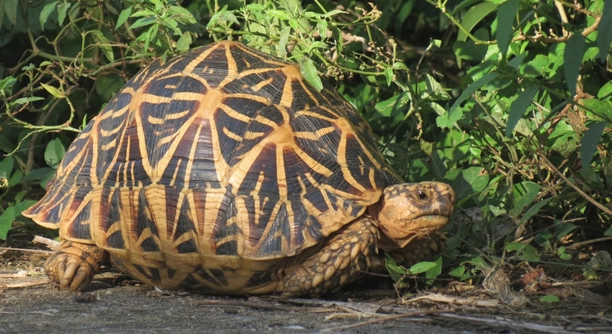
An Indian Star Tortoise is a delightful companion, but it’s essential to ensure it remains in a comfortable environment. Overheating can pose a serious risk to its well-being. Understanding the signs of overheating is crucial for its health.
To identify if your Indian Star Tortoise is overheated, watch for key signs like lethargy, loss of appetite, and excessive panting. These behaviors, combined with an increase in body temperature, can indicate heat stress or overheating.
Recognizing the signs early helps prevent long-term damage and ensures your tortoise remains healthy.
Signs of Overheating in an Indian Star Tortoise
One of the first signs of overheating in an Indian Star Tortoise is when it becomes unusually sluggish. A tortoise that typically moves around actively might show signs of extreme lethargy when it’s too hot. It will avoid moving and often retreat to a cooler spot, attempting to escape the heat. Another noticeable indicator is a lack of interest in food. Overheated tortoises may refuse to eat, which can contribute to dehydration. In some cases, they may breathe more rapidly, or even pant, as they struggle to regulate their body temperature. These changes in behavior are early warning signs that should be addressed immediately to avoid more severe consequences.
If you notice your tortoise displaying any of these signs, it’s time to take action. Hydrating and cooling down your tortoise can help reduce the risk of long-term damage.
A common way to assist your tortoise in cooling down is by providing a shaded, cool environment. You can place it in a cooler area of its enclosure or even move it to a safe outdoor spot with plenty of shade.
Preventing Overheating in the Future
To prevent overheating, adjust the lighting and heating elements in your tortoise’s habitat. Ensure that the basking light is at an appropriate distance to avoid creating too much heat. Temperature fluctuations can also be minimized by providing areas for your tortoise to retreat to when it feels too warm. Make sure the enclosure is large enough for your tortoise to move away from heat sources if needed. This will give it a chance to regulate its temperature naturally.
Maintaining the right humidity levels is equally important. Too much moisture can contribute to heat stress, while too little humidity can cause dehydration. Monitoring and adjusting the climate in your tortoise’s enclosure is essential for ensuring it stays healthy.
With proper adjustments, your Indian Star Tortoise will be able to enjoy a comfortable, safe environment that supports its well-being. A few changes to its habitat can go a long way in preventing overheating and ensuring a longer, healthier life for your tortoise.
Adjusting the Temperature in Your Tortoise’s Habitat
The right temperature is crucial for your Indian Star Tortoise. If the temperature is too high, it can lead to stress and health problems. Ensure the basking area is around 95°F, while the cooler end should be between 75°F and 80°F.
To adjust the temperature, move heat lamps or change the wattage to achieve the desired warmth. A thermometer in different areas of the enclosure will help track temperature variations. Additionally, consider using a thermostat to maintain a steady environment. This will prevent overheating, ensuring a comfortable space for your tortoise to thrive.
If the ambient temperature in your home fluctuates, it might affect your tortoise’s enclosure. If necessary, use a space heater near the enclosure, but never directly in the habitat. This will help maintain stable warmth, especially during colder months. Consistency is key to creating a suitable environment.
Hydration and Its Role in Preventing Overheating
Keeping your tortoise hydrated plays a vital role in regulating its body temperature. Without enough water, it struggles to cool itself down, leading to heat stress. Always provide fresh water in a shallow dish, ensuring your tortoise can easily drink from it.
You can also soak your tortoise in lukewarm water for about 20 minutes once a week. This helps prevent dehydration and promotes proper hydration, which aids in regulating its body temperature. If your tortoise starts to look sluggish or exhibits any signs of overheating, offer it a soak and ensure it has access to fresh water.
By maintaining proper hydration, you’re not only helping your tortoise stay cool but also supporting its overall health. Dehydration can lead to other serious issues, including kidney damage, so regular water access is a must. Always monitor your tortoise’s water intake and make sure it has enough to drink, especially during warmer weather.
Use of Substrate to Help Regulate Temperature
The right substrate can help maintain temperature stability within the tortoise’s habitat. Use materials like coconut coir or cypress mulch, which retain moisture and help keep the temperature consistent. A dry environment can cause temperature fluctuations.
Adding a layer of substrate also provides a more natural environment for your tortoise. It will help regulate the temperature around it, allowing your tortoise to move to areas that are either cooler or warmer depending on its needs. This allows your tortoise to self-regulate its body temperature more effectively.
Monitoring Environmental Changes Regularly
Regularly monitor the temperature and humidity levels in your tortoise’s habitat to prevent overheating. Using both a thermometer and a hygrometer will provide a clear picture of the environment, allowing you to make adjustments quickly.
A consistent check on these elements helps avoid sudden temperature shifts that could stress your tortoise. It’s also helpful to track seasonal changes, as your tortoise’s habitat needs may vary between summer and winter months.
Choosing the Right Lighting for Your Tortoise
Proper lighting is essential for regulating your tortoise’s body temperature. Use UVB bulbs that simulate natural sunlight. These bulbs not only provide the necessary light but also help your tortoise absorb calcium, which is essential for overall health. The light should be positioned properly to avoid overheating.
FAQ
What are the signs that my Indian Star Tortoise is overheating?
Common signs of overheating in an Indian Star Tortoise include excessive lethargy, refusal to eat, and rapid breathing or panting. These behaviors often appear when the temperature in the enclosure is too high, and the tortoise struggles to cool itself down. If you notice these signs, take immediate steps to reduce the heat and provide a cooler environment.
How do I cool my tortoise down if it’s overheated?
If your tortoise is overheated, first remove it from the heat source. Place it in a cooler area with plenty of shade. You can also offer it a lukewarm water soak to help lower its body temperature. Make sure to monitor the temperature closely and ensure that it doesn’t stay too cold for too long, as rapid cooling can cause stress.
Can I use a fan to cool down my tortoise’s habitat?
Using a fan can help, but it’s important to be cautious. Direct airflow may make the environment too dry, which could cause other problems. Instead, try placing the fan near the enclosure to circulate air without directly blowing on your tortoise. This will help maintain proper ventilation without overheating or drying out the habitat.
How often should I monitor my tortoise’s environment?
It’s best to check the temperature and humidity levels daily, especially during warmer weather. Keeping an eye on these factors will help you adjust the environment as needed, preventing overheating and ensuring that your tortoise is comfortable. If you notice any unusual behavior in your tortoise, perform an immediate check on the environmental conditions.
Is it okay to let my tortoise bask in direct sunlight?
Direct sunlight can be beneficial for your tortoise, but it should be carefully monitored. Too much exposure to direct sunlight can cause overheating, so ensure that it has access to a shaded area where it can retreat if it gets too hot. A good balance between sunlight and shade is key.
How do I ensure proper humidity for my tortoise?
Maintaining proper humidity is just as important as temperature control. To ensure your tortoise stays hydrated and comfortable, aim for a humidity level of around 50-60%. You can achieve this by misting the enclosure lightly or using a humidifier. Keep a hygrometer in the enclosure to track the humidity levels and adjust as needed.
What is the ideal temperature range for an Indian Star Tortoise?
The ideal temperature range for your Indian Star Tortoise is between 75°F and 80°F on the cooler side of the habitat and 95°F in the basking area. This temperature difference allows your tortoise to regulate its body temperature effectively by moving between warmer and cooler areas.
Can I leave my tortoise outside during hot weather?
You can allow your tortoise outside, but it’s essential to provide a shaded area and plenty of water. During extremely hot weather, it’s safer to keep your tortoise indoors to prevent it from overheating. Always monitor the outdoor temperature and ensure that your tortoise has a way to cool down if it gets too warm.
What should I do if my tortoise isn’t eating due to heat stress?
If your tortoise stops eating, it’s likely experiencing heat stress. Reduce the temperature in its enclosure immediately. Offer fresh water and a cooler space where it can relax. If the tortoise still refuses to eat after a day or two, consult a veterinarian to rule out any underlying health issues.
How can I prevent overheating in the future?
To prevent overheating, ensure your tortoise’s enclosure has temperature gradients with areas for both warmth and coolness. Avoid placing it in direct sunlight for extended periods, and make adjustments to the heat source based on seasonal temperature changes. Regular monitoring of temperature and humidity will also help you catch any changes before they become problems.
What’s the best way to hydrate my tortoise during hot weather?
Hydrating your tortoise is crucial during hot weather. Ensure there is always fresh water available in a shallow dish. If necessary, you can soak your tortoise in lukewarm water to encourage hydration. Keep an eye on its water intake and monitor for signs of dehydration, especially during the warmer months.
Final Thoughts
Properly managing the temperature of your Indian Star Tortoise’s habitat is essential for its health and well-being. Overheating can cause a range of issues, from lethargy to more serious health concerns. It’s important to regularly monitor the temperature and humidity levels in the enclosure to prevent these problems. Ensuring that your tortoise has access to both warm and cool areas will allow it to regulate its body temperature naturally. Additionally, providing a suitable substrate, proper lighting, and ventilation will contribute to a stable environment that helps maintain the tortoise’s comfort.
Preventing overheating requires attention to detail. Make sure that the basking area is not too hot and that your tortoise has a shaded area to retreat to if needed. If you notice signs of heat stress, such as rapid breathing or refusal to eat, act quickly by moving the tortoise to a cooler space. Cooling the environment and offering water can help alleviate the stress. It’s essential to be vigilant during warmer months, as temperature fluctuations can happen quickly. Regular checks and adjustments to the enclosure’s temperature will go a long way in ensuring your tortoise remains healthy and comfortable.
Incorporating these simple practices into your routine will help maintain a safe, stable environment for your tortoise. The key to a happy, healthy Indian Star Tortoise is keeping its habitat consistent and avoiding extreme temperature changes. By regularly checking on the habitat and making necessary adjustments, you’ll ensure that your tortoise thrives. Taking care of your tortoise’s temperature and overall environment will help it live a long and healthy life.

Hello,
If you enjoy the content that we create, please consider saying a "Thank You!" by leaving a tip.
Every little bit helps us continue crafting quality advice that supports the health, happiness, and well-being of pets around the world, for pets of all shapes, sizes, and species.
We really appreciate the kindness and support that you show us!