
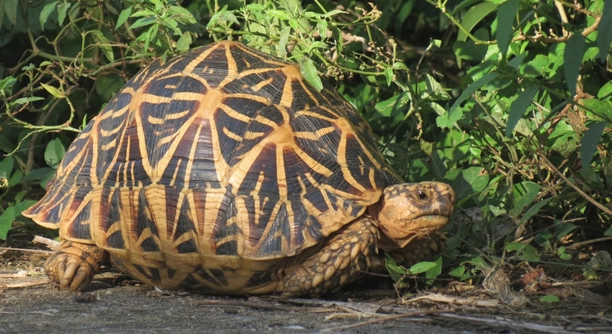
Indian star tortoises are popular pets, known for their gentle nature and unique shell patterns. As a pet owner, providing them with a healthy and balanced diet is essential. Knowing what foods are safe for them is important.
Indian star tortoises can eat broccoli in moderation. Broccoli is safe for them, but it should not be the main part of their diet due to its high calcium-to-phosphorus ratio. Offering a variety of leafy greens is better.
Learning about the right foods for your pet tortoise helps ensure they stay healthy. This guide will explain the best practices for feeding your Indian star tortoise.
Can Broccoli Be Part of Your Tortoise’s Diet?
While broccoli can be a nutritious treat for your Indian star tortoise, it’s important to remember that it should only be offered in moderation. This vegetable is high in calcium, which is good for shell and bone health, but it also contains a significant amount of phosphorus. Too much phosphorus can interfere with calcium absorption, which may lead to health issues in your tortoise. For a balanced diet, mix broccoli with other vegetables that have a lower phosphorus content. Leafy greens like dandelion greens and collard greens should be a staple.
Broccoli can be a tasty addition to your tortoise’s meals but should not be overdone. It’s best to offer it occasionally rather than regularly to maintain a healthy balance.
It’s essential to make sure your tortoise’s diet is diverse. Offering a mix of greens, flowers, and other vegetables will ensure they get the proper nutrition. Over-relying on a single vegetable, like broccoli, could lead to an imbalance in their diet. The variety will also keep them more interested in their meals.
Key Nutritional Considerations
When feeding broccoli, it’s helpful to understand its impact on your tortoise’s health. While it’s high in vitamins A, C, and K, these nutrients should be complemented with other sources. Calcium and phosphorus ratios must be balanced to prevent any harm.
How Much Broccoli Is Safe for Your Tortoise?
When offering broccoli, a small portion once or twice a week is sufficient. Too much can lead to an imbalance in calcium and phosphorus, which is harmful to your tortoise. Aim for small, bite-sized pieces to avoid overfeeding. Moderation is key.
Broccoli is best served alongside other vegetables. Your tortoise will benefit from a variety of greens, such as collard greens, mustard greens, and dandelion greens. Mixing vegetables ensures they get different nutrients without an excess of one particular nutrient. This approach keeps their diet balanced, promoting their overall health.
Feeding your tortoise large amounts of broccoli too often could affect their digestive system and cause nutrient imbalances. Stick to the recommended portion size and make sure to offer other leafy greens. This way, you’ll help your tortoise thrive and prevent any health concerns.
Other Safe Vegetables for Your Tortoise
Aside from broccoli, there are plenty of other vegetables you can offer. Leafy greens like dandelion greens, collard greens, and kale are excellent choices. These vegetables are not only safe but also rich in nutrients, ensuring your tortoise receives a balanced diet. Make sure they are pesticide-free and washed properly.
Avoid starchy vegetables such as potatoes, carrots, and corn. While they aren’t necessarily toxic, they don’t provide much nutritional value for your tortoise. These foods can be hard for them to digest, leading to possible digestive issues. Stick to fresh, dark leafy greens and other nutrient-dense vegetables like bell peppers. These will give your tortoise the vitamins and minerals they need to stay healthy.
Keep in mind that variety is key. Offering a mix of safe vegetables provides the nutrients your tortoise requires and keeps their meals interesting.
How to Prepare Broccoli for Your Tortoise
Before offering broccoli to your tortoise, wash it thoroughly to remove any pesticides or dirt. Cut it into small, manageable pieces that your tortoise can easily eat. Avoid offering raw stalks, as they can be tough and difficult for them to digest.
Preparing the broccoli properly ensures that your tortoise gets the most nutrients from it. It’s best to lightly steam the vegetable if you want to make it easier to chew, but avoid adding any salt or spices. Serve it fresh to maintain the vitamins.
Other Important Foods to Avoid
Some foods, while seemingly healthy, can be harmful to your tortoise. Avoid feeding them high-oxalate foods like spinach or foods that are high in sugar. These can affect their calcium absorption and overall health. Stick to safe vegetables and fruits.
FAQ
Can Indian star tortoises eat broccoli every day?
No, Indian star tortoises should not eat broccoli every day. While it is safe in small amounts, broccoli contains a high ratio of phosphorus to calcium. If fed daily, it could interfere with your tortoise’s calcium absorption, which is essential for their shell and bone health. Instead, broccoli should be offered occasionally, around once or twice a week, and always in moderation. Make sure to provide a variety of other vegetables for a well-rounded diet.
What other vegetables can Indian star tortoises eat?
Indian star tortoises can eat a wide variety of vegetables. Leafy greens like collard greens, dandelion greens, and kale are great options. Other vegetables like zucchini, bell peppers, and squash are also good choices. These vegetables offer necessary vitamins and minerals and are easy for your tortoise to digest. Make sure to rotate the vegetables you offer so your tortoise doesn’t get bored with the same food. This also ensures they get a range of nutrients, supporting their overall health and well-being.
Is broccoli harmful to Indian star tortoises?
Broccoli is not harmful to Indian star tortoises when fed in moderation. It is packed with vitamins such as A, C, and K, which can benefit your tortoise’s health. However, it’s important not to overfeed broccoli as it contains a lot of phosphorus, which can upset the calcium balance in their diet. Over time, this can lead to calcium deficiencies, affecting their shell and bone structure. Feed broccoli sparingly, and make sure it’s only one part of a varied diet.
Can I feed Indian star tortoises fruits like apples or grapes?
Yes, Indian star tortoises can eat fruits like apples and grapes in small amounts. However, fruits should only make up a small part of their diet due to their high sugar content. Fruits are best served as occasional treats, as too much sugar can lead to obesity and digestive issues in tortoises. Always remove seeds from fruits, as they can be harmful to your tortoise. Stick to offering fruits once or twice a week, alongside their regular leafy greens and vegetables.
How often should I feed my Indian star tortoise?
Adult Indian star tortoises typically eat every other day, while younger tortoises may need to eat daily due to their growth needs. The feeding frequency will depend on their age, size, and activity level. A balanced diet of leafy greens, vegetables, and occasional fruits is ideal. You can also provide calcium supplements and a source of UVB light to ensure they get all the nutrients they need. Always remove uneaten food from their enclosure after a few hours to prevent spoilage and bacterial growth.
Can Indian star tortoises eat all types of lettuce?
Not all types of lettuce are safe for Indian star tortoises. Iceberg lettuce should be avoided, as it contains very little nutritional value and can cause diarrhea. Romaine lettuce and other darker, more nutrient-dense lettuce varieties are better options. These types of lettuce contain more vitamins and fiber, which are beneficial to your tortoise’s digestive health. However, lettuce should not make up the majority of your tortoise’s diet. It is best used as a part of a varied selection of leafy greens.
Can Indian star tortoises eat cooked vegetables?
Indian star tortoises can eat cooked vegetables, but they should be served in moderation and without any added salt, butter, or seasoning. Cooking can make some vegetables easier to digest, such as carrots or squash. However, raw vegetables often retain more of their natural nutrients, so a mix of raw and cooked veggies is best. Always make sure any cooked vegetables are cooled down to room temperature before feeding them to avoid burns or discomfort.
Are there any toxic foods for Indian star tortoises?
Yes, there are several toxic foods you should avoid feeding your Indian star tortoise. These include rhubarb, avocado, and onion. Rhubarb contains oxalates, which can interfere with calcium absorption and cause kidney damage. Avocados contain a compound called persin, which is toxic to many reptiles, including tortoises. Onions can cause digestive distress and potentially lead to red blood cell damage. Always research any new food before feeding it to your tortoise and stick to a known safe list of vegetables and fruits.
How can I ensure my Indian star tortoise is getting enough calcium?
To ensure your Indian star tortoise gets enough calcium, you should offer calcium-rich foods like kale, collard greens, and dandelion greens. Additionally, providing a calcium supplement, either in powdered form or through cuttlefish bone, can help maintain healthy calcium levels. It’s also important to ensure your tortoise gets access to UVB light, which aids in the production of vitamin D3, necessary for calcium absorption. Calcium should be part of their regular diet to maintain strong bones and a healthy shell.
What should I do if my tortoise refuses to eat vegetables?
If your tortoise refuses to eat vegetables, it could be due to several factors. Check if the vegetables are fresh and free from pesticides. Sometimes, tortoises can be picky about food, so try offering a different variety or type of vegetable. If your tortoise is not eating for several days, it may indicate an underlying health issue, and you should consult a veterinarian. It’s also a good idea to review their environment to make sure it’s comfortable, as stress or incorrect lighting can lead to loss of appetite.
In conclusion, feeding your Indian star tortoise broccoli is safe, but moderation is key. While this vegetable offers beneficial nutrients such as vitamins A, C, and K, it also contains a high ratio of phosphorus to calcium, which can cause health problems if fed too often. Overfeeding broccoli can lead to an imbalance in your tortoise’s diet, affecting their ability to absorb calcium, which is vital for their shell and bone health. To keep your tortoise healthy, it’s essential to balance broccoli with other vegetables that have a better calcium-to-phosphorus ratio, such as dandelion greens, collard greens, and kale.
A varied diet is important for your tortoise’s long-term health. Offering a range of leafy greens, vegetables, and occasional fruits will help ensure they get all the essential nutrients they need. Avoiding high-oxalate vegetables like spinach and limiting sugary fruits will prevent potential health issues. Always make sure to wash vegetables thoroughly to remove pesticides or harmful chemicals before serving them. In addition to vegetables, you may also want to consider providing calcium supplements or offering cuttlefish bone as a natural source of calcium. Regular access to UVB light is also crucial for proper calcium absorption.
Ultimately, taking the time to learn about your tortoise’s dietary needs and being mindful of portion sizes will help ensure they live a healthy, long life. By feeding them a balanced and varied diet, you’ll provide them with the best care possible. Monitor their health regularly, and don’t hesitate to consult a veterinarian if you notice any changes in their eating habits or overall condition. With the right approach to feeding, your Indian star tortoise can thrive and enjoy a happy, healthy life in your care.

Hello,
If you enjoy the content that we create, please consider saying a "Thank You!" by leaving a tip.
Every little bit helps us continue crafting quality advice that supports the health, happiness, and well-being of pets around the world, for pets of all shapes, sizes, and species.
We really appreciate the kindness and support that you show us!